Top 10 Relief Valve Types You Need for Your Business?
In the world of industrial safety, the importance of a reliable relief valve cannot be overstated. John Smith, a leading expert in pressure management systems, once said, “A high-quality relief valve is essential for protecting both personnel and equipment.” His words resonate through many industries that rely on precise pressure control.
Relief valves are crucial in preventing overpressure situations, safeguarding operations, and ensuring compliance with safety standards. Each type of relief valve serves a specific purpose, whether it’s for liquid, gas, or steam applications. Yet, with so many options available, selecting the right one can be daunting. Companies may overlook vital details, leading to costly mistakes.
In this article, we explore the top 10 relief valve types you need for your business. Understanding these variations will help you make informed decisions. Choosing the right relief valve not only enhances safety but also improves operational efficiency. It's a critical step every business should consider carefully.
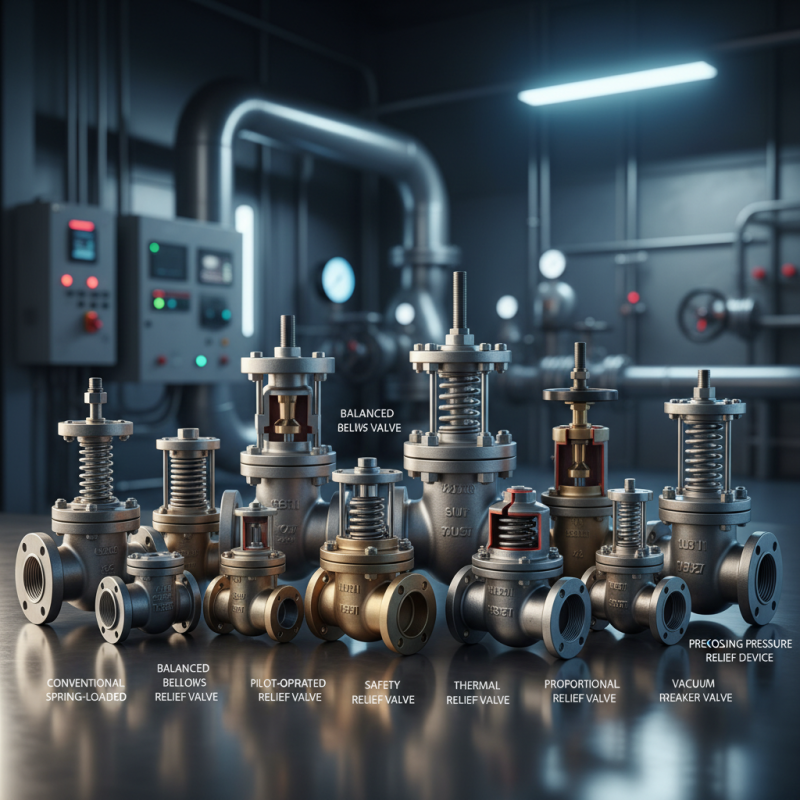
Overview of Relief Valves and Their Importance in Industry
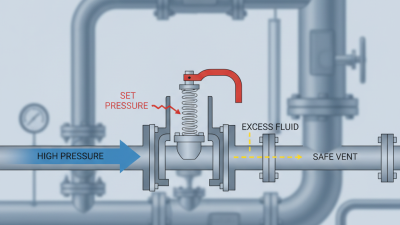
Relief valves play a critical role in maintaining safety and efficiency within industrial systems. They act as safety devices to prevent overpressure conditions, which can lead to catastrophic failures. By allowing excess pressure to escape, relief valves protect equipment and personnel from potential hazards. Understanding the importance of these valves is essential for operations across various industries.
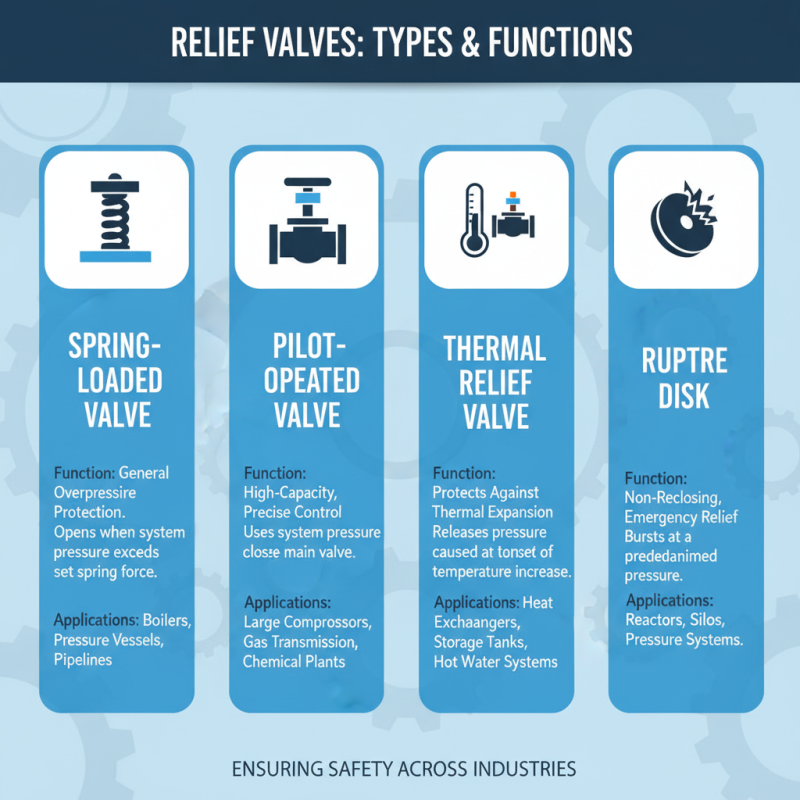
In different applications, relief valves come in various designs and functionalities. Some are spring-loaded, while others use pilot systems. The choice of valve type depends on the specific needs of the process. Regular maintenance and proper installation are key. Neglecting these aspects can lead to failures, resulting in costly downtimes or even accidents. Operators must remain vigilant.
Industries face unique challenges when it comes to pressure management. Users must ensure that the selected relief valve meets the specific conditions of their applications. Misjudgments in selection can result in inadequate protection. Awareness and training can enhance understanding of how these valves function. Careful consideration is necessary to optimize safety and performance.
Top 10 Relief Valve Types You Need for Your Business
The following chart displays the top 10 relief valve types commonly used in industrial applications, showcasing their relative usage based on industry needs.
Common Applications for Relief Valves in Various Sectors
Relief valves play a crucial role in various industries by preventing overpressure situations. In the oil and gas sector, for example, relief valves are vital for safeguarding equipment. Data shows that 30% of industrial accidents are related to pressure relief systems failing to operate properly. These valves ensure that pressure does not exceed safe limits. This is especially crucial when dealing with volatile substances.
In the chemical manufacturing industry, relief valves help in managing the risks associated with exothermic reactions. A report indicates that improper valve selection can lead to catastrophic failures. For instance, in a chemical plant, a relief valve malfunction can escalate to explosions or toxic leaks. Regular maintenance and testing are essential. Many plants report that only 60% of their relief valves are regularly checked.
Moreover, the pharmaceutical industry relies heavily on relief valves for maintaining sterile environments. A consistent pressure allows for better control over the manufacturing process. Surveys reveal that 70% of pharmaceutical companies have experienced pressure-related issues. Investing in reliable relief valve types is crucial. Yet, the challenge lies in selecting the appropriate type for specific applications. Each sector has unique demands, and understanding these can make a significant difference in safety and efficiency.
Different Types of Relief Valves and Their Specific Functions
Relief valves play a crucial role in various industries. They ensure safety by preventing overpressure in systems. Understanding different types of relief valves is essential. Each type has its specific function, tailored to different applications.
Pressure relief valves automatically release excess pressure. They are vital in many industrial processes. These valves can operate with gases or liquids. Safety relief valves, on the other hand, are designed for specific safety requirements. They protect vessels by releasing pressure actively.
Tips: Regular maintenance can enhance valve performance. Check for leaks and ensure proper sealing. A well-maintained valve reduces the risk of failures.
Another type is the vacuum relief valve. It prevents negative pressure conditions. This is essential for tanks that store liquids. Without it, structural damage can occur.
Tips: Always assess the environment where the valve is installed. Corrosive substances can affect longevity. Evaluate material compatibility carefully.
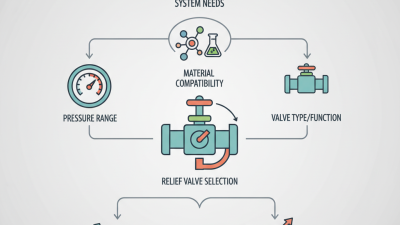
In the selection process, reflect on your system's specific needs. Each application may require a unique valve. Understand the limitations of each type. Sometimes, multiple valves are needed for comprehensive safety.
Factors to Consider When Selecting Relief Valves for Your Business
When selecting relief valves for your business, several factors merit careful consideration. One crucial aspect is the pressure rating. According to the American Society of Mechanical Engineers (ASME), factors such as the system's operating pressure and the expected pressure fluctuations play a vital role. Relief valves must be capable of handling the maximum anticipated pressure. Neglecting this could result in valve failure and unwanted downtime, which is costly.
Another significant factor is the media type. Valves should be compatible with the fluids they control. Non-corrosive and corrosive substances require different materials. The International Society of Automation (ISA) reports that improper material selection can lead to increased wear and eventual leaks. Therefore, identifying the media's chemical properties is essential for long-term reliability.
It's also wise to evaluate the installation environment. For example, high-temperature or high-vibration areas may call for specialized designs. According to a recent study by the Global Fluid Power Society, roughly 15% of system failures are related to environmental factors. This highlights the importance of thoughtful valve design and placement. These choices, while often overlooked, can make a critical difference in operational efficiency and safety.
Best Practices for Maintaining and Inspecting Relief Valves
Relief valves play a crucial role in maintaining system integrity by preventing overpressure situations. Regular inspection and maintenance are vital for their optimal performance. According to industry data, nearly 10% of relief valve failures occur due to inadequate maintenance practices. This emphasizes the importance of adhering to strict protocols.
Tip: Always keep detailed records of inspections and maintenance activities. It helps track the valve's performance trends over time. Consider using condition monitoring tools to assess valve functionality continuously. This proactive approach can prevent costly downtime.
During inspections, look for signs of corrosion or wear. Even minor defects can lead to significant failures. Industry reports suggest that over 70% of incidents are attributed to unnoticed wear and tear. Regular testing is necessary to ensure that the valves open at the correct pressure. It might be tempting to skip tests, but inconsistency can turn small problems into major hazards.
Tip: Schedule inspections based on manufacturer guidelines but adjust for your specific operating conditions. This tailored approach improves reliability. Safety should always come first; prioritize issues when anomalies are detected.