How to Choose the Right Relief Valve for Your Needs?
Choosing the right relief valve is crucial for various industrial applications. A relief valve helps prevent excessive pressure in systems. It protects equipment and ensures safety. With many options on the market, it can be overwhelming.
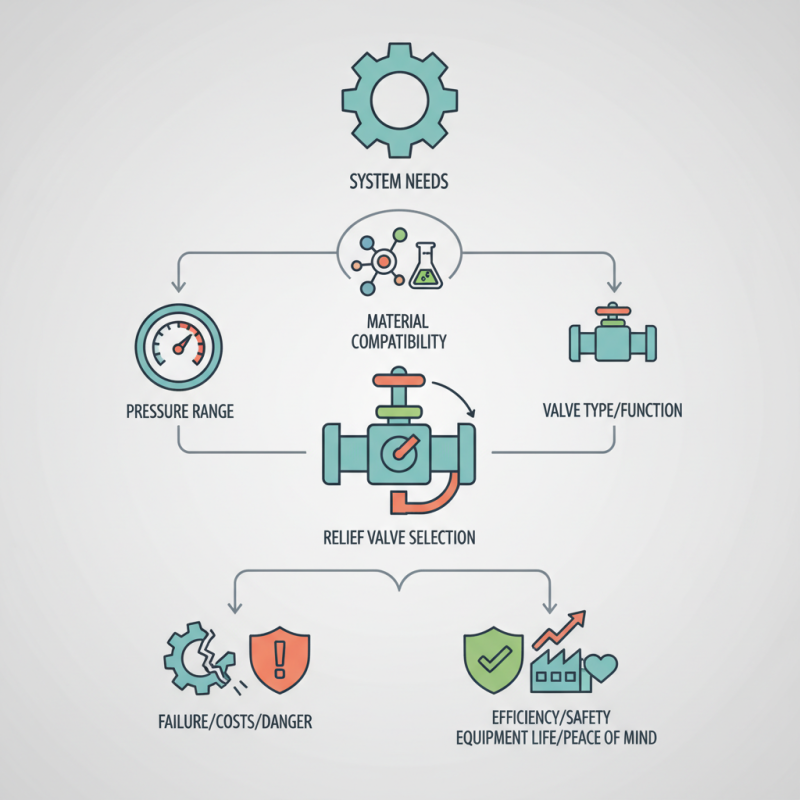
Consider the specific needs of your system. Different types of relief valves serve different functions. The right valve can improve efficiency. However, choosing incorrectly can lead to failures. This can be costly and dangerous.
Take the time to evaluate your requirements. Factors like pressure range and material compatibility matter greatly. A reliable relief valve provides peace of mind. It safeguards your processes and prolongs equipment life. Reflecting on your choice is essential for success.
Understanding the Basics of Relief Valves and Their Applications
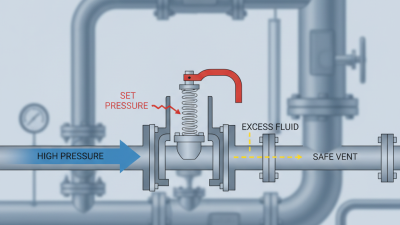
Relief valves are critical in various industries, regulating pressure and ensuring safety. Understanding how they function is essential for any application. These valves help prevent equipment damage by discharging excess pressure. When pressure builds up beyond a specific threshold, the valve opens. It releases the pressure, thus protecting the system. Common applications include boilers, gas systems, and hydraulic systems.
Choosing the right relief valve requires knowledge of your system's specific needs. Different types of relief valves exist for diverse applications. For example, spring-loaded valves are popular for their reliability. However, they may not be suitable for every situation. Some industries might prefer pilot-operated valves for their precise control under varying conditions.
Each application brings unique challenges. An improperly selected valve can lead to operational issues. It may not respond effectively to pressure fluctuations. Therefore, consult with professionals who understand these devices. Having experience and expertise when selecting a valve is crucial. Gathering advice can offer insights that improve your decision-making process.
Relief Valve Selection Criteria
Identifying Your System Requirements: Pressure and Flow Considerations
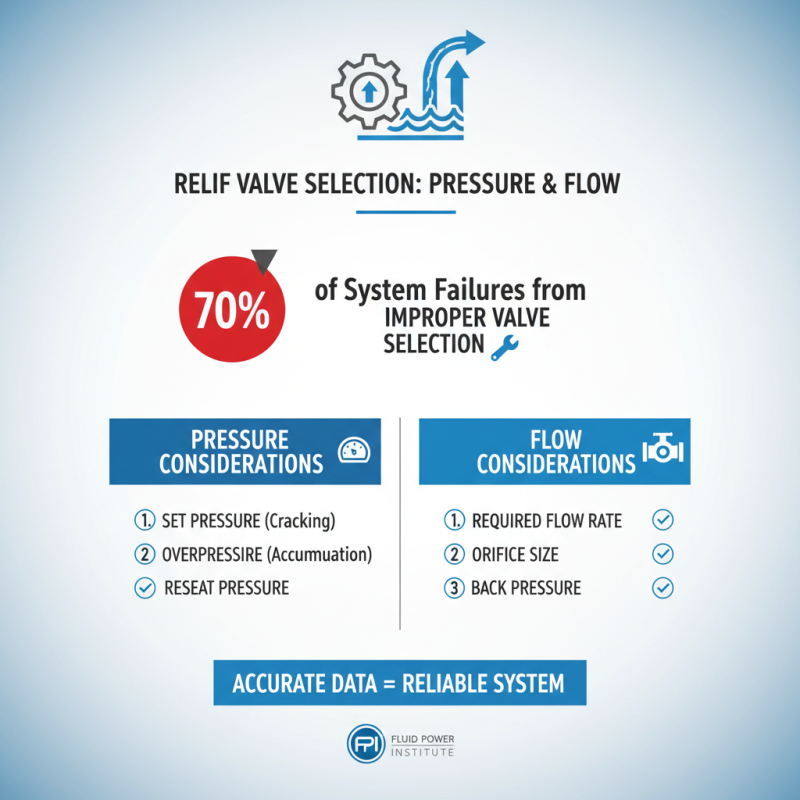
Choosing the right relief valve requires careful consideration of pressure and flow requirements. Understanding your system's specifications helps identify the best options. A report by the Fluid Power Institute reveals that nearly 70% of system failures stem from improper valve selection. Accurate data can prevent costly downtime.
Begin by measuring your system's operating pressure. Most relief valves function effectively within a specific pressure range. If your pressure exceeds this limit, the valve may fail, risking damage. According to engineering studies, maintaining flow rates close to the valve's design specifications is crucial. For instance, a valve should handle peak flows without becoming overwhelmed.
Flow considerations also play a significant role. A mismatch in flow can result in turbulence, leading to performance issues. Studies indicate that over 50% of engineers overlook the importance of these calculations. Use a flow meter to determine your system's exact requirements. Choosing the appropriate valve involves balancing potential risks. Understanding these factors enhances system reliability and efficiency in the long run.
Evaluating Materials and Compatibility for Your Relief Valve Selection
When selecting a relief valve, material compatibility is crucial. Incompatible materials can lead to leaks or failures. For example, a valve made from aluminum might corrode when in contact with certain acids. Understanding the specific environment in which the valve operates is essential. It’s not just about the liquid or gas; it's about temperature extremes and exposure to chemicals.
Consider the common materials used in relief valves. Stainless steel is often chosen for its durability. However, it may not always be the best choice in environments with strong chlorides. Plastic might be lighter and less expensive, but it can have limitations under high pressure. Every application has unique demands. Evaluating the setting can help in making the right choice.
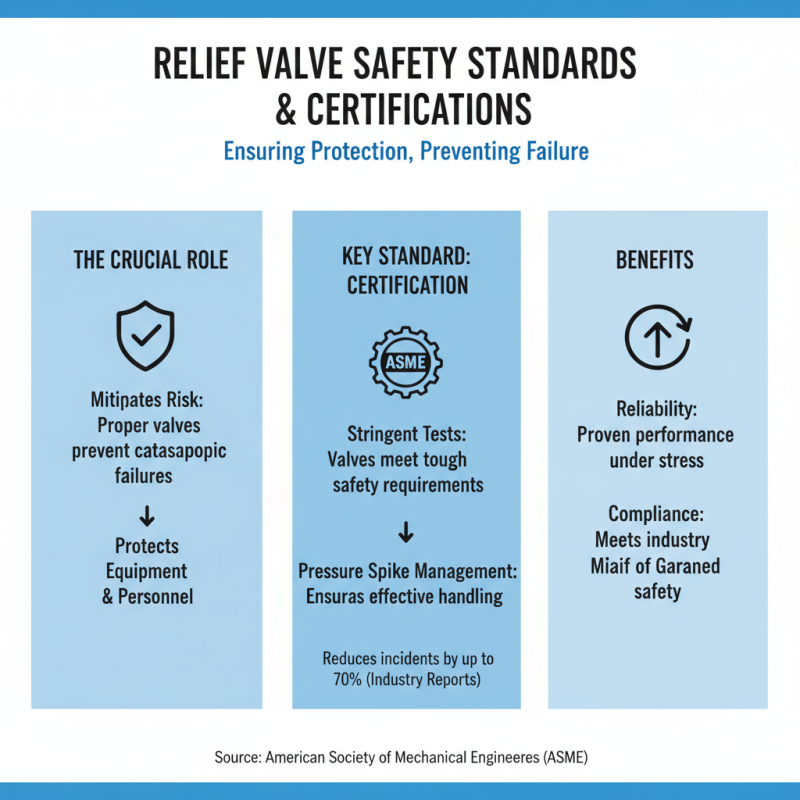
Be aware of the certifications relevant to materials. Certain industries require strict adherence to standards. It is wise to consult technical sheets and seek expert advice. This process can feel overwhelming. Balancing performance with compatibility requires consideration and occasionally trial and error. Engaging with professionals can save time and prevent future issues.
How to Choose the Right Relief Valve for Your Needs? - Evaluating Materials and Compatibility for Your Relief Valve Selection
| Material |
Temperature Range (°F) |
Pressure Range (psi) |
Compatibility with Fluids |
Typical Applications |
| Stainless Steel |
-425 to 1500 |
0 to 3000 |
Water, Oil, Chemicals |
Oil & Gas, Chemical Processing |
| Brass |
-40 to 300 |
0 to 250 |
Water, Air, Fuel |
Plumbing, HVAC |
| Plastic |
-40 to 180 |
0 to 150 |
Water, Mild Chemicals |
Water Treatment, Pools |
| Cast Iron |
-20 to 500 |
0 to 400 |
Water, Steam |
Industrial Applications |
| Alloy Steel |
-50 to 1200 |
0 to 5000 |
Hydrocarbons, High-Temperature Liquids |
Oil & Gas, Power Generation |
Making the Final Choice: Cost, Maintenance, and Reliability Factors
Choosing the right relief valve involves critical factors such as cost, maintenance, and reliability. According to a recent industry report, nearly 40% of companies experience unexpected costs due to improper valve selection. These hidden expenses can significantly impact your budget. A well-designed valve can reduce operating costs and minimize downtime, so be sure to factor this into your choice.
Maintenance is another pivotal consideration. Regular maintenance ensures optimal performance. However, nearly 30% of facilities report that maintenance costs consume a large portion of their operational budget. By selecting a reliable relief valve, you can reduce maintenance frequency and enhance safety. Some valves require specialized training for upkeep, which adds to overall costs. Understanding the maintenance demands upfront can help avoid future complications.
Finally, reliability cannot be overstated. A valve’s reliability directly affects system safety and efficiency. Industry data suggests that up to 50% of failed systems can trace issues back to valve malfunction. Ensuring you select a valve with a proven track record is essential. Balancing reliability, cost, and maintenance requirements may take time and thought. Reflect on your specific needs and operational challenges before making a choice.