How to Choose the Right Pressure Washer Pump

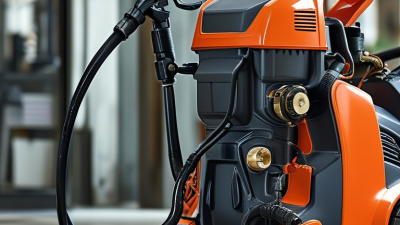
Choosing the right pressure washer pump affects cleaning power, equipment life, and daily operating costs. A pump is not merely a replacement part. It controls water flow, pressure stability, and how efficiently your machine performs on concrete, vehicles, decks, and siding.

Start with the washer’s pressure rating and gallons-per-minute requirement. A pump rated for 3,000 PSI may fail if the engine produces more pressure than its specifications allow. The same problem occurs when the pump cannot supply enough water. Check the engine shaft size, mounting pattern, inlet connection, and drive system before comparing brands. Small differences matter.

Think about your actual work.

A homeowner cleaning patios may need a different pump than a contractor working for several hours each day. Axial cam pumps often suit light or moderate use because they cost less and remain compact. Triplex plunger pumps usually provide better durability, smoother performance, and easier servicing. However, a premium pump is not automatically the best choice. It may add unnecessary weight and expense to a simple cleaning routine.

Material quality also deserves attention. Brass heads, ceramic plungers, sealed bearings, and replaceable valves can support longer service life. Still, product descriptions sometimes hide important limitations. Review manufacturer specifications, warranty terms, maintenance requirements, and verified user experiences. If the pump’s capacity is unclear, pause before purchasing. Measure twice.

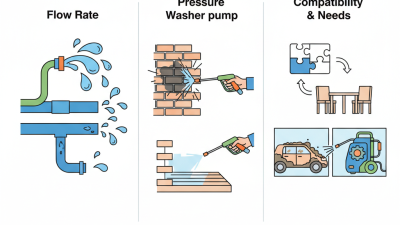
This guide explains how to match pump type, pressure, flow rate, compatibility, and expected workload. It also highlights common selection mistakes, because choosing by price alone can create costly repairs later. A careful decision begins with honest assessment, not impressive numbers.
How to Choose the Right Pressure Washer Pump

Define the Pressure Washer Pump’s Role and Main Types

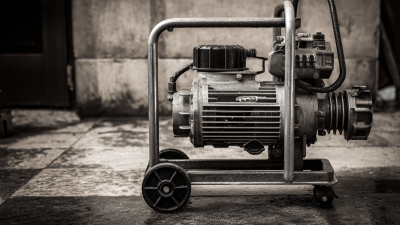
A pressure washer pump converts mechanical energy into pressurized water flow. The motor or engine supplies the rotation, while the pump determines how steadily water reaches the spray nozzle. Pressure is measured in PSI, and flow is measured in GPM. Both values matter. High pressure with weak flow can feel sharp but slow on large surfaces.

The main pump types include axial cam, wobble plate, and triplex plunger designs. Axial cam pumps are compact and common in light or medium-duty machines. They usually cost less, but their service life may shorten under frequent, demanding use. Wobble plate pumps suit occasional cleaning and simple equipment. Their lower complexity is useful, though performance can fade sooner than expected. Triplex plunger pumps use three plungers and typically support longer duty cycles, higher temperatures, and professional workloads. They also require better maintenance and usually cost more.

From hands-on inspection, inlet filtration is easy to overlook. A small piece of grit can damage valves and seals. Check the pump’s rated PSI, GPM, water temperature, duty cycle, and replacement-parts availability before choosing. An unloader valve helps control pressure when the trigger is released. Still, it cannot correct an undersized pump. I once selected a pump by PSI alone; the cleaning speed disappointed me. The lesson was simple: match the pump to the job, water supply, and expected working hours.

Match Pump Specifications to Cleaning Pressure and Water Flow

Choosing the right pressure washer pump starts with matching two specifications: pressure and water flow. Pressure is measured in PSI, while flow is measured in GPM. PSI helps remove stubborn dirt from hard surfaces. GPM carries that dirt away and controls cleaning speed. A pump with high PSI but low flow may feel powerful, yet it can clean slowly. An oversized pump may also waste water and strain the engine.

Think about the surface before selecting the pump. Concrete driveways often need stronger pressure and steady flow. Painted wood, vehicles, and delicate masonry require lower pressure and careful control. In my experience, many cleaning problems come from choosing pressure alone. I once focused on PSI and underestimated water demand. The machine worked, but the rinse stage took too long. That mistake changed how I compare pump specifications.

Tips: Check the washer’s rated PSI and GPM, not only its maximum figures. Calculate cleaning power by multiplying PSI by GPM. For example, 2,000 PSI at 2.5 GPM produces 5,000 cleaning units. Confirm that the pump matches the motor, hose, fittings, and water supply. The inlet should provide enough water without surging or air entering the system. A pressure regulator can help protect sensitive surfaces. Also, leave a safety margin instead of operating at the pump’s limit. Specifications can look perfect on paper. Real cleaning conditions may prove otherwise.

Choose a Pump Material for Durability and Maintenance Needs

When choosing a pressure washer pump, material affects service life, repair cost, and daily reliability. Brass pump heads usually offer strong corrosion resistance and tolerate frequent pressure changes. They suit contractors who run equipment for several hours weekly. Aluminum is lighter and often less expensive, but it can suffer faster wear with abrasive water or poor maintenance. Composite materials reduce weight further. However, some cannot be rebuilt easily.

Water quality matters more than many buyers expect. Hard water leaves mineral scale around valves and seals. Salty water can accelerate corrosion. The U.S. Department of Energy’s Improving Pumping System Performance sourcebook reports that pumping systems may consume 25–50% of industrial electricity. A pressure washer uses less power, but inefficient pumping still increases operating cost. Material choice supports efficiency when it preserves stable pressure and reduces internal friction.

Tips: Match the pump to your water conditions and workload. Choose brass for demanding, repairable equipment. Consider aluminum for occasional residential cleaning. Use filtered water when possible, flush the pump after use, and follow the manufacturer’s oil schedule. The Hydraulic Institute emphasizes correct pump selection, maintenance, and operating conditions as key factors in pump reliability. That guidance is useful, but it does not replace field inspection. I have seen durable pumps fail early because owners ignored inlet restrictions. Material alone is not a guarantee.

How to Choose the Right Pressure Washer Pump: Pump Material for Durability and Maintenance

Relative ratings from 1 (low) to 5 (high), based on common engineering characteristics of pressure-washer pump materials.

Stainless steel offers the strongest overall resistance to corrosion and wear, making it suitable for frequent or demanding use. Brass provides excellent corrosion resistance and is relatively easy to maintain, while aluminum keeps pump weight low but generally requires more care in abrasive or highly corrosive conditions. Composite materials are lightweight and corrosion-resistant, but their wear resistance can vary by formulation and operating temperature.

Check Power Source, Compatibility, and Installation Requirements

How to Choose the Right Pressure Washer Pump

Start by matching the pump to your power source. An electric motor needs the correct voltage, current, and motor speed. A gasoline engine requires enough horsepower to maintain the pump’s rated pressure and flow. Check the machine’s nameplate, not only the advertised PSI. GPM matters too. A pump with excessive flow may overload the motor or engine. A weak power source can cause overheating and unstable performance.

Compatibility also depends on physical details. Confirm the shaft diameter, mounting pattern, rotation direction, inlet size, and outlet connection. The pump must match the unloader valve and pressure hose. Installation needs a clean water supply, secure fittings, and proper priming before operation. Never run a dry pump. I once overlooked shaft alignment, and vibration appeared immediately. It was a small mistake with an expensive lesson. Leave space around the pump for cooling and maintenance.

Tips: Measure twice. Compare every specification. Inspect seals and fittings before starting. Install a thermal relief valve when the system requires one. Follow the pump’s technical manual, even when the replacement looks identical. If the pressure drops after installation, stop and check the inlet filter, air leaks, and rotation direction. A careful test with clear water is safer than guessing.

Compare Cost, Service Life, and Replacement Options

How to Choose the Right Pressure Washer Pump

The best pump balances purchase cost, service life, and replacement choices. A low-cost pump may suit occasional driveway cleaning. It can become expensive when used every weekend. For light household work, an axial cam pump often provides practical value. A triplex plunger pump usually costs more but handles longer duty cycles and higher pressures.

Service life depends on more than the pump itself. Clean inlet water, correct oil levels, and a working unloader valve reduce internal stress. Never run the pump dry. That mistake can damage seals within minutes. In my experience, poor winter storage causes more failures than normal wear. Draining trapped water and protecting the pump from freezing takes little time. I sometimes skipped this step. That was not a smart saving.

Replacement options should match the washer’s pressure, flow rate, shaft size, and mounting pattern. A seal kit may solve a small leak, while worn plungers or cracked manifolds usually justify a complete replacement. A replacement pump may cost less than rebuilding an older unit, especially when labor is included. However, a cheaper unit can create compatibility problems. Check the technical data before ordering. Keep the original fittings and measure the shaft carefully. One millimeter matters. A serviceable pump also needs accessible parts, clear maintenance instructions, and repair support. Paying slightly more for those details can extend useful life and reduce downtime.

How to Choose the Right Pressure Washer Pump - Compare Cost, Service Life, and Replacement Options

Pump Type Typical Pressure & Flow Typical Purchase Cost Expected Service Life Best Application Main Advantages Common Limitations Replacement Options
Axial Cam Pump 2,000–4,000 PSI
2.0–4.0 GPM
Approximately $60–$180 About 250–500 operating hours with proper care Residential cleaning and occasional light commercial work Low initial cost, compact design, easy installation, widely available Limited repairability, higher vibration, shorter life under continuous use Direct-fit axial replacement or a complete pump-and-drive assembly
Triplex Plunger Pump 2,000–5,000 PSI
2.5–8.0 GPM
Approximately $150–$500 About 1,000–3,000 operating hours with scheduled maintenance Frequent commercial cleaning and contractor equipment Efficient, serviceable, smoother output, replaceable wear components Higher upfront cost, heavier construction, requires oil and seal maintenance Complete replacement pump, valve-and-seal kit, plunger kit, or crankcase assembly
Heavy-Duty Triplex Pump 3,000–5,000 PSI
4.0–10.0 GPM
Approximately $350–$1,000+ About 2,000–5,000 operating hours when correctly sized and maintained Daily industrial, agricultural, fleet, and surface-preparation cleaning Long service life, strong continuous-duty performance, excellent repairability Highest purchase price, greater installation effort, needs reliable water supply Complete pump replacement, rebuild kit, packing set, valves, plungers, or bearing components
Belt-Drive Triplex Pump 2,500–5,000 PSI
3.0–10.0 GPM
Approximately $400–$1,200+ for the pump and drive components About 2,000–5,000 operating hours; belts require periodic replacement Long-duration commercial and industrial cleaning Lower vibration, reduced heat transfer, flexible engine-and-pump matching Larger footprint, belt alignment requirements, additional maintenance points Pump-only replacement, belt-and-pulley service, or complete drive-system replacement
Direct-Drive Pump 2,000–4,000 PSI
2.0–5.0 GPM
Approximately $100–$450 About 500–1,500 operating hours, depending on duty cycle and cooling Portable electric or gasoline-powered machines used for intermittent work Simple power transmission, compact layout, fewer drive components More vibration and heat, less suitable for extended continuous operation Shaft-compatible pump, adapter-mounted replacement, or complete pump assembly
Electric Motor Pump 1,200–3,000 PSI
1.5–5.0 GPM
Approximately $120–$600 About 500–2,000 operating hours, influenced by motor cooling and water quality Indoor maintenance, workshops, vehicle washing, and light commercial cleaning Quiet operation, no fuel emissions at the point of use, easy starting Requires suitable electrical supply, lower portability, sensitive to voltage problems Pump-only replacement, motor-and-pump module, or capacitor and seal service where supported
Selection note: Cost and service-life figures are typical non-branded market ranges in U.S. dollars. Actual results depend on pressure, flow rate, duty cycle, water quality, inlet supply, maintenance, storage, and correct pump-to-engine or motor matching. Always verify shaft size, mounting pattern, rotation, rated PSI, rated GPM, maximum temperature, and power requirements before purchasing a replacement.