Top Quality Ball Valves for Global Buyers in China?
In recent years, the demand for ball valves has surged globally. According to a report by Market Research Future, the ball valve market is projected to reach $10.84 billion by 2027, expanding at a CAGR of 5.12%. This growth reflects the critical role of ball valves in various industries, such as oil and gas, water treatment, and chemicals.
China is a key player in the ball valve supply chain, providing high-quality products to international markets. Chinese manufacturers boast advanced technology and high production standards. However, potential buyers must navigate the complexities of choosing reputable suppliers. Not all manufacturers adhere to the same quality controls, which can lead to significant discrepancies in product performance.
While many Chinese companies offer cost-effective solutions, quality should not be compromised. A thorough evaluation of potential suppliers is crucial. Product audits and third-party inspections play a vital role in ensuring the integrity and reliability of ball valves. Investing time in this process pays off in the long run, safeguarding against failures that could lead to costly downtime.
Understanding Ball Valves: Types and Functions
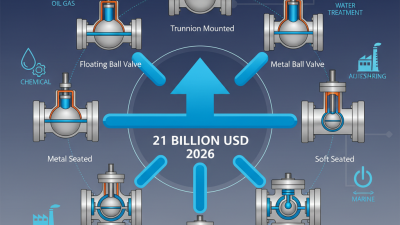
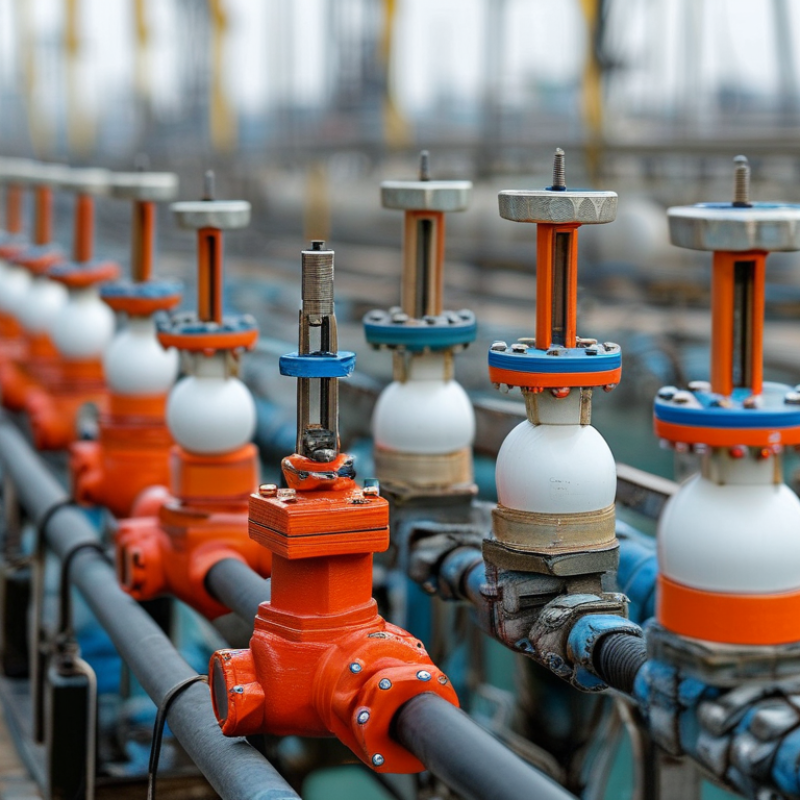
Ball valves are essential components in fluid control systems. They come in various types and serve distinct functions. The primary types include two-way, three-way, and multi-port ball valves. Two-way valves control the flow of liquid in one direction, while three-way valves can direct flow in multiple directions. Multi-port valves allow for complex flow paths, providing flexibility in fluid management.
According to a report by ResearchAndMarkets, the global ball valve market is projected to grow at a CAGR of over 7% from 2021 to 2026. This growth highlights the increasing demand for efficient flow control solutions across industries such as oil and gas, water treatment, and power generation. Understanding the different functionalities of these valves is crucial for selecting the appropriate type for specific applications.
When choosing a ball valve, consider the materials used. Stainless steel, for instance, is highly resistant to corrosion. However, it may not be the best option in highly acidic environments. Additionally, pay attention to the valve's size and pressure rating to ensure compatibility with your system. A poor selection can lead to leakage issues and system failures. Monitor trends in material technology to improve performance and reliability.
Key Materials Used in High-Quality Ball Valves
Ball valves are essential in various industries, ensuring efficient fluid control. The quality of these valves is largely determined by the materials used in their construction. Typically, high-quality ball valves are made from stainless steel, which offers excellent corrosion resistance and durability. This material withstands extreme temperatures and pressures, making it a top choice for critical applications.
Another key material is brass, known for its strength and versatility. Brass ball valves are often used in plumbing and HVAC systems. They handle both liquid and gas flow effectively. The machining process of brass also allows for precise manufacturing, ensuring reliability.
However, not all materials perform equally well in every setting. For instance, while plastic valves might be lightweight and cost-effective, they may not endure harsh conditions. Choosing the right material requires careful consideration of the operating environment. Collecting data on valve performance can help in making more informed decisions, even if there are still uncertainties about long-term durability.
Manufacturing Standards for Ball Valves in China
When examining the manufacturing standards for ball valves in China, several key aspects stand out. Quality assurance is paramount. Most manufacturers comply with international standards like ISO 9001. Compliance ensures consistency in production. A report from the China Valve Industry Association indicated that approximately 70% of manufacturers maintain these standards. This shows a strong focus on quality management.
Material selection is crucial. Stainless steel remains the dominant choice due to its durability and resistance to corrosion. According to a recent market analysis, the use of carbon steel in ball valves is on the rise, driven by cost considerations. However, this shift raises concerns about longevity and performance. Industry experts warn that some manufacturers may cut corners by using lower-grade materials. Careful scrutiny is essential for buyers.
Testing procedures also play a role. Manufacturers conduct pressure tests to verify performance. Yet, the reliability of these tests can vary. Anecdotal evidence suggests that not all products undergo rigorous final inspections. As a result, buyers are encouraged to request detailed inspection reports. This level of scrutiny helps ensure that the products meet necessary safety and quality standards.
Top Quality Ball Valves for Global Buyers in China
| Valve Type |
Material |
Size (inches) |
Connection Type |
Pressure Rating (PSI) |
Standards Compliance |
| Floating Ball Valve |
Stainless Steel |
1/2 |
Threaded |
150 |
ANSI/ASME B16.34 |
| Trunnion Ball Valve |
Carbon Steel |
2 |
Flanged |
300 |
API 6D |
| Full Bore Ball Valve |
Brass |
3/4 |
Socket Weld |
600 |
ISO 5211 |
| Reduced Bore Ball Valve |
PVC |
1 |
Threaded |
150 |
ASTM D2467 |
| Cryogenic Ball Valve |
Stainless Steel |
1.5 |
Flanged |
600 |
BS 6364 |
Top Chinese Manufacturers of Ball Valves for Global Markets
China has emerged as a leading hub for ball valve manufacturing, catering to global buyers with diverse needs. The country boasts an extensive network of manufacturers who specialize in different types of ball valves. Many of these companies focus on both quality and affordability, meeting international standards while remaining competitive in pricing.
Among the top manufacturers, there are a few that stand out due to their advanced technologies and skilled workforce. These manufacturers often emphasize their production processes, ensuring durability and reliability in their products. However, the competition is fierce, and some companies may struggle with consistency in quality. Buyers need to conduct thorough due diligence when selecting suppliers to avoid potential pitfalls.
The ball valve market in China is dynamic, with innovations constantly emerging. Some manufacturers are venturing into eco-friendly materials, addressing growing environmental concerns. Yet, challenges remain in keeping up with global standards. Buyers are encouraged to consider this complexity and actively engage with manufacturers. Understanding the local market nuances can help ensure that the chosen products meet specific requirements.
Factors Influencing the Selection of Ball Valves for Buyers
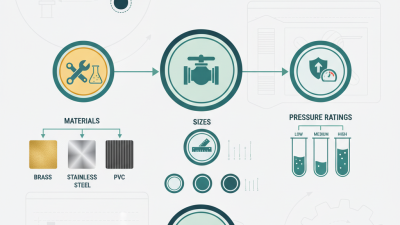
When selecting ball valves, buyers face multiple factors affecting their decisions. The material of the valve is crucial. Common options include stainless steel, brass, and PVC. Each material has unique properties. Stainless steel is often preferred for its durability and resistance to corrosion. In contrast, PVC is lightweight and cost-effective for less demanding applications.
Another important consideration is the valve's size and pressure rating. Statistical data shows that 70% of valve failures stem from improper sizing. Buyers should carefully evaluate their system requirements. Incorrect pressure ratings can lead to leaks or catastrophic failures. Quality control and compliance with international standards are also vital.
Buyers should also take maintenance needs into account. Some valves require more frequent checks and servicing. This can lead to increased operational costs. Analyzing the total lifecycle cost of the valve can provide valuable insights. It helps buyers make informed choices. Ultimately, balancing these factors is key to ensuring reliability and performance in their applications.