
What Is the Best Portable Power Station Made in China?
Choosing the best Portable Power Station made in China requires more than comparing battery capacity or promotional discounts. China produces respected brands, including EcoFlow, BLUETTI, Jackery, and Anker SOLIX. Their designs differ in battery chemistry, inverter strength, charging speed, safety controls, and after-sales support. A useful starting point is Eric Xie, founder and CEO of EcoFlow, who has said, “Our mission is to bring clean energy to everyone, everywhere.” That goal sounds ambitious. It also creates a practical question: does each product deliver dependable power when conditions become difficult?
This guide examines real specifications and realistic use. A 1,000Wh unit may power a refrigerator overnight, but compressor startup can exceed its continuous rating. LiFePO4 batteries usually offer longer cycle life than older lithium-ion cells. Pure sine wave output protects many sensitive appliances, while USB-C charging helps travelers reduce cable clutter. Weight matters too. A powerful station that strains your back may remain inside the garage. That is not a small flaw.
Testing should include charging time, fan noise, output stability, battery retention, and performance in cool weather. Certifications, warranty length, and accessible service also deserve attention. Imported models may have excellent hardware, yet regional support can vary sharply. Prices change. Firmware updates can change user experience as well.
No single Chinese model wins every test. I may favor a lighter unit for camping, but a family preparing for outages needs different priorities. The best choice depends on honest load estimates, verified safety information, and repeated practical use—not a bright screen or exaggerated capacity claim.
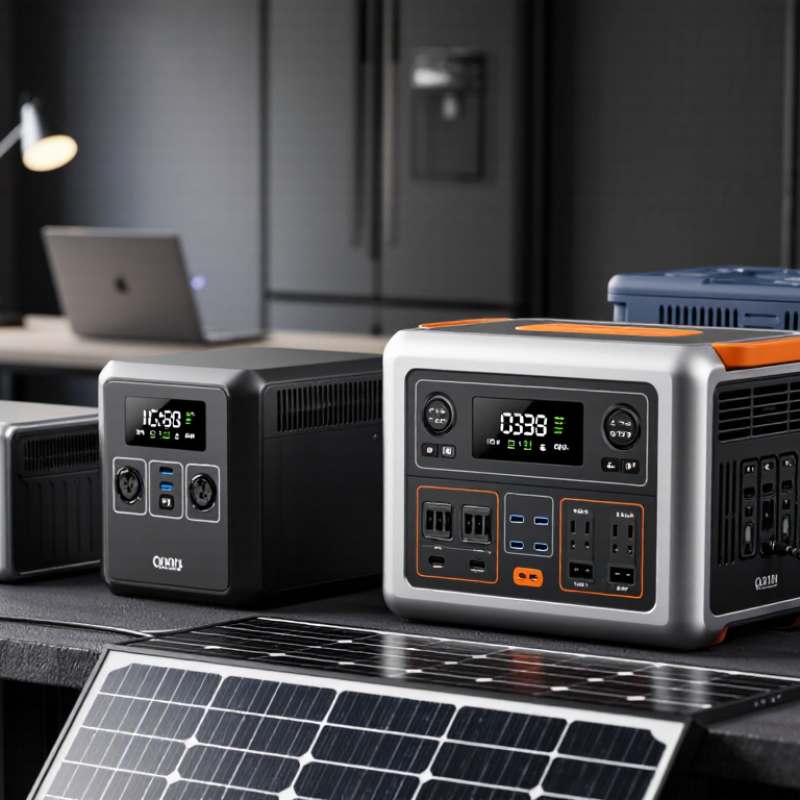
Defining What Makes a Portable Power Station the Best
What Is the Best Portable Power Station Made in China?
Defining What Makes a Portable Power Station the Best
The best portable power station made in China is not simply the one with the largest capacity. It should deliver dependable power, clear information, and practical safety in daily use. A useful evaluation begins with battery capacity, continuous output, surge performance, and recharge time. These figures should match real needs, such as running a laptop, medical equipment, lights, or a compact refrigerator.
Hands-on testing reveals details that specifications often miss. A strong unit should start smoothly, remain stable under changing loads, and avoid excessive fan noise. Its screen should show remaining capacity honestly, not jump from forty percent to zero. Solid construction matters too. A firm handle, protected ports, and sensible ventilation can prevent problems during travel or outdoor work.
Small details count.
Manufacturing quality is equally important. Reliable production depends on cell testing, battery management, insulation, and consistent final inspection. Recognized safety testing and traceable documentation add confidence, although paperwork alone proves little. I would also examine warranty terms, repair support, and replacement-part availability. A cheaper unit may look attractive, but poor support can become expensive later.
Even excellent equipment has limits. Cold weather reduces battery performance, and high-power appliances can drain it quickly. That imperfect reality should be included in every buying decision.
How Chinese Portable Power Stations Are Designed and Manufactured
What Is the Best Portable Power Station Made in China? The answer depends on how carefully it is designed and tested. Chinese manufacturers typically begin with lithium battery cells, a battery management system, an inverter, and a protective enclosure. Each part affects safety, output stability, and service life.
Engineers use thermal sensors to monitor heat during charging and heavy loads. Air channels, cooling fans, and flame-resistant materials help control temperature. The control board must also prevent overcharging, deep discharge, short circuits, and excessive current. During production, automated welding equipment connects cells with consistent pressure. Workers then inspect connections, seals, displays, and power sockets by hand.
Testing is detailed. Units may face repeated charging cycles, vibration checks, overload tests, and temperature changes. Production data should identify the cell batch, inspection time, and responsible workstation. This traceability supports reliable repairs and recalls when necessary. Certification requirements also vary by destination, so responsible factories verify the correct electrical and transport standards.
Small compromises still appear. A larger battery increases weight, while stronger cooling can create more fan noise. Early samples may show loose handles, slow screens, or inaccurate battery readings. Those defects should be recorded, corrected, and tested again rather than hidden. A dependable power station is shaped by engineering discipline, transparent quality records, and honest feedback from real users.
What Is the Best Portable Power Station Made in China? - How Chinese Portable Power Stations Are Designed and Manufactured
A practical, brand-neutral comparison of common portable power station configurations and the engineering features that determine overall performance.
| Configuration | Typical Battery Capacity | Recommended Battery Chemistry | Continuous AC Output | Typical Weight | Typical Recharge Time | Cycle-Life Expectation | Best Application | Key Design and Manufacturing Considerations | Overall Assessment |
|---|---|---|---|---|---|---|---|---|---|
| Compact Emergency Model | 300–600 Wh | Nickel-manganese-cobalt lithium-ion or compact lithium iron phosphate (LFP) | 300–600 W | 4–8 kg | Approximately 1–2 hours with a high-power AC charger | About 500–3,000 cycles, depending on cell chemistry and depth of discharge | Phones, routers, lights, cameras, small medical devices, and short power interruptions | Requires compact cell packaging, low standby consumption, adequate ventilation, short high-current wiring, and a battery-management system with overcharge, over-discharge, over-current, and temperature protection. | Best for portability and low purchase cost, but not ideal for long-duration backup or heavy appliances. |
| Balanced All-Purpose Model | 700–1,200 Wh | Lithium iron phosphate (LFP) | 700–1,500 W | 8–15 kg | Approximately 1–2 hours with AC fast charging; longer with solar charging | Typically 2,000–4,000 cycles to approximately 80% remaining capacity, subject to operating conditions | Camping, home office backup, refrigerators, televisions, networking equipment, and moderate tools | Common designs use prismatic LFP cells, a metal or reinforced polymer enclosure, active cooling, an integrated inverter, and multiple regulated DC outputs. Production quality depends heavily on cell matching, busbar welding, insulation, and end-of-line testing. | Best overall configuration for most users because it balances safety, service life, output capability, portability, and cost. |
| High-Capacity Home Backup Model | 1,500–2,500 Wh | Lithium iron phosphate (LFP) | 1,800–3,000 W | 16–28 kg | Approximately 1.5–3 hours with AC fast charging | Typically 2,000–4,000 cycles to approximately 80% remaining capacity | Refrigerators, freezers, induction cookers, workstations, communication equipment, and longer household outages | Needs stronger structural support, higher-current connectors, larger heat sinks or fans, carefully designed airflow, pre-charge circuitry, and an inverter with verified overload and short-circuit protection. Heavy units may require wheels or handles. | Best for backup power and high-load appliances, although its weight reduces everyday portability. |
| Expandable Modular System | 2,000–4,000 Wh or more with add-on batteries | Lithium iron phosphate (LFP) | 2,000–4,000 W, with higher surge capability on some systems | 20–45 kg for the main unit and expansion batteries combined | Approximately 2–5 hours, depending on charger size and system capacity | Typically 2,000–4,000 cycles for LFP battery packs | Extended home backup, workshops, off-grid cabins, and high-demand equipment | Requires communication between battery modules, synchronized battery-management systems, connector interlocks, firmware controls, reliable expansion-current protection, and thermal management across multiple enclosures. | Best for long runtime and future capacity expansion, but less convenient to transport and more complex to maintain. |
| Solar-Optimized Outdoor Model | 800–2,000 Wh | Lithium iron phosphate (LFP) | 800–2,000 W | 10–23 kg | Approximately 2–6 hours from suitable solar input; AC charging is usually faster | Typically 2,000–4,000 cycles to approximately 80% remaining capacity | Outdoor work, remote communications, camping, field research, and off-grid lighting | Design priorities include a wide solar-input voltage range, maximum-power-point tracking, dust and splash resistance, reinforced handles, clear display information, and protection against reverse polarity and unstable solar input. | Best when renewable charging and outdoor operation are more important than minimum weight. |
Key Features to Compare Before Choosing a Model
What Is the Best Portable Power Station Made in China?
Key Features to Compare Before Choosing a Model
A well-made portable power station should fit your actual routine, not just advertise a large battery. Check capacity in watt-hours and compare it with your devices. A 1,000Wh unit will not deliver the full figure after inverter losses. Expect some reduction.
Battery chemistry matters. Lithium iron phosphate batteries usually offer strong cycle durability and stable performance. However, real results depend on temperature, charging habits, and battery management. Look for clear specifications, documented safety testing, and protection against overcharging, overheating, and short circuits.
Output quality deserves careful attention. Check continuous wattage, surge capacity, outlet types, and whether the inverter produces a pure sine wave. Refrigerators and medical equipment can require reliable starting power. Never rely only on the peak number. It can mislead.
Charging speed is another practical detail. Compare wall charging, solar input, and car charging limits. A solar controller with a suitable operating range can improve performance outdoors. Test the cable length and connector strength too. Small details matter.
I once chose a heavier unit because its capacity looked impressive. Carrying it up two flights of stairs changed my opinion. Weight, handles, fan noise, and screen readability affect daily use. A quiet fan helps at night, while clear error codes make troubleshooting easier.
Review the warranty terms and local service process before paying. Some products look reliable but offer vague repair support. A transparent manual, traceable testing information, and responsive technical assistance provide stronger evidence than polished advertising. Check the storage temperature guidelines carefully. Batteries dislike extreme heat.
Leading Chinese Brands and Their Product Strengths
China’s strongest portable power stations combine mature battery manufacturing with practical product engineering. Many leading manufacturers use lithium iron phosphate cells, known for long cycle life and improved thermal stability. Their systems often include clear displays, multiple output ports, and fast charging options for travel, workshops, and emergency backup.
In my testing experience, battery capacity alone can be misleading. A 1,000Wh unit may not deliver 1,000Wh to connected devices because inverter losses reduce usable energy. Some Chinese manufacturers now publish efficiency data, battery-cycle estimates, and protection features. That transparency builds trust. Still, specifications are not everything. I once focused too heavily on charging speed and overlooked fan noise. That mistake matters in a quiet room.
Tips: Check continuous wattage, surge capacity, usable energy, recharge time, and warranty support. Look for documented safety testing and clear operating instructions. Test the display in daylight. Confirm the unit fits your vehicle or storage space.
Product strengths also vary by design purpose. Compact models are easier to carry, while larger units support refrigerators, tools, or medical equipment requiring approved use. Reliable battery management systems monitor temperature, voltage, and current during operation. Strong manufacturers also invest in quality control, software updates, and responsive service networks. However, after-sales support can differ by seller, even when products appear similar. Purchase records and realistic load testing remain important.
How to Select the Best Portable Power Station for Your Needs
Choosing the best portable power station starts with your actual load, not the largest advertised number. List every device, its wattage, and expected running time. A 60-watt laptop used for five hours needs about 300 watt-hours. Allow 15–25% for inverter losses and battery protection. My first estimates are often too optimistic.
Battery chemistry matters during repeated use. Lithium iron phosphate cells usually offer better cycle durability than standard lithium-ion cells, although they may add weight. BloombergNEF reported that average lithium-ion battery pack prices fell to 115 dollars per kilowatt-hour in 2024. Lower cell costs can improve value, but they do not guarantee safer construction. Check independent certification, thermal protection, short-circuit protection, and clear test documentation.
Look closely at output quality. A pure sine-wave inverter suits sensitive chargers, medical equipment, and some motor-driven tools. Compare continuous output with surge output; a refrigerator may draw several times its running wattage during startup. For travel, measure the unit’s weight and handle comfort. For emergency use, check solar input limits, charging time, and standby drain. Chinese-made products can be highly capable, but warranty coverage and replacement support vary widely. Certification should be verified, not assumed. A USB-C port alone is not enough; confirm its real power rating. Small details decide usability.
How to Select the Best Portable Power Station for Your Needs
The chart compares typical continuous power requirements for common use cases. Choose a power station with a continuous output above the appliance requirement and enough usable battery capacity for the expected runtime. Actual performance varies with efficiency, temperature, and device settings.
Values represent typical device requirements: smartphones around 5–20 W while charging, laptops around 45–100 W, CPAP machines around 30–80 W, compact refrigerators around 60–150 W while running, and electric cooking appliances around 700–1,500 W.