Top 5 Tips for Choosing the Right DC Charging Connector?
Choosing the right Dc Charging Connector can be a daunting task for many. The rapid growth of electric vehicles has made the importance of this decision even more critical. Each connector type offers unique benefits, but the wrong choice can hinder charging efficiency. Therefore, understanding your specific needs is essential.
Consider the charging power your vehicle requires. Different connectors support varied power levels which affect charging speed. Additionally, compatibility with existing infrastructure is another key factor. Not all connectors work with every charging station. This could result in frustrating downtime.
Watching market trends can provide valuable insights. Brand reliability plays a vital role in your decision-making process. Look for established manufacturers known for quality. However, be cautious, as not all well-known brands offer the best solutions for every scenario. Balancing personal preferences with expert recommendations is crucial for a satisfactory choice. Remember, the right DC Charging Connector can enhance your electric vehicle experience while ensuring future compatibility.
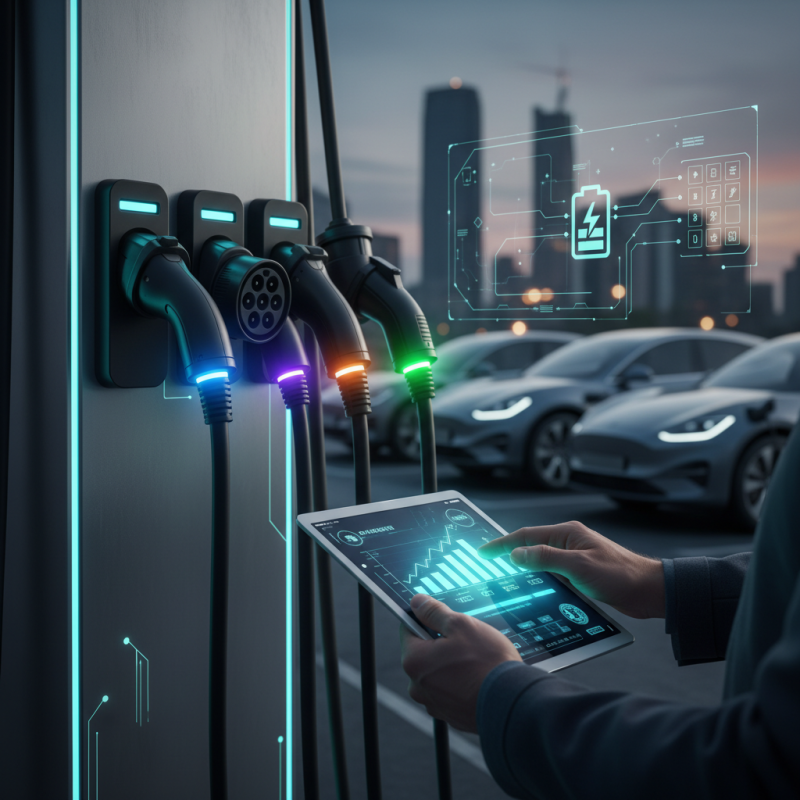
Understanding the Types of DC Charging Connectors Available Today
When considering DC charging connectors, it's crucial to understand the types available today. Charging infrastructure is evolving, and so are the connectors themselves. The Society of Automotive Engineers (SAE) has defined standards for DC charging, including the CCS (Combined Charging System) and CHAdeMO. These connectors serve different needs, catering to varying vehicle designs and charging speeds.
Recent studies indicate CCS is now the dominant connector type, accounting for over 70% of the global fast-charging network. This connector supports both AC and DC charging, making it versatile. However, CHAdeMO remains popular in regions like Japan, emphasizing the need for diverse options. An emerging contender is the GB/T connector, primarily found in China, which is gaining traction as the market expands.
While knowing the types is vital, nuances exist in usage. Compatibility issues can arise, especially in multi-format systems. Adapters are available, yet they can add complexity. The rise of charging networks may also lead to standardization debates. Observing industry trends and user feedback is essential. As electric vehicles proliferate, addressing connector diversity will be key to fostering a robust charging ecosystem.
Evaluating Charging Speed and Compatibility with Your EV Model
When selecting a DC charging connector, understanding charging speed is paramount. Different connectors provide varying charge rates. Some connectors support rapid charging, while others are designed for standard speeds. It's essential to know your EV's charging specifications. Not all connectors will deliver the same results. A mismatch can lead to longer wait times or even compatibility issues.
Compatibility also hinges on your vehicle model. Each EV brand may utilize distinct connector types. Researching your specific vehicle’s requirements is crucial. Look at user manuals or trusted websites for accurate information.
Moreover, battery health can affect charging efficiency. A deteriorating battery may not charge as quickly, even with the right connector. Regular maintenance of your EV will ensure optimal performance. Consider the charging infrastructure in your area as well. A reliable network of charging stations typically influences your connector choice. Always stay informed about emerging technologies that could enhance charging experiences.
Assessing Industry Standards and Regulatory Requirements for Connectors
When selecting a DC charging connector, understanding industry standards is crucial. Various organizations set guidelines that ensure safety and interoperability. For instance, the IEC 62196 standard, established by the International Electrotechnical Commission, outlines requirements for electric vehicle connectors. This helps ensure a degree of uniformity across different manufacturers, promoting user confidence.
Regulatory requirements also play a significant role in connector selection. In the U.S., the SAE J1772 standard is widely adopted and governs AC charging. However, with the rise in DC fast charging, standards like CCS (Combined Charging System) have gained traction. Reports suggest that over 30% of charging stations in the U.S. utilize CCS connectors. This statistic indicates the importance of aligning with established standards to foster accessibility.
One consideration often overlooked is the lifespan of connectors. While many may focus solely on upfront costs or specifications, long-term reliability is key. A study from the European Commission highlighted that connector failure can lead to significant downtime. Therefore, picking a connector that meets regulatory standards while also promising durability is essential for effective charging infrastructure.
Considering the Environmental Impact and Sustainability of Connectors
When choosing a DC charging connector, the environmental impact shouldn’t be overlooked. connectors made from sustainable materials can reduce carbon footprints. For example, consider connectors that utilize recycled plastics or metals. This choice can contribute to less waste and energy consumption.
Tip: Research the manufacturing process. Investigate if the production adheres to eco-friendly practices. This insight can affect overall sustainability. Another tip involves assessing end-of-life solutions for the connectors. Look for those that can be easily recycled or reused.
Many connectors end up in landfills, causing pollution. This reality highlights the importance of making informed choices. Connectors with longer lifespans reduce the need for replacements, which helps the environment. By prioritizing sustainability in connector selection, you support green technology advancements.
Reviewing Manufacturer Reputation and Product Warranty Options
When selecting a DC charging connector, examining the manufacturer's reputation is crucial. Reliable manufacturers often invest in quality control and innovative technology. According to a report by the International Energy Agency, around 13 million electric vehicles were sold globally in 2020. This surge emphasizes the need for dependable charging infrastructure. Manufacturers with strong reputations usually have comprehensive research and development programs, pivotal in producing high-quality components.
Product warranty options are equally important when evaluating DC charging connectors. A robust warranty not only reflects the manufacturer's confidence in their product but also provides you with peace of mind. A recent industry survey indicated that 70% of consumers surveyed are willing to pay more for products with extended warranty options. This trend highlights the value customers place on reliability and long-term performance. However, inspecting the terms of the warranty is essential. Many warranties have exclusions that can lead to unexpected costs.
Additionally, keep in mind that a well-established reputation doesn't guarantee faultless performance. Some industry players may face challenges in meeting increasing demand. Evaluating customer reviews and conducting thorough research can reveal potential pitfalls. Engaging with user experiences is vital; underserved expectations can lead to disappointments. Always weigh the long-term impact of your choice based on manufacturer reliability and warranty offerings.