Top Threaded Pipe Fittings for Global Buyers in 2026?
In recent years, the demand for Threaded Pipe Fittings has surged globally, driven by infrastructure growth and industrial expansion. According to the Global Market Insights report, the threaded pipe fittings market is expected to exceed $25 billion by 2026. This growth reflects a robust industrial landscape that increasingly relies on reliable piping solutions.
Industry expert Dr. Emily Carter emphasizes the importance of quality in this sector. She states, "Choosing the right threaded pipe fittings can significantly enhance system efficiency and durability." Her insight underscores the necessity for global buyers to prioritize material quality and compatibility. As various industries navigate complex challenges, selecting the right fittings can make or break a project.
However, sourcing the best threaded pipe fittings presents challenges. Global supply chain disruptions and varying regional standards can complicate procurement. Buyers must consider factors such as certification, material standards, and vendor reliability. The quest for excellence in threaded pipe fittings is fraught with hurdles, yet it remains vital for ensuring project success and operational integrity.
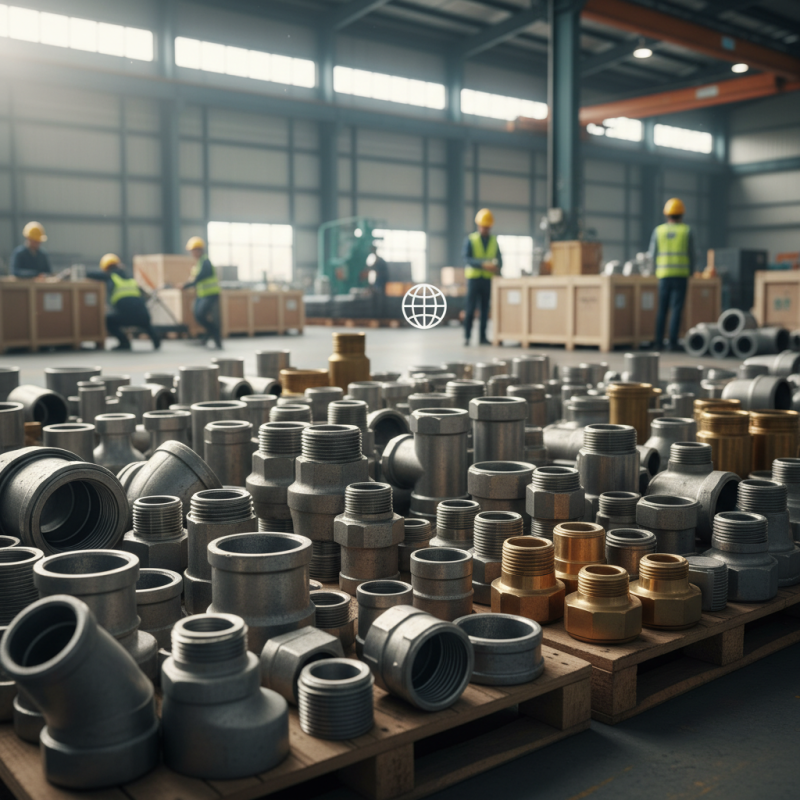
Overview of Threaded Pipe Fittings: Types and Applications
Threaded pipe fittings are essential components in various plumbing and piping systems. They are designed to connect lengths of pipe seamlessly, ensuring a tight seal to prevent leaks. These fittings come in different types, including elbows, tees, and couplings, each serving a specific function in a system.
In residential and commercial applications, threaded pipe fittings offer versatility. For example, elbows facilitate directional changes in piping. Tees allow for branching of pipelines. The choice of material—like brass, stainless steel, or PVC—affects durability and compatibility with different substances. Users must consider these factors, as they influence the longevity and safety of the installations.
Error can arise if the wrong type or size of fitting is selected. This can lead to weak connections that may fail under pressure. Knowledge of which fittings to use is crucial, especially for projects that demand high reliability. Understanding the types and applications of threaded pipe fittings is beneficial. Ultimately, careful selection ensures the integrity of plumbing systems and minimizes repair costs.
Key Factors Influencing Global Demand for Pipe Fittings in 2026
In 2026, several key factors will shape the global demand for threaded pipe fittings. One major influence is the growth in construction and infrastructure projects worldwide. Many countries are investing heavily in their infrastructure, driving the need for reliable piping systems. This increased demand can lead to supply chain challenges and fluctuating prices. Manufacturers must adapt quickly to these market dynamics.
Another factor affecting demand is the shift towards sustainability. Environmental regulations are tightening, pushing industries to seek eco-friendly materials. Many organizations are reevaluating their supply chains to reduce carbon footprints. As a result, buyers are looking for fittings made from sustainable materials that meet stringent regulations. This transition presents opportunities for innovation but requires investment in research and development.
Lastly, technological advancements cannot be overlooked. Automation and improved manufacturing processes will enable faster production cycles. However, the challenge remains in balancing quality with speed. Companies may struggle to maintain high standards while trying to keep up with demand. Understanding these factors is crucial for global buyers as they navigate the complexities of the threaded pipe fittings market in 2026.
Top Manufacturers and Suppliers of Threaded Pipe Fittings Worldwide
In the global market, threaded pipe fittings play a crucial role in various industries, including construction, oil and gas, and water supply. According to a recent industry report, the global threaded pipe fittings market is expected to reach approximately $25 billion by 2026. This growth is driven by increasing urbanization and infrastructure development.
Prominent manufacturers emphasize the importance of reliable supply chains. Countries such as China, the USA, and Germany are leaders in production. Yet, challenges remain. Quality control and material standards can vary widely. Buyers should be cautious and conduct thorough research when choosing suppliers. This ensures they get quality products that meet their specifications.
Industry reports also indicate that trends toward sustainability influence these manufacturers. More companies are adopting eco-friendly materials. This shift can potentially reshape the market dynamics. However, the transition isn't without issues. Some suppliers struggle with the costs associated with sustainable practices. These factors make navigating the market more complex for buyers seeking the best options.
Emerging Trends in Material Technology for Threaded Pipe Fittings
The world of threaded pipe fittings is evolving, driven by advancements in material technology. Traditional materials such as steel and iron are increasingly being supplemented by innovative alternatives. These include engineered plastics and composite materials. These new options provide enhanced durability and resistance to corrosion. For industries dealing with aggressive chemicals, these materials offer a reliable solution.
Sustainability is a growing concern in pipe fitting manufacturing. Many companies are exploring recyclable materials and eco-friendly production processes. However, transitioning to these materials isn't straightforward. Challenges include ensuring the same level of strength and reliability as conventional options. The industry must find a balance between sustainability and performance. As buyers become more environmentally conscious, this shift could reshape material choices.
Quality control remains a vital aspect in the production of threaded pipe fittings. Even with advanced materials, manufacturers must maintain rigorous testing standards. This ensures that products meet safety and functionality requirements. Continuous innovation is necessary, but it also raises questions about compliance and standardization. The journey towards achieving optimal performance with new materials is ongoing.
Top Threaded Pipe Fittings for Global Buyers in 2026
| Material | Durability (Years) | Temperature Resistance (°C) | Pressure Rating (MPa) | Corrosion Resistance |
| Stainless Steel | 15 | 300 | 2.5 | High |
| Carbon Steel | 10 | 200 | 3.0 | Moderate |
| Brass | 12 | 250 | 2.0 | High |
| PVC | 5 | 60 | 1.0 | Low |
| Copper | 15 | 200 | 1.5 | Moderate |
Market Forecast and Buyer Insights for Threaded Pipe Fittings in 2026
As the global market for threaded pipe fittings evolves, buyers must stay informed. The forecast for 2026 indicates increasing demand across various industries. Building and construction, oil and gas, and manufacturing sectors drive this growth. Emerging markets in Asia and Africa are expected to shine. Understanding these shifts is crucial for buyers seeking reliable products.
Quality remains a key focus. Buyers prioritize fittings that meet industry standards. Certifications and material durability will be significant factors. However, price sensitivity also influences purchasing decisions. Many buyers struggle to balance quality with affordability. This challenge leads to deeper evaluations of suppliers and their offerings.
Another point of reflection is the shift toward sustainability. Eco-friendly materials are gaining traction. However, not every buyer has access to these options. Some regions still rely heavily on traditional materials. The gap between eco-conscious buyers and the market needs to be addressed. Overall, staying informed and adaptable is essential for navigating these future trends.