
7 Best Scrap Copper Cable Suppliers for Global Buyers
Choosing reliable suppliers is essential when purchasing Scrap Copper Cable across international markets. Quality can vary sharply between shipments. Some bales contain bright, clean copper. Others hide insulation, steel strands, moisture, or mixed grades beneath the surface.
Robin Wiener, former president of the Institute of Scrap Recycling Industries, described recycling as “a manufacturing process, not a waste management activity.” This principle matters to global buyers. Scrap copper cable must be inspected, graded, packed, and documented with manufacturing-level discipline. A low quoted price may look attractive, but contamination can reduce recovery value and increase processing costs. That lesson is easy to miss.
This guide examines seven suppliers serving international buyers. It considers product consistency, cable grades, sorting methods, export experience, packaging, communication, and verification practices. It also looks at practical details, such as whether copper wire arrives in dry, labeled bales or loose, damaged bundles.
Reliable sourcing requires more than a polished website. Buyers should request recent test reports, loading photographs, batch details, and clear inspection terms. Independent inspection can be worthwhile before payment. It is not excessive.
No supplier is perfect. Even experienced exporters may face inconsistent collection streams or delayed documentation. Buyers should recognize that reality and build safeguards into each transaction. The strongest suppliers communicate problems early, explain their grading process, and support traceable, lawful trade. These qualities help global purchasers compare options with greater confidence and avoid decisions based only on price.
What Is Scrap Copper Cable and Why Is It Traded Globally?
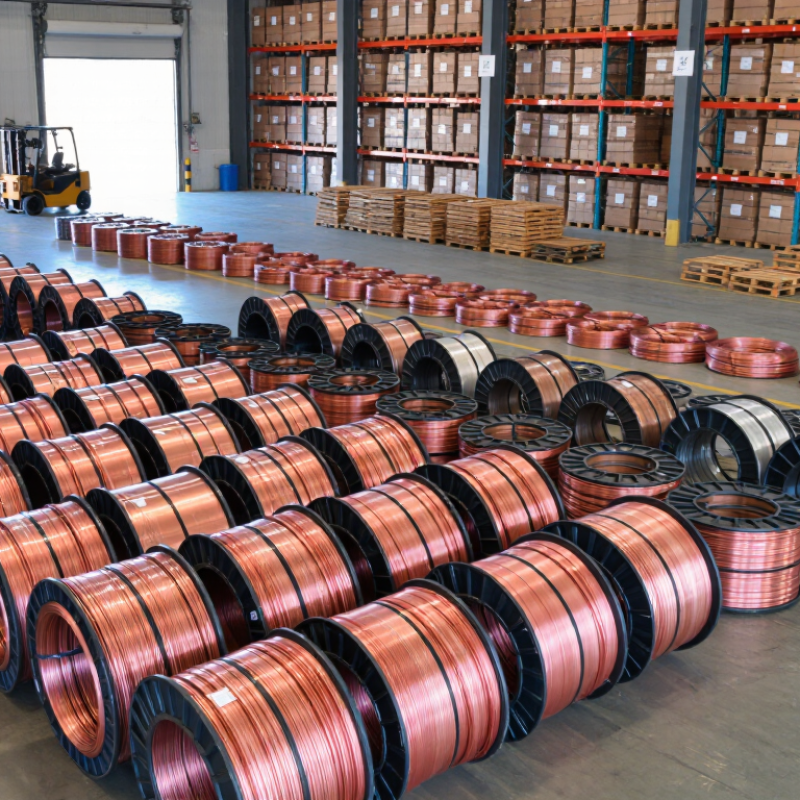
Scrap copper cable is recovered electrical wire that has reached the end of its useful service. It usually contains a copper core, insulation, shielding, or protective sheathing. Recycling facilities remove these materials and prepare the copper for secondary production. The copper may appear bright, reddish, or darkened by oxidation. Its condition affects its trading value.
Global buyers trade this material because copper remains essential in power systems, construction, renewable energy, and manufacturing. Recycled copper can reduce pressure on newly mined resources and lower energy use during production. However, “scrap cable” is not one uniform product. Bare bright wire, insulated cable, mixed wire, and low-grade material require different processing methods. Buyers should request photos, weight records, copper recovery estimates, and contamination details before agreeing on a shipment.
In practice, moisture and plastic content can change the final calculation. A large-looking bale may contain less copper than expected. That is easy to overlook. Reliable suppliers use consistent sorting procedures, clear specifications, and independent inspection when needed. They also provide accurate packing information, such as bale dimensions, net weight, and loading method. I have found that simple records often prevent expensive misunderstandings. Yet visual checks are imperfect, especially when cables are compressed tightly. Testing and careful documentation still matter. Scrap copper cable is traded globally because it combines recoverable material value with steady industrial demand, but quality determines whether a shipment performs as expected.
Key Factors for Evaluating Scrap Copper Cable Suppliers
Reliable supplier evaluation begins with material accuracy. Ask for recent assay reports showing copper content, insulation type, moisture, and contamination levels. International Copper Study Group data indicates that secondary copper supplied 17% of global refined copper production in 2023. That share makes consistent recycling inputs commercially important. A supplier should explain how cables are sorted, weighed, sampled, and stored before shipment.
Traceability matters as much as price. Review business registration, export records, inspection procedures, and documented chain-of-custody practices. Request timestamped photos, loading records, and an independent pre-shipment inspection. The U.S. Geological Survey reported substantial copper recovery from old scrap in the United States during 2024, showing the scale of formal recycling activity. Still, reports do not replace direct verification.
Check monthly capacity, packaging quality, moisture control, and payment terms. Clear contracts should define acceptable copper percentages, contamination limits, inspection rights, and claim deadlines. A low quote can become expensive after port delays or rejected material. I would also test a small shipment first. No supplier is perfect. Even a clean sample can mislead when sorting is inconsistent. That uncomfortable possibility deserves attention. Reliable communication, realistic specifications, and repeatable test results usually matter more than impressive sales language.
Seven Leading Scrap Copper Cable Suppliers for Global Buyers
Seven leading scrap copper cable suppliers serve global buyers through different sourcing channels. Industrial recycling yards often provide steady volumes from factory offcuts. Cable-processing specialists separate copper from insulation and report recovery rates. Demolition recovery firms supply mixed cable from commercial projects, so lot consistency may vary. Utility surplus dealers can offer bundled cable, but availability depends on maintenance schedules.
Regional scrap aggregators combine smaller collections into exportable loads. Their strength is flexibility, although origin records require careful checking. Audited exporters usually support container planning, customs documents, weight certificates, and pre-shipment photographs. Secondary-metal marketplaces connect buyers with multiple sellers, making price comparison easier. However, listing quality is uneven.
Experienced buyers should request recent loading images, copper content estimates, insulation descriptions, and contamination limits. A clear specification prevents disputes over bare bright copper, insulated cable, and mixed grades. Ask whether weights are gross, net, or verified at an independent facility. Small details matter.
Use recognized testing procedures where possible. Check business registration, traceable invoices, sanctions screening, and lawful recycling permits before payment. Never rely on unusually low prices alone. A neat spreadsheet can still hide weak evidence. I would also begin with a smaller trial shipment, because even reliable suppliers may misjudge grade consistency during busy seasons. In practice, communication speed, accurate packing, and honest disclosure often matter as much as the quoted price.
7 Best Scrap Copper Cable Suppliers for Global Buyers - Seven Leading Scrap Copper Cable Suppliers for Global Buyers
| Supplier | Primary Supply Region | Typical Cable Grades | Estimated Copper Recovery | Common Packaging | Export Documentation | Typical Minimum Order | Indicative Lead Time | Best Fit for Buyers |
|---|---|---|---|---|---|---|---|---|
| Supplier 01 | Western Europe | Insulated copper wire, mixed low-voltage cable, communication cable | Approximately 35%–70%, depending on insulation and conductor size | Compressed bales, jumbo bags, or loose container loading | Commercial invoice, packing list, bill of lading, weight certificate, material photographs | 1 full container, generally 20–25 metric tonnes | Approximately 2–5 weeks after contract confirmation | Buyers seeking consistent sorting and documented European origin |
| Supplier 02 | North America | Building wire, power cable, automotive harnesses, copper-rich insulated wire | Approximately 45%–85%, based on copper content and cable construction | Steel drums, gaylord boxes, or strapped bales | Invoice, packing list, export declaration, scale ticket, inspection report when requested | 20–24 metric tonnes per shipment | Approximately 3–6 weeks, including inland collection | Large-volume importers requiring regular container shipments |
| Supplier 03 | East Asia | Granulated copper cable, insulated wire, control cable, mixed electrical cable | Approximately 30%–75%; granulated material is normally more uniform | Woven polypropylene bags, cartons, or compressed bales | Invoice, packing list, bill of lading, origin declaration, pre-shipment inspection records | 1–2 containers, commonly 20–40 metric tonnes | Approximately 2–4 weeks after payment and inspection approval | Manufacturers and recyclers needing varied cable specifications |
| Supplier 04 | Southeast Asia | Mixed insulated cable, telecom cable, appliance wire, sorted copper wire | Approximately 25%–65%, with grades separated by conductor percentage | Loose-loaded containers, woven bags, or baled bundles | Invoice, packing list, customs declaration, weight records, loading photographs | Approximately 18–25 metric tonnes | Approximately 3–6 weeks, depending on port congestion | Cost-conscious buyers purchasing mixed grades for further processing |
| Supplier 05 | Middle East | Construction cable, industrial cable, aluminum-copper mixed cable, insulated copper wire | Approximately 30%–80%, subject to sorting and stripping method | Compressed bales, pallets, steel drums, or sealed jumbo bags | Invoice, packing list, certificate of origin, weight certificate, cargo photographs | 1 container, generally 20–25 metric tonnes | Approximately 3–7 weeks, including regional consolidation | Buyers looking for access to construction and infrastructure recovery streams |
| Supplier 06 | Oceania | High-grade insulated wire, power cable, data cable, clean copper offcuts | Approximately 50%–90%; clean offcuts generally deliver the highest recovery | Steel bins, drums, strapped bales, or sealed containers | Commercial invoice, packing list, export declaration, scale ticket, loading report | Approximately 20 metric tonnes per shipment | Approximately 4–8 weeks, depending on vessel schedule | Buyers prioritizing traceability and relatively clean feedstock |
| Supplier 07 | Latin America | Insulated copper cable, utility cable, automotive wire, mixed electrical scrap | Approximately 35%–75%, depending on insulation ratio and sorting quality | Bales, jumbo bags, drums, or loose container loading | Invoice, packing list, bill of lading, origin document, weight certificate, inspection records | Approximately 18–25 metric tonnes | Approximately 4–8 weeks after cargo availability | Importers seeking diversified regional sourcing and flexible cable grades |
Note: Copper recovery percentages, order quantities, and lead times are indicative industry ranges. Actual specifications should be confirmed through a representative sample, independent inspection, and the supplier’s current export documentation before purchase.
How to Verify Quality, Pricing, and Export Compliance
7 Best Scrap Copper Cable Suppliers for Global Buyers
How to Verify Quality, Pricing, and Export Compliance
Reliable sourcing starts with measurable evidence, not polished photographs. Ask each supplier for recent assay results, cable photos, weight tickets, and insulation descriptions. Copper recovery can vary sharply by cable type. A laboratory test should state copper content, moisture, and non-metallic residue. The International Copper Study Group reports that recycled material supplies roughly one-third of global copper use. That scale makes consistent grading essential.
Compare offers against a recognized copper benchmark, then adjust for recovery rate, freight, insurance, and destination charges. A low price may hide high insulation content or inaccurate weights. Request a sealed container loading report and independent inspection before shipment. I have seen paperwork look complete while the actual bundle contained mixed grades. That is a useful warning, not a rare exception.
Tips: Verify the supplier’s legal entity, tax details, export history, and bank account independently. Check the correct HS classification with a licensed customs professional. Waste-shipment rules differ by origin, transit route, and destination. The Basel Convention framework may apply when cable scrap is classified as waste. Ask for the commercial invoice, packing list, certificate of origin, weight certificate, and any required permits. The U.S. Geological Survey’s Mineral Commodity Summaries 2025 also emphasizes recycling’s importance to copper supply, but market statistics cannot replace shipment-level testing. Do not rely on one certificate. Verify twice.
Best Practices for Importing Scrap Copper Cable Internationally
Internationally importing scrap copper cable requires more than finding a competitive quotation. Buyers should verify the supplier’s operating history, export experience, and material descriptions. Ask for recent photographs, loading records, and a clear breakdown of copper content, insulation, and contamination. A small sample can reveal more than a polished sales presentation.
Confirm the correct customs classification before shipment. Requirements vary by destination, and some countries restrict certain waste materials. Check import permits, environmental documents, inspection rules, and insurance responsibilities with a qualified customs professional. The contract should state weight tolerance, payment milestones, inspection rights, and the agreed Incoterm. Never rely on a vague phrase like “clean copper cable.” It creates disputes.
Packaging also matters. Wet cable can increase weight and hide contamination. Require dry, secured cargo with clear lot numbers. Independent testing is useful when large volumes are involved. I would not treat supplier claims as proof, even when the documents look complete. A careful buyer may still miss local port charges or unexpected storage fees. That mistake can erase an attractive purchase price. Ask practical questions early, and record every answer in writing.