Top 10 Pressure Hose Suppliers for Global Buyers?
The global pressure hose market is expanding rapidly. In 2023, the market was valued at approximately $2.5 billion, with projections indicating a growth rate of 6% annually through 2030. This growth is fueled by increasing industrial applications. Suppliers play a vital role in addressing the rising demand.
Industry expert Dr. Michael Reynolds emphasizes, “The quality of pressure hoses is crucial for performance and safety.” His insights reflect the need for reliable suppliers in this competitive market. Selecting the right supplier can significantly impact operational efficiency and safety standards in various sectors, including construction and manufacturing.
However, not all suppliers meet the necessary standards. Some may offer low-quality products, potentially jeopardizing projects. Buyers should be cautious and conduct thorough research to ensure they partner with reputable suppliers. The pressure hose industry thrives on trust, quality, and innovation, making it essential for global buyers to stay informed and aware of their choices.
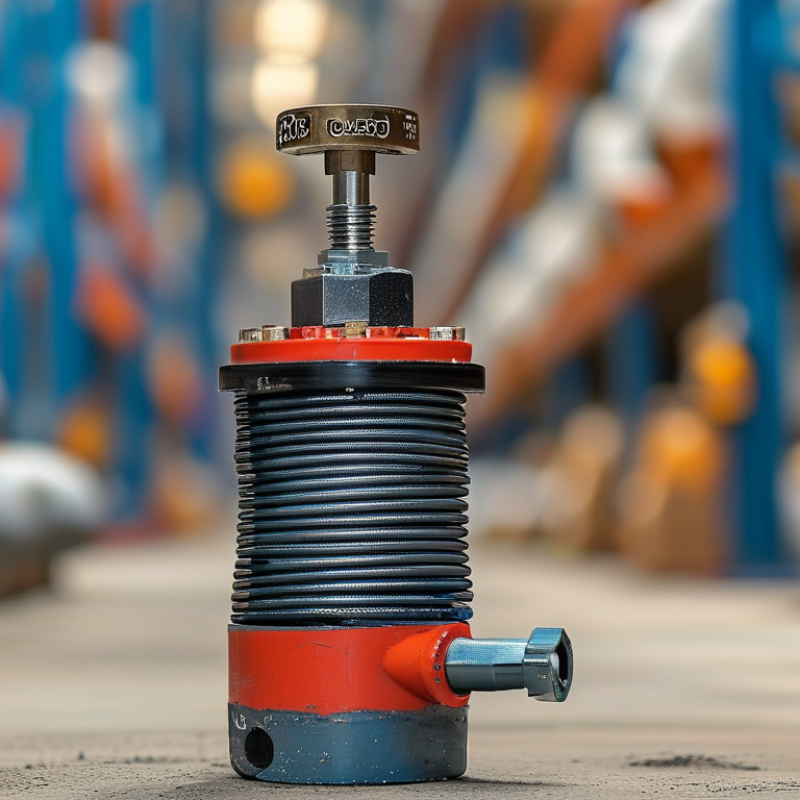
Introduction to Pressure Hoses and Their Importance
Pressure hoses play a critical role in various industrial applications. Their importance lies in their ability to handle high-pressure fluids. Commonly made from durable materials, these hoses ensure safety and efficiency in operations. According to industry reports, the global pressure hose market was valued at approximately $6 billion in 2022. This figure is expected to grow steadily, reflecting increasing demand across sectors.
In construction, agriculture, and automotive industries, power and reliability are crucial. Pressure hoses deliver hydraulic energy to machinery, allowing for tasks that require significant force. Proper maintenance is essential to ensure performance. A report from a well-known engineering journal noted that over 30% of hose failures result from improper usage and neglect. Regular inspections can prevent these costly issues.
Additionally, environmental concerns are making an impact. Many manufacturers are exploring eco-friendly materials. The shift to sustainable production practices is a growing trend. Reports highlight that more than 40% of industry leaders are prioritizing sustainability in their operations. The focus on innovative solutions continues to evolve in the pressure hose market, yet challenges remain in implementation.
Top 10 Pressure Hose Suppliers for Global Buyers
| Supplier Rank |
Location |
Product Range |
Annual Revenue Estimate |
Years in Business |
| 1 |
North America |
Hydraulic Hoses, Industrial Hoses |
$500M |
25 |
| 2 |
Europe |
Water Hoses, PVC Hoses |
$300M |
15 |
| 3 |
Asia |
Chemical Hoses, Pressure Wash Hoses |
$450M |
20 |
| 4 |
Australia |
Air Hoses, Specialty Hoses |
$200M |
10 |
| 5 |
South America |
Heavy Duty Hoses, Reusable Hoses |
$150M |
5 |
| 6 |
Middle East |
Marine Hoses, Fuel Hoses |
$250M |
12 |
| 7 |
Africa |
Agricultural Hoses, Irrigation Hoses |
$100M |
8 |
| 8 |
UK |
Fire Hoses, High-pressure Hoses |
$180M |
18 |
| 9 |
Germany |
Pressure Testing Hoses, Custom Hoses |
$350M |
22 |
| 10 |
Japan |
Food & Beverage Hoses, Sanitary Hoses |
$260M |
30 |
Criteria for Selecting Top Pressure Hose Suppliers
When selecting top pressure hose suppliers, it’s essential to consider several critical factors. A comprehensive evaluation can lead to better purchasing decisions. First, analyze the supplier's experience in the industry. According to a recent market research report, companies with over a decade of experience tend to have more reliable manufacturing practices.
These suppliers often adhere to strict quality standards, ensuring their products meet the demands of global buyers.
Another significant criterion is product variety. A diverse range of hoses for various applications shows a supplier's adaptability. Recent statistics indicate that suppliers offering at least five different types of hoses are 30% more likely to satisfy customer needs. Furthermore, certifications and compliance are also crucial. Verify if suppliers have ISO or similar industry certifications. This adds an extra layer of trustworthiness to their products.
Customer service should not be overlooked. Suppliers who provide responsive support can quickly address issues. According to industry surveys, 75% of buyers prioritize suppliers with responsive customer service teams. Reflecting on past experiences with other suppliers can also provide insights. In some cases, successful transactions hinge on effective communication and timely responses. These elements contribute to building a long-term partnership.
Overview of the Top 10 Pressure Hose Suppliers Globally
When exploring the realm of pressure hose suppliers, buyers are met with a diverse array of options. Each supplier brings unique strengths to the table. Some specialize in high-pressure capabilities, while others excel in flexible designs. Understanding these nuances can greatly impact procurement decisions.
It's important to recognize the varying quality of materials used by suppliers. Not all hoses are created equal. Some may not meet international safety standards, potentially leading to operational risks. Buyers should prioritize suppliers known for durability and reliability. A proactive approach in vetting suppliers can prevent disasters in high-stakes environments.
Engaging with suppliers can illuminate their technological advancements and production processes. However, it’s crucial to seek real-world testimonials and reviews. While many suppliers may claim excellence, actual user experiences provide deeper insights. Reflecting on the supplier’s past performance can guide future partnerships. This ongoing evaluation ensures buyers align their needs with the right expertise and reliability.
Comparative Analysis of Supplier Products and Services
When evaluating pressure hose suppliers, a comparative analysis of their products and services is critical. Reports indicate that over 65% of buyers prioritize durability and performance when selecting suppliers. The market offers variations in materials, ranging from rubber to thermoplastics, each with distinct advantages. For example, rubber hoses often excel in high-pressure applications, whereas thermoplastic hoses provide flexibility and lightweight benefits.
It's essential to assess each supplier's safety certifications and compliance with industry standards. Reports show that suppliers with ISO certifications tend to maintain higher product quality and reliability. However, not all suppliers disclose detailed testing results. This lack of transparency can be a red flag for potential buyers, indicating a need for thorough vetting of supplier practices.
Examine the range of services offered by each supplier. Some provide customization options, while others may specialize in bulk orders. The customer service experience can also vary significantly. Engaging with suppliers to understand their support structure is vital. Consider asking specific questions related to warranties and return policies. This step can reveal their commitment to customer satisfaction and product quality.
Top 10 Pressure Hose Suppliers Comparative Analysis
Future Trends in the Pressure Hose Industry and Supplier Market
The pressure hose industry is evolving rapidly. Buyers are increasingly focused on quality and sustainability. Suppliers must adapt to these changing expectations. Many companies are investing in innovative materials to enhance performance. This shift not only improves durability but also aligns with environmental goals. Suppliers who can provide eco-friendly options will likely lead the market.
Digitalization is another critical trend shaping the supplier landscape. More businesses are adopting online platforms for procurement. This move brings efficiency and transparency to the supply chain. However, it also raises concerns about cybersecurity. Suppliers must prioritize data protection while engaging with customers.
Additionally, there is a growing emphasis on customization. Buyers now seek hoses tailored to specific applications. This demand challenges suppliers to be more flexible. Not all companies are equipped for such changes. Adapting to market demands is essential for future success. However, the pressure to innovate can sometimes lead to inconsistencies in quality. Balancing innovation with reliability remains a key challenge for many.