Top Hydraulic Pumps for Global Buyers in 2026?
In the evolving world of hydraulic systems, Hydraulic Pumps play a crucial role. Global demand for these pumps is on the rise, with industries seeking reliable solutions. Jim Thompson, a renowned expert in the hydraulic pumps industry, once stated, “Hydraulic pumps are the heartbeat of modern machinery.” This highlights their importance in various applications, from construction to manufacturing.
As we approach 2026, suppliers are focusing on innovation and efficiency. Companies are re-evaluating their pump options to enhance performance. Understanding market trends and technology advancements is vital for making informed decisions. Yet, not all products meet exceptional standards. Some hydraulic pumps may fall short in reliability or efficiency.
Investing in high-quality hydraulic pumps is essential. However, buyers must remain vigilant. The variety in specifications can be overwhelming. It is crucial to balance cost and performance. Future buyers must consider factors like energy consumption and durability. Ensuring a good fit for specific needs requires thorough research and expert advice.
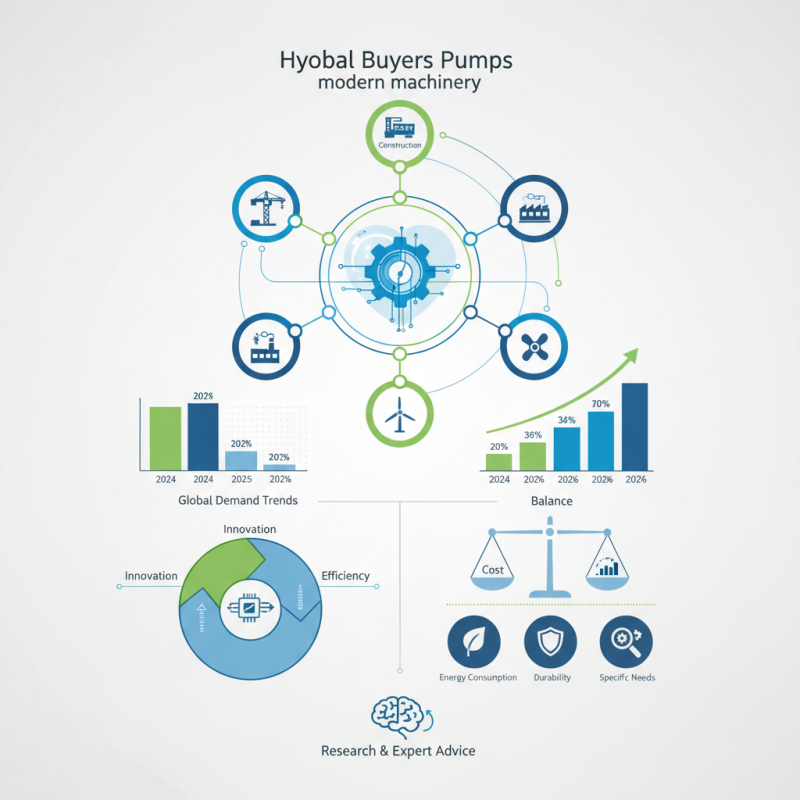
Global Overview of Hydraulic Pump Market Trends in 2026
The hydraulic pump market is evolving rapidly as we approach 2026. Growth factors include increasing industrial automation and demand for efficient machinery. Various sectors like construction, agriculture, and manufacturing are driving this trend. The need for reliable hydraulic systems is greater than ever.
Navigating the market can be tricky. It’s essential to understand specific requirements before making a purchase. Knowledge about pump types, capacities, and applications can significantly impact decision-making. Research is critical.
Tips: Always evaluate your operational needs. Consider efficiency ratings and maintenance requirements. Balancing cost with quality is vital. Remember, investing in a hydraulic pump is a long-term commitment. Don't rush through the selection process; small oversights can lead to significant inconveniences. An informed choice can lead to substantial cost savings and improved performance.
Key Factors Driving the Demand for Hydraulic Pumps in 2026
In 2026, the demand for hydraulic pumps is expected to rise significantly. Several key factors are driving this trend. Industries like construction, agriculture, and manufacturing rely heavily on hydraulic systems. As these sectors grow, so does the need for efficient hydraulic pumps.
An increase in infrastructure projects worldwide is also contributing to this surge. More construction means more hydraulic machinery. Additionally, advancements in technology improve the performance and efficiency of hydraulic pumps. These innovations attract more buyers, as businesses aim to reduce operating costs.
**Tips:** Consider the hydraulic pump's efficiency rating. Look for pumps with advanced features that promote energy savings. Regular maintenance is crucial for long-term performance. Evaluate the specific needs of your application, as this can influence the pump's selection. Not all hydraulic pumps are suitable for every task, so choose wisely.
Top Hydraulic Pump Manufacturers and Their Innovations in 2026
As the hydraulic pump industry evolves, manufacturers are focusing on more efficient designs and technologies. Innovations in materials and product engineering are leading the way. Lightweight components are now common, improving performance. New hydraulic pumps exhibit better durability, which enhances lifespan. Manufacturers aim to reduce operational costs for users.
Efficiency is a key driver in pump development. Many companies are investing in electronic control systems. These systems optimize power usage, reducing waste. Some designs incorporate real-time monitoring. This helps users maintain operational effectiveness.
However, not all innovations are flawless. Some new models may face reliability issues during heavy use. There are also challenges regarding integration with existing systems. Buyers need to conduct thorough research before making decisions. Understanding potential weaknesses can prevent costly mistakes.
Applications and Industries Utilizing Hydraulic Pumps in 2026
Hydraulic pumps are essential in many industries in 2026. They power various applications, from construction to agriculture. In the construction sector, hydraulic pumps enable machines like excavators to operate efficiently. These pumps provide the necessary force for lifting heavy materials and moving them precisely.
Transportation relies heavily on hydraulic pumps as well. In the automotive industry, they enhance the performance of vehicles. Hydraulic systems control braking and steering with precision. This technology increases safety on the road, but it still poses some challenges. Maintenance can be complex and costly, requiring specialized knowledge.
Agricultural machinery also benefits from hydraulic technology. Tractors and harvesters use these pumps to maximize productivity. However, not all operators are trained adequately to handle these systems. This knowledge gap can lead to inefficiencies or accidents on the field. Increasing awareness and training is crucial as this technology continues to evolve.
Future Predictions for Hydraulic Pump Technology Advancements in 2026
The landscape of hydraulic pump technology is poised for significant transformation by 2026. Innovations will likely focus on energy efficiency and enhanced functionality. Manufacturers are exploring new materials that could reduce weight while increasing durability. This shift aims to optimize power-to-weight ratios, enabling more versatile applications across various industries.
One anticipated advancement is the integration of smart technology. Hydraulic pumps may soon feature sensors that monitor performance in real-time. Such innovations could lead to predictive maintenance, reducing downtime. However, there is uncertainty regarding the implementation costs and the current infrastructure's adaptability to these smart systems.
Another trend is the development of eco-friendly hydraulic fluids. These fluids aim to reduce environmental impact while maintaining performance standards. The challenge lies in achieving this without compromising efficiency. It remains to be seen how quickly different sectors will adopt these innovations. Industry feedback is crucial to drive change in this direction.