Top 10 Benefits of VR Reality for Global Buyers in 2026?
As we approach 2026, the role of Vr Reality in global commerce is set to transform dramatically. Industry experts, such as Dr. Emma Feldman, emphasize, "VR Reality is not just a tool; it's a revolution." According to a recent report by the International VR Council, 75% of buyers believe that immersive experiences directly influence purchasing decisions. This trend signifies a pivotal shift towards virtual engagement in buying behaviors.
The potential benefits of VR Reality are vast. Enhanced product visualization can reduce the uncertainty that buyers often face. With 68% of consumers preferring online shopping experiences that integrate VR, businesses cannot afford to ignore this technology. However, companies must reflect on their goals. The implementation of VR Reality can be costly and time-consuming. Without a clear strategy, efforts may lead to wasted resources and dissatisfaction.
Moreover, while the advantages are clear, challenges remain. Ensuring user accessibility and maintaining a seamless experience can be complex. The landscape of VR Reality demands constant innovation, allowing buyers to connect in ways that traditional methods cannot. Embracing this change will require a commitment to learning and adaptation in an ever-evolving market.
Benefits of Enhanced Product Visualization through VR for Buyers
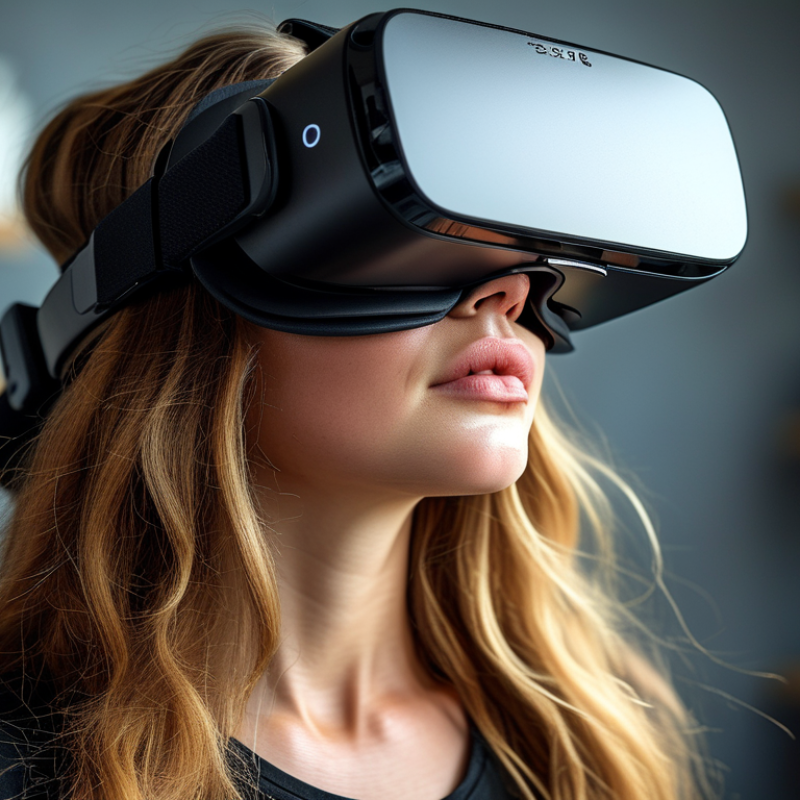
Virtual Reality (VR) is revolutionizing the way buyers visualize products. In 2026, enhanced product visualization through VR offers innovative advantages. According to a report by McKinsey, brands that implement VR see a 30% increase in conversion rates. This technology enables buyers to experience products as if they were interacting with them in real life.
The immersive experience of VR allows buyers to explore details that traditional methods cannot provide. For instance, they can rotate a product, view it from different angles, and even simulate its use in various scenarios. A study by Harvard Business Review indicates that 40% of consumers prefer virtual experiences over physical ones when shopping.
Buyers should remember that not every VR application is perfect. Some users report discomfort during longer sessions. It is essential to take regular breaks and ensure the VR setup is comfortable. Understanding user feedback can enhance the VR experience for sellers and buyers alike. Engaging with VR can boost confidence in purchasing decisions, but companies must address technical limitations seriously.
Impact of VR on Consumer Decision-Making in 2026
As we approach 2026, virtual reality (VR) is set to reshape consumer decision-making significantly. Buyers will use VR for immersive experiences before making purchases. This technology will allow potential customers to explore products in a virtual environment. Imagine virtually trying on clothes or furniture, saving both time and resources.
However, the impact of VR is not without challenges. Some users may feel overwhelmed by the technology. Experiences can sometimes lead to decision fatigue. Additionally, the emotional attachment formed in virtual spaces can skew objective judgment. Critical reflection on these experiences is necessary.
Furthermore, not every consumer will adapt to VR equally. Demographic factors will play a role in how effectively individuals engage with VR. Older generations may find it more difficult to embrace this technology. Continuous education and support will be essential. Retailers must remember that while VR enhances engagement, it should not replace fundamental consumer needs. Balancing innovation with user experience will pave the way for better overall satisfaction.
Cost Savings from Virtual Reality in Global Supply Chain Management
Virtual reality (VR) technology has become a game changer in global supply chain management. By simulating real-world environments, VR allows businesses to visualize processes before physical implementation. A recent report from the International Data Corporation estimates that companies using VR in their logistics processes could see cost reductions by up to 30%. This significant savings stems from reducing errors and enhancing training efficiency.
Virtual reality's advantages extend to real-time decision-making. Companies can test various scenarios using VR models. This flexibility minimizes disruptions in production and inventory management. According to a study by Gartner, 65% of supply chain professionals believe that VR will play a crucial role in improving logistics operations by 2026. However, the integration of VR isn’t without challenges. Firms may face initial investment hurdles and technical issues during the transition.
The emergence of VR might also reshape workforce roles. While it can streamline tasks, there is concern over job displacement. Balancing automation with human oversight remains essential. Companies must reflect on how to use VR technologies responsibly. This will involve training employees to adapt to new systems while maintaining operational integrity.
Increased Engagement and Interaction through Immersive VR Experiences
In 2026, immersive Virtual Reality (VR) technologies are set to revolutionize buyer engagement globally. Reports indicate that 80% of consumers prefer immersive experiences over traditional methods. This shift is reshaping how buyers interact with products, leading to higher retention rates. VR allows potential customers to explore products in lifelike scenarios. They can visualize how items fit into their lives, enhancing their connection to the brand.
Data from industry research shows that businesses using VR saw a 30% increase in sales conversions. Interactive elements in VR experiences create emotional involvement. This emotional resonance drives decisions, making buyers feel more informed and confident. Additionally, studies show that immersive experiences boost customer satisfaction by 25%. Companies now realize the importance of fostering deeper connections with their audience.
Despite these advantages, challenges remain. Not all buyers have access to the necessary technology. There are also concerns regarding the realism of these virtual experiences. Feedback indicates that overly complex VR setups can lead to confusion. Striking a balance between innovation and user-friendliness is essential for maximizing engagement. As the sector evolves, ongoing reflection and improvement will help address these hurdles.
Data-Driven Insights: How VR is Shaping Market Trends and Preferences
Virtual reality (VR) is transforming the buying experience for global consumers in 2026. As buyers increasingly embrace VR, data-driven insights reveal significant shifts in market trends and preferences. VR allows customers to immerse themselves in products before making decisions. This leads to more informed choices, minimizing returns.
Immersive experiences enhance emotional connections with brands. Utilizing VR, buyers can visualize products in their environments. This capability can boost confidence and satisfaction. Additionally, businesses gain valuable data from user interactions. Analyzing these experiences helps them tailor offerings more precisely.
However, reliance on VR isn't without challenges. Some users may feel overwhelmed by the technology. Moreover, not all consumers have access to the necessary devices. Businesses must consider these factors when implementing VR solutions. Balancing innovation with user experience will be crucial for future growth.