What is a Relief Valve and How Does It Work?
In industrial settings, safety is paramount. A relief valve serves as a critical safety device. It helps prevent dangerous pressure build-up in systems. According to John Smith, a renowned pressure control expert, "A relief valve is essential for maintaining operational safety in various applications." This emphasizes its importance in protecting equipment and personnel.
Relief valves work by automatically releasing pressure when it exceeds a predetermined limit. This mechanism prevents accidents and equipment failure. However, not all relief valves are created equal. Some may fail under extreme conditions, leading to potential disasters. It's vital to choose a reliable model designed for specific needs.
Understanding how a relief valve operates can save lives. Regular maintenance and testing are needed to ensure effectiveness. Experts remind us that neglecting these tasks can lead to costly breakdowns. In a world where precision is critical, a trust in relief valves is both necessary and alarming.
What is a Relief Valve and Its Purpose in Pressure Systems?
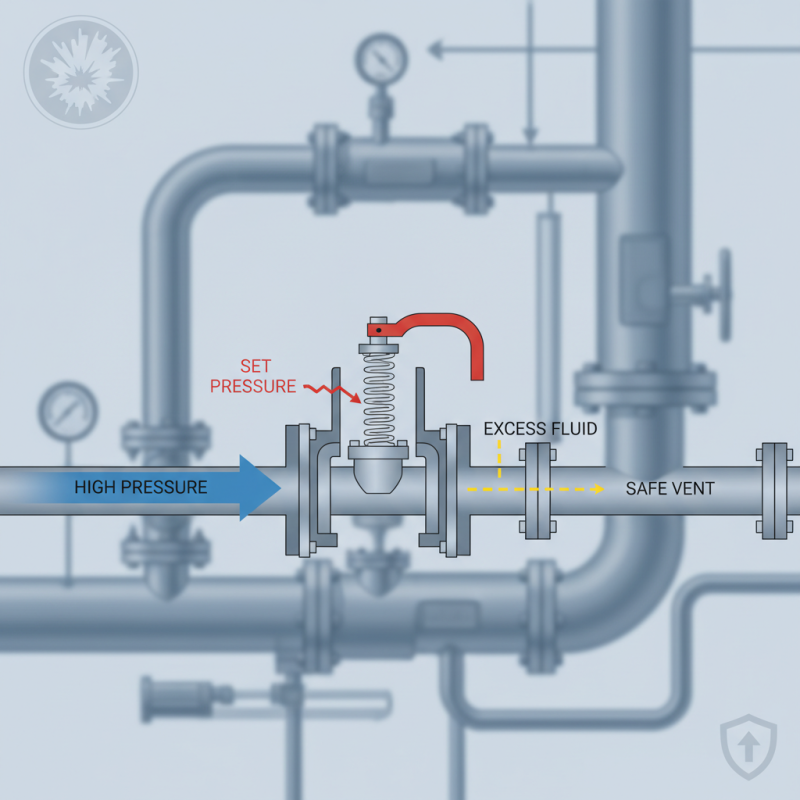
A relief valve is a crucial component in pressure systems. Its primary purpose is to prevent excessive pressure build-up. According to the American Society of Mechanical Engineers (ASME), overpressure incidents account for nearly 30% of equipment failures in industrial plants. These failures can lead to significant safety issues and costly repairs.
Relief valves automatically release pressure when it exceeds a set limit. This mechanism helps maintain system integrity. When a system experiences abnormal conditions, the valve opens. It discharges excess fluid or gas, ensuring safe operation. Statistics indicate that correctly functioning relief valves can reduce explosion risks by up to 50%. This is vital in processes involving volatile substances.
Tips: Regular maintenance of relief valves is essential. Inspect them periodically to ensure they operate correctly. Consider using pressure gauges alongside valves for better monitoring. Failure to maintain these systems can lead to severe consequences. Neglecting small issues can escalate, impacting safety and efficiency. Attention to detail in maintenance practices can save costs in the long run.
What is a Relief Valve and How Does It Work?
| Dimension |
Value |
| Type of Relief Valve |
Spring-loaded |
| Common Applications |
Boilers, Gas Systems |
| Set Pressure Range |
10 to 300 psi |
| Material |
Bronze, Stainless Steel |
| Operating Temperature |
-40°F to 400°F |
| Function |
Protect against overpressure |
The Mechanism Behind Relief Valve Operation and Functionality
Relief valves are crucial in controlling pressure within systems. They help prevent equipment damage. These valves automatically release excess pressure when it exceeds a preset limit. The functionality of the valve relies on its unique mechanism.
When pressure builds up, a spring-loaded disc lifts. This action allows fluid to escape, reducing pressure instantly. It seems straightforward, but the tuning of the spring is complex. Too stiff, and it won't open; too loose, and it may release too early. Achieving the right balance is essential for safe operation.
Users often overlook the maintenance needs of relief valves. They might rust over time or become clogged with debris. Regular checks are vital, yet many neglect this aspect. It’s not uncommon for a valve to fail during a critical moment. Addressing these issues requires awareness and proactive measures. Keeping systems running safely is a shared responsibility.
Factors Influencing Relief Valve Sizing and Selection Criteria
Relief valves are critical in maintaining system safety. Their sizing and selection depend on various factors. Understanding these factors can streamline the decision-making process.
First, the pressure rating is essential. Knowing the system's maximum allowable pressure helps identify suitable valve options. Valve materials also matter. They must withstand the system conditions without compromising integrity. Temperature influences performance as well. For high temperatures, specific materials may be required.
Flow rate calculations are another key aspect. An undersized valve may not vent pressure quickly enough, risking system failure. Alternatively, an oversized valve can lead to instability. Sometimes, users mistakenly prioritize cost over suitability. This can lead to expensive system repairs later. Understanding these criteria is vital to selecting the right valve. Each system has unique needs that demand careful consideration.
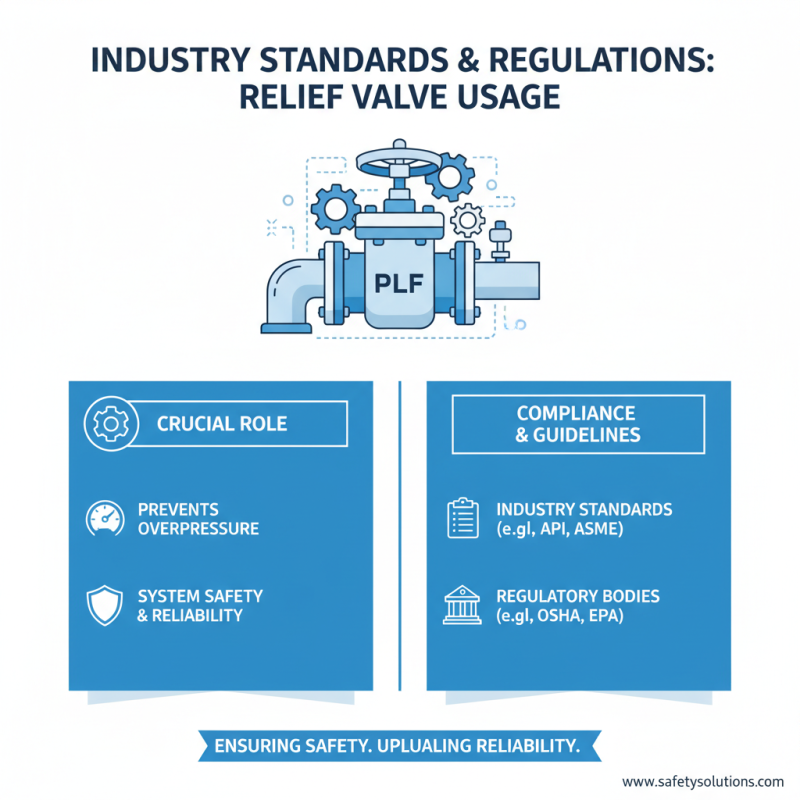
Industry Standards and Regulations Governing Relief Valve Usage
Relief valves play a crucial role in many industries. They prevent overpressure in various systems. Compliance with industry standards is essential. Organizations follow guidelines set by regulatory bodies. These regulations help ensure safety and reliability.
In many sectors, the American Society of Mechanical Engineers (ASME) governs relief valve usage. ASME codes dictate the design, manufacturing, and testing of these devices. This promotes uniform safety standards. Additionally, local regulations can vary. Each region may have its own specific rules.
**Tip:** Always check local regulations before installation. Understanding these can save money and time.
Another important factor is the maintenance of relief valves. Regular inspection is necessary to ensure functionality. According to some standards, valves should be tested annually. Many facilities, however, forget this essential step. Neglecting it can lead to catastrophic failures.
**Tip:** Create a maintenance schedule to track inspections. This simple act can enhance safety significantly.
Common Applications and Impact of Relief Valves in Different Sectors
Relief valves play a crucial role across various sectors, including industrial and commercial applications. In the oil and gas industry, for instance, relief valves are essential for safety. According to the American Petroleum Institute, nearly 70% of safety incidents occur due to system overpressure. Relief valves mitigate this risk by releasing excess pressure, preventing catastrophic failures. They are commonly found in pressure vessels and piping systems.
In the chemical processing sector, relief valves are vital for maintaining safe operating conditions. The Chemical Safety Board reports that improper pressure control has led to serious accidents. By ensuring that pressure doesn't exceed safe levels, these valves protect both equipment and personnel. Their importance is underscored by data suggesting that facilities with well-maintained relief valves experience 30% fewer incidents.
In HVAC systems, relief valves contribute significantly to energy efficiency. When they function properly, they prevent excessive pressure build-up, which could lead to costly repairs or energy losses. However, regular maintenance is often overlooked. Industry surveys suggest that about 25% of operators do not routinely check their relief valves, potentially leading to failures. This highlights the need for a stronger focus on inspection practices.
Relief Valve Applications and Their Impact Across Different Sectors