What is Precision Investment Casting and How Does It Work?
Precision Investment Casting is a highly specialized manufacturing process that plays a crucial role in various industries. According to Dr. James Collins, a leading expert in the field, “Precision Investment Casting allows for exceptional detail and accuracy.” This method enables the creation of intricate components with tight tolerances, which are essential in aerospace, medical, and automotive applications.
The procedure begins with a wax model, which is coated with a ceramic shell. Once the shell hardens, the wax is melted away. This process creates a mold that captures every fine detail of the original model. Liquid metal is then poured into the mold, resulting in precise and high-quality castings. However, achieving the desired level of accuracy can be challenging. Issues like temperature control and material selection require careful consideration.
While Precision Investment Casting is an efficient method, it is not without its pitfalls. Small defects or flaws can significantly impact the final product's performance. Manufacturers must continually assess their processes to maintain quality standards. As industries evolve, so too must the practices within Precision Investment Casting to remain reliable and competitive.
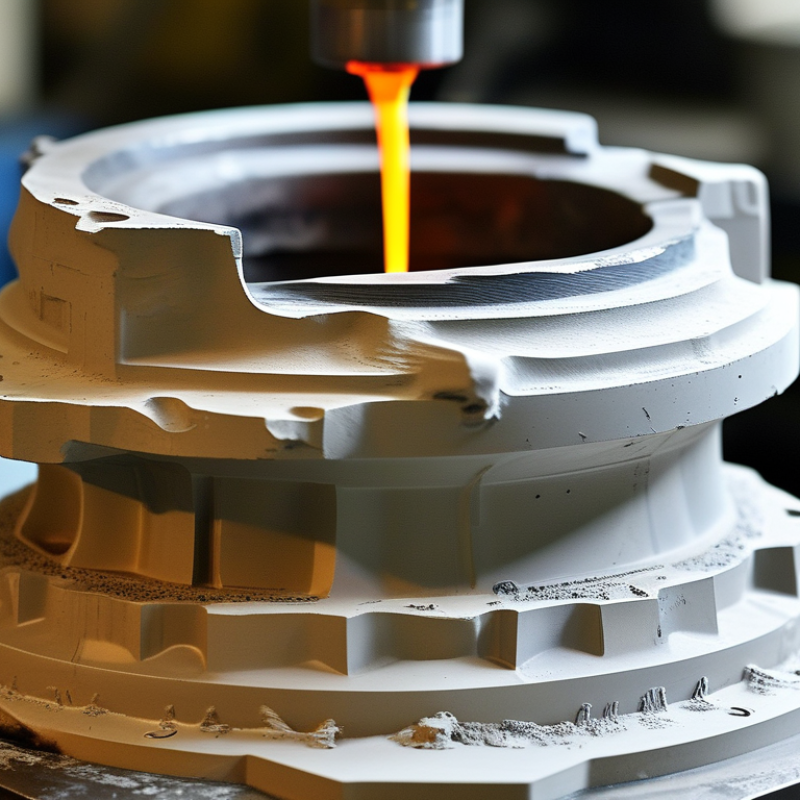
Definition of Precision Investment Casting
Precision investment casting is a highly specialized manufacturing process. It allows for the production of complex shapes with high dimensional accuracy. This method involves creating a wax pattern, which is then coated in a ceramic material. Once hardened, the ceramic shell is heated to remove the wax, leaving a mold.
The precision casting process begins with the creation of the wax pattern. This pattern exactly reflects the final product's size and detail. After the wax is removed, molten metal is poured into the mold, capturing every fine detail. The end result is a highly accurate metal component. These components are often used in sectors like aerospace and medical industries, where precision is critical.
While precision investment casting offers many advantages, it also has drawbacks. The process can be time-consuming and costly, especially for small production runs. Additionally, not every metal is suitable for this technique. It's essential to consider the specific requirements of each project to determine if precision investment casting is the right choice. Factors such as volume, material, and complexity must be evaluated carefully.
The Process of Precision Investment Casting
Precision investment casting is a sophisticated process that allows for the creation of intricate metal parts. The method starts with a wax model, which is precisely shaped according to the desired specifications. This model is then coated with a ceramic shell, forming a mold. After the shell hardens, the wax is melted and drained away, leaving a cavity for the metal.
Once the mold is ready, molten metal is poured in. The temperature must be carefully controlled to ensure optimal results. This step requires attention, as any fluctuation can compromise the integrity of the final product. After cooling, the mold is broken open to reveal the cast metal part. This process maximizes accuracy and minimizes waste, allowing for parts with fine details and smooth surfaces.
However, challenges can arise. Maintaining consistent temperatures is crucial, yet difficult. Even slight temperature variations can create flaws. Furthermore, the ceramic shell can be prone to cracking if not handled with care. Each step demands skilled expertise and experience. Precision investment casting is a blend of art and science, yielding impressive results when executed correctly.
What is Precision Investment Casting and How Does It Work?
| Process Step | Description | Materials Used | Advantages |
| Wax Pattern Creation | A wax model of the desired part is created and coated with a ceramic shell. | Wax, ceramics | High accuracy in shape and dimensions |
| Shell Building | The coated wax patterns are heated to harden the shell and remove the wax. | Ceramic materials | Creates a precise mold for metal pouring |
| Mold Firing | The ceramic mold is heated to remove any remaining wax and to cure the mold for strength. | High-temperature ceramics | Ensures durability of the mold |
| Metal Pouring | Molten metal is poured into the preheated mold to form the final part. | Various metals such as stainless steel, aluminum | Ability to create complex shapes |
| Finishing | The cast parts are cleaned, and any excess material is removed. | N/A | Final parts are ready for use or further processing |
Materials Used in Precision Investment Casting
Precision investment casting is a sophisticated manufacturing process that allows for the creation of complex metal parts with high accuracy. The materials used in this technique play a crucial role in determining the final product's quality. Common materials include alloys such as stainless steel, aluminum, and brass. Each material offers unique properties that cater to various applications. For instance, stainless steel is favored for its corrosion resistance, while aluminum is chosen for its lightweight and good strength-to-weight ratio.
When considering materials, it is essential to reflect on their melting points and fluidity. Materials with lower melting points are often easier to work with but may not offer the strength required for certain applications. The choice between different alloys also impacts the finishing process. Some alloys require extensive post-processing to achieve the desired surface finish, which can add time and cost to production.
Assessing the specific needs of your project can help in selecting the appropriate material. Consider the environment where the part will be used. Different environments may require different levels of resistance to heat, chemicals, or wear. Additionally, gathering feedback from skilled professionals can enhance your understanding of material behavior during casting. Remember, making the right choice at this stage can save time and resources later.
Materials Used in Precision Investment Casting
Applications of Precision Investment Casting
Precision investment casting has found extensive applications across various industries. This process offers remarkable accuracy and detail, crucial for sectors such as aerospace and automotive. A report by MarketsandMarkets indicates that the investment casting market is projected to reach USD 17 billion by 2025, driven by the rising demand for lightweight and high-performance components.
In the aerospace industry, precision investment casting is essential for producing complex engine parts. These components require high durability and reliability. According to research from the Aerospace Industries Association, approximately 50% of aircraft structures are made using investment casting techniques. This highlights the method's significance in ensuring safety and performance in flight operations.
The automotive sector also benefits from this technology. Components like manifold and valve bodies are manufactured using precision casting. This method ensures the parts are both lightweight and strong, addressing the industry's need for fuel efficiency. A study by the Society of Automotive Engineers shows that investment cast parts can reduce weight by up to 30% compared to traditional manufacturing methods, considerably impacting overall vehicle performance. However, the process can lead to challenges like increased production costs and the need for skilled labor, reflecting areas that require ongoing improvement and oversight.
Advantages of Precision Investment Casting over Other Methods
Precision investment casting is a unique method that offers significant advantages over traditional manufacturing techniques. One key benefit is its ability to produce intricate shapes with remarkable precision. The process allows for tighter tolerances, which means parts fit together better. Reducing the need for post-processing saves time and costs.
Another advantage lies in the material efficiency of this casting method. It typically produces less waste compared to sand casting or machining. As a result, companies can save on raw materials. This can lead to more sustainable production practices, appealing to environmentally-conscious consumers.
While the benefits are numerous, it's essential to acknowledge some challenges. The initial setup costs can be high. Also, achieving perfect accuracy requires skilled craftsmen and advanced technology. Not all manufacturers may have access to the necessary resources. This can make precision investment casting less accessible for smaller operations. However, understanding these trade-offs can help businesses make informed decisions.