Why Choose Intelligent Forklifts at 2026 China Import Expo?
The upcoming 2026 China Import Expo presents an exciting opportunity for businesses to explore the future of logistics. Among the innovations showcased, the Intelligent Forklift-Chinese stands out for its advanced capabilities. These forklifts utilize AI technology to streamline operations, improving efficiency significantly.
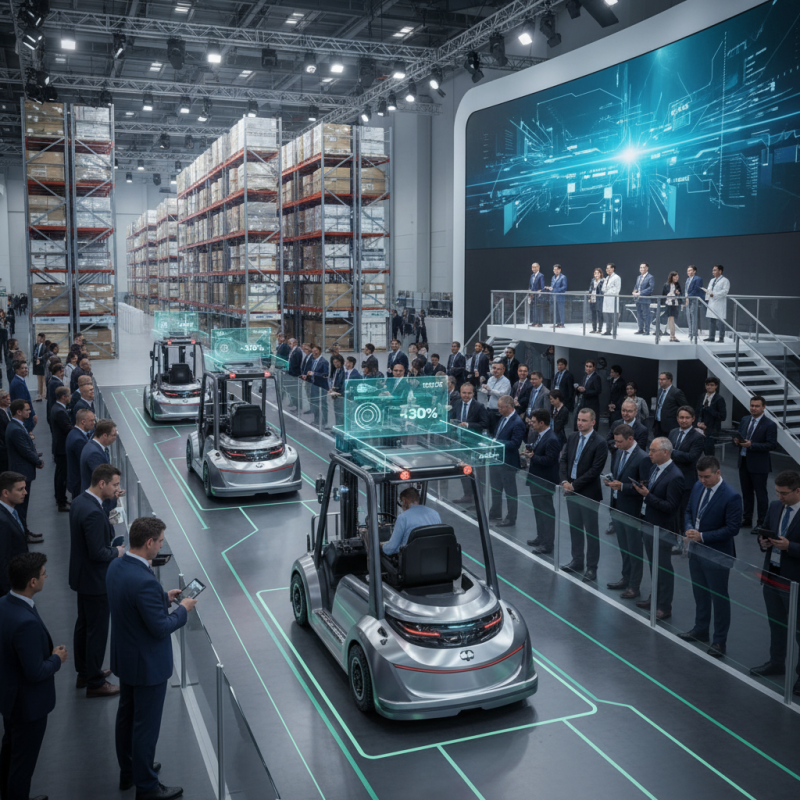
During the expo, attendees will witness how these intelligent machines revolutionize warehouse management. They can navigate complex spaces with precision, enhancing productivity and safety. With features like real-time navigation and predictive maintenance, they adapt to the dynamic needs of modern logistics.
However, reliance on such technology brings challenges. Companies must ensure proper training for operators. Mismanagement could lead to accidents or inefficiencies. The balance between automation and human oversight is crucial. This balance requires reflection as industries evolve in the pursuit of innovation. Embracing intelligent forklifts is a step toward a smarter future, but it demands responsibility and careful integration.
Benefits of Using Intelligent Forklifts in Modern Warehousing
In modern warehousing, intelligent forklifts are reshaping logistics. They enhance efficiency significantly. Reports indicate that warehouses using automation can see a 20-30% productivity increase. This boost can lead to faster order fulfillment and improved inventory accuracy. Intelligent forklifts also reduce human error. In high-paced environments, a single mistake can cost time and money.
Safety is another crucial aspect. According to industry data, facilities that implement intelligent machinery report a 50% reduction in workplace accidents. Operators feel more secure when machines handle challenging tasks. These forklifts come equipped with advanced sensors and AI, which help in navigating complex environments.
Cost savings shouldn’t be overlooked. Intelligent systems may have higher initial costs, but they offer long-term savings through reduced labor and operational costs. Companies can optimize their workforce and allocate staff to strategic areas. However, some firms may struggle with the technology gap. Transitioning to smart solutions requires training and adjustment. This challenge should not be ignored.
Technological Innovations in Intelligent Forklift Design
Intelligent forklifts represent a significant leap forward in material handling technology. Their design incorporates advanced sensors and AI algorithms. These features offer real-time data analysis, improving warehouse efficiency. With enhanced navigation systems, intelligent forklifts adapt to dynamic environments. They can reroute themselves seamlessly, avoiding obstacles effectively. This adaptability boosts productivity but also poses challenges. Operators must be trained to handle unexpected scenarios.
The ergonomic designs of these forklifts cannot be overlooked. Comfort for the operator is prioritized. This includes adjustable seats and intuitive controls. Reducing operator fatigue leads to higher performance. Yet, there is still room for improvement. Some users report initial difficulties in adjusting to new systems. The learning curve can be steep, impacting workflow temporarily.
Sustainability is another key innovation in intelligent forklift design. Many models now feature electric power systems. This reduces emissions significantly, aligning with global green initiatives. However, the charging infrastructure is still developing. Delays in charging can hinder operations. Exploring alternative energy sources may be necessary. Balancing efficiency and sustainability is an ongoing challenge in this evolving landscape.
Comparative Analysis: Traditional vs. Intelligent Forklifts
In recent years, forklifts have seen significant advancements. Intelligent forklifts are now entering the market at a rapid pace. According to a report by the Global Forklift Truck Market, 2025 is projected to see a 15% increase in adoption. What drives this growth? Safety and efficiency.
Traditional forklifts often require manual operation. This can lead to human error, resulting in accidents and damage. Data shows that workplaces using intelligent forklifts reduce accidents by up to 40%. These smart machines utilize sensors and AI to enhance safety. They monitor surroundings and prevent collisions effectively.
On the efficiency front, intelligent forklifts can also optimize load handling. They learn from previous operations, adjusting for better performance. Research indicates that businesses using intelligent systems see productivity gains of around 20%. However, these systems can be expensive. Many companies hesitate to invest in new technology. Training is also a concern, as workers must adapt to advanced systems. Future adoption rates may depend on addressing these issues.
Impact of Intelligent Forklifts on Operational Efficiency
Intelligent forklifts are changing the way industries operate, especially at events like the 2026 China Import Expo. These advanced machines enhance operational efficiency in several ways. They can navigate warehouses with precision, reducing time spent on logistics tasks. Manually operated forklifts often lead to delays, but intelligent systems streamline these processes.
Moreover, intelligent forklifts are equipped with real-time data analytics. This feature helps operators make informed decisions quickly. For instance, they can monitor battery levels or detect potential maintenance needs, minimizing downtime. However, relying solely on technology can also create challenges. Operators may struggle to adapt to new systems. There can be a learning curve, and not every worker may be comfortable with advanced machinery.
The impact on productivity is undeniable. Intelligent forklifts can increase speed and accuracy, but they are not a silver bullet. Some facilities may require additional training for employees. It's important to address these gaps to fully realize potential gains. Balancing technology with human capabilities remains a crucial consideration.
Future Trends in Intelligent Forklifts and Industry Adoption
Intelligent forklifts are transforming the logistics industry. At the 2026 China Import Expo, future trends in these machines will be a focal point. Automation is on the rise, with forecasts predicting that over 50% of warehouses will adopt intelligent equipment by 2028. This shift highlights a growing acceptance of technology in material handling.
Adoption brings challenges. Many companies are hesitant due to upfront costs and training needs. Data from recent studies shows 30% of warehouses have not yet implemented smart technologies. Change can be daunting, but the benefits are clear. Intelligent forklifts can boost efficiency by up to 30%. They reduce human error and increase safety on the warehouse floor.
- Tip: Before adopting intelligent forklifts, assess your current operations. Identify bottlenecks and potential improvements.
Another trend is the integration of AI and IoT in forklifts. This technology allows real-time tracking and data analysis. However, there are concerns about cybersecurity risks. Companies must be aware of these potential threats as they innovate.
- Tip: Regular training for staff is essential. Ensure everyone is up to speed with new technologies and safety protocols.
Growth of Intelligent Forklifts Adoption (2020-2026)
The chart above illustrates the projected growth of intelligent forklifts adoption from 2020 to 2026, showcasing an increase from 15% to 90% as the industry embraces automation and smarter technologies.