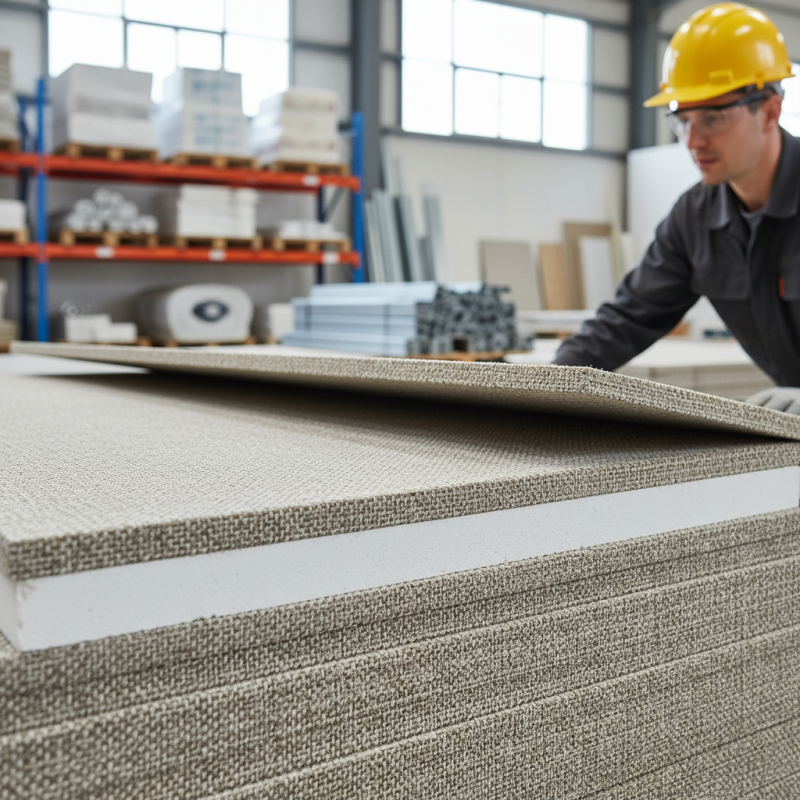
10 Essential Tips for Sourcing Cloth-faced Gypsum Board?
When it comes to sourcing Cloth-faced Gypsum Board, understanding the nuances of the process is crucial. This type of board integrates a cloth layer that enhances durability and aesthetics. As construction projects evolve, so do the demands for materials like Cloth-faced Gypsum Board.
Selecting the right suppliers requires attention to detail. Not all boards are created equal. Variations in quality can affect performance in the long term. Moreover, sourcing from credible manufacturers can ensure compliance with industry standards.
Buyers often overlook the importance of certifications and testing for these materials. A little research into a supplier’s background can provide significant insights. Investing time in sourcing may lead to better quality products and project durability. It is a challenging process, but carefully considering each aspect can lead to successful outcomes.
Understanding Cloth-faced Gypsum Board: Key Features and Benefits
Cloth-faced gypsum board is gaining popularity in construction and design. Its unique surface combines aesthetics with functionality. The fabric surface not only enhances the look but also provides sound absorption. This board is ideal for spaces like theaters and conference rooms, where acoustics matter.
One notable feature of cloth-faced gypsum board is its durability. The fabric layer helps protect the core from damage. This makes it suitable for high-traffic areas. However, it's important to consider installation challenges. Achieving a tight and smooth installation requires experience.
Maintenance of cloth-faced gypsum board can also pose some questions. While the fabric is easy to clean, it can be susceptible to staining. Regular upkeep is essential for maintaining its visual appeal. Users should weigh the benefits against potential drawbacks in both aesthetics and care. This thoughtful approach can lead to successful sourcing and application.
Identifying Quality Standards for Cloth-faced Gypsum Board Sourcing
When sourcing cloth-faced gypsum board, understanding quality standards is critical. The International Organization for Standardization (ISO) sets benchmarks that manufacturing companies should follow. Notably, the ISO 9001 standard covers quality management systems, ensuring consistency in product quality. Reports indicate that boards adhering to these standards have a defect rate of less than 5%.
Quality assessments often include examining the board's physical attributes. Check for uniform thickness and consistent coloration. A smooth, wrinkle-free surface is an indicator of good manufacturing practices. Remember, visual flaws can affect project outcomes significantly.
Tip: Always request certification documentation from suppliers. This includes test results and compliance reports. Ensure the products have passed fire-resistance tests, as moisture and heat can greatly impact performance.
In addition, review customer feedback and industry reports. Up to 35% of construction failures arise from poor material choices. Engaging with knowledgeable professionals in the industry can provide insights into reliable sources. Prioritize suppliers with a track record of quality and compliance. Regular audits and on-site inspections can serve as a safety net against sourcing issues.
Evaluating Suppliers: Criteria for Selecting Reliable Manufacturers
Selecting reliable manufacturers for cloth-faced gypsum board requires careful evaluation. Start by assessing each supplier's credentials. Look for manufacturers with established reputations. Industry certifications indicate a commitment to quality.
In your search, evaluate the quality of their products. Request samples to examine specifications firsthand. Ensure that the boards meet your project requirements. Consider the supplier’s production capacity as well. This impacts delivery times and project timelines significantly.
Here are some essential tips: Verify the supplier’s experience in the industry. Longevity often reflects reliability. Assess customer reviews and testimonials, which can provide insight into their practices. Don't hesitate to ask for references from previous clients. Gathering information from various sources enhances your understanding of the supplier's trustworthiness.
Supplier Evaluation Criteria for Gypsum Board
This bar chart displays the evaluation criteria scores used to assess suppliers of cloth-faced gypsum board. Each criterion is rated on a scale from 0 to 100, providing insights into how various factors such as quality, cost, and sustainability impact supplier selection.
Cost Analysis: Budgeting for Cloth-faced Gypsum Board Procurement
When considering cloth-faced gypsum board procurement, cost analysis is crucial. Begin by estimating total expenses, including materials and labor. Gypsum board price can vary widely based on quality and supplier. Researching and comparing options can save money in the long run. It’s essential to factor in transportation costs and storage fees too. Sometimes, suppliers may offer bulk discounts, which can impact your budget positively.
Another consideration is the lifecycle cost of the gypsum board. Cheaper materials may save money initially, but durability is critical. Investing in quality can prevent future repairs, thus saving on long-term expenses. Energy efficiency might also reduce utility bills over time. Always evaluate the long-term benefits instead of making impulsive choices based on initial pricing. Seek advice from professionals in the field, but remain cautious. Not all recommendations will suit your budget or project needs. Think critically about every aspect of the sourcing process. Balancing quality with cost is challenging but necessary for a successful outcome.
Sustainability Considerations in Cloth-faced Gypsum Board Sourcing
Sourcing cloth-faced gypsum board requires a deep commitment to sustainability. The construction industry generates approximately 40% of global carbon emissions. Using sustainable materials can help reduce this impact significantly. Cloth-faced gypsum board is often made from recycled content, contributing to a circular economy. A recent study estimates that using recycled materials can cut down the energy consumption by up to 30%.
When considering cloth-faced gypsum board, it's crucial to evaluate the suppliers’ sustainability practices. Look for certifications like LEED or GreenGuard. These endorsements reflect a commitment to environmental stewardship. Engaging suppliers who prioritize environmentally friendly production helps promote responsible sourcing. Transparency in the supply chain is vital. Understand where materials come from and their impact on the environment.
Recyclability is another essential factor. Not all cloth-faced gypsum boards offer the same end-of-life options. Some may not be easily recyclable, leading to greater landfill waste. Assessing a product’s lifecycle can reveal the real sustainability quotient. It's essential to prioritize suppliers who provide clear information about their products’ lifespan and recyclability. Staying informed about innovation in sustainable materials can guide better decisions in sourcing cloth-faced gypsum board.
10 Essential Tips for Sourcing Cloth-faced Gypsum Board - Sustainability Considerations in Cloth-faced Gypsum Board Sourcing
| Tip Number | Tip | Sustainability Aspect | Source of Material |
| 1 | Verify Recycled Content | Reduces landfill waste | Manufacturers' certifications |
| 2 | Choose Low-VOC Options | Improves indoor air quality | Product specifications |
| 3 | Assess Life Cycle Impact | Evaluates long-term sustainability | Formal LCA reports |
| 4 | Check for Energy Efficiency | Lowers energy consumption | Energy performance ratings |
| 5 | Select Responsibly Sourced Fibers | Supports sustainable forestry | Sourcing declarations |
| 6 | Evaluate Certifications | Ensures compliance with standards | ISO, LEED, etc. |
| 7 | Consider Durability | Reduces replacement frequency | Manufacturer’s guidelines |
| 8 | Research Local Suppliers | Minimizes transportation emissions | Local sourcing initiatives |
| 9 | Inquire about End-of-Life Options | Facilitates recycling | Manufacturer policies |
| 10 | Review Cost vs. Benefits | Ensures value for money | Cost analysis reports |