Why is Cross Arm Bolt Essential for Your Projects?
In the world of construction and engineering, the choice of materials can greatly influence a project's success. Among these, the cross arm bolt stands out as a crucial component. This simple yet effective fastener plays a vital role in ensuring structural integrity. It helps in securing beams, poles, and other frameworks effectively. Without reliable cross arm bolts, even the sturdiest frameworks can fail under pressure.
Many professionals often underestimate the importance of these bolts. They may view them as mere accessories rather than essential support elements. This perspective can lead to significant issues down the line. A project can face unexpected challenges due to inadequate fastening solutions. Thus, understanding the significance of cross arm bolts is key for anyone involved in construction.
The varied applications of cross arm bolts further highlight their versatility. From utility poles to signage, these bolts are indispensable. Proper use ensures safety and durability, contributing to a project's overall success. Ensuring you select high-quality cross arm bolts is vital. Quality impacts performance, and installation should be done with care. An overlooked bolt can lead to costly repairs or even accidents. Therefore, investing in the right cross arm bolts is a decision that can’t be taken lightly.
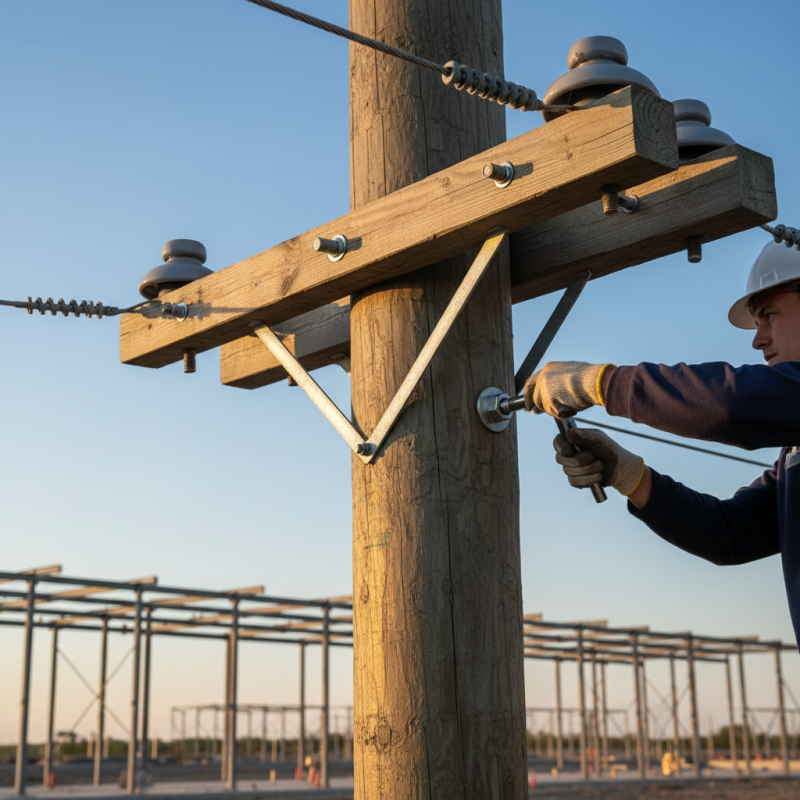
Importance of Cross Arm Bolt in Structural Integrity
Cross arm bolts play a critical role in maintaining the structural integrity of various projects. They connect key components, allowing for better load distribution. A study by the American Institute of Steel Construction indicates that proper fastening can increase overall stability by up to 30%. Properly installed cross arm bolts help prevent catastrophic failures, particularly in high-stress applications.
When considering factors like wind loads and seismic activity, the importance of these bolts becomes apparent. Insufficient quality or poor installation can lead to alarming outcomes. According to the Structural Engineering Institute, inadequate fastening contributes to approximately 10% of structural failures. Regular inspections can ensure the efficacy of cross arm bolts, highlighting their role in safety and longevity.
Designers and engineers often overlook these small yet vital components. They focus primarily on larger structural elements. However, the right choice of materials and installation techniques for cross arm bolts can make a huge difference. Investing in quality connections is essential for any project's success and reliability. The overlooked details can lead to costly repairs or safety risks down the line.
Importance of Cross Arm Bolt in Structural Integrity
The chart above illustrates key properties of cross arm bolts that contribute to their importance in structural integrity. These properties include load capacity, fatigue resistance, corrosion resistance, and cost per unit. Understanding these factors can help in making informed decisions for construction projects.
Key Applications of Cross Arm Bolts in Various Industries
Cross arm bolts play a vital role in various industries, ensuring structural integrity and operational safety. These bolts are widely used in electrical transmission and telecommunication sectors. In power distribution, they secure cross arms that support wires on utility poles. According to the International Electrotechnical Commission, proper fastening can enhance the reliability of overhead lines by up to 30%. This highlights their significance in reducing outages.
In the construction sector, cross arm bolts facilitate stable connections for scaffolding systems. They are essential in large-scale projects, contributing to both safety and structural strength. Reports suggest that improper fastening may lead to up to 20% of construction accidents. This alarming data emphasizes the need for using high-quality bolts that meet industry standards. Careful selection and installation are crucial, as even small lapses can compromise project safety.
Cross arm bolts are also utilized in transportation infrastructure, such as bridges and railways. Here, they assist in holding components together under enormous loads. Engineers often rely on them to maintain alignment and support heavy traffic loads. However, the installation process can be fraught with challenges. Poorly installed bolts may corrode or loosen, leading to costly repairs. Thus, ongoing inspection and maintenance are essential for long-term effectiveness.
Material Selection for Durable Cross Arm Bolts
When selecting materials for cross arm bolts, durability is paramount. The right materials ensure long-lasting structural integrity. Steel alloys are commonly preferred for their strength and resistance to deformation. They can handle heavy loads and resist corrosion when properly treated.
Consider stainless steel for environments prone to moisture or harsh chemicals. This material offers excellent corrosion resistance. Additionally, galvanized steel can be an economical choice for outdoor applications. It provides protection from rust and extends the lifespan of your projects.
**Tips:** Always assess the specific environmental conditions your cross arm bolts will face. Conduct material tests to ensure optimal performance. Regular maintenance is crucial to spot wear and tear early on. Keeping these factors in mind will enhance the reliability of your installations.
Installation Best Practices for Cross Arm Bolts
Cross arm bolts play a crucial role in ensuring structural integrity in construction projects. Their proper installation is essential for safety and durability. When it comes to installation best practices, attention to detail can make a significant difference.
Using the right tools is key. Ensure you have a torque wrench and a level on hand. This will help achieve the correct tension. Apply anti-seize lubricant to bolts to prevent corrosion. Remember to inspect each bolt before installation. Small defects can lead to big problems.
Tip: Always wear safety gear during installation. This includes gloves and goggles. It is easy to overlook safety, but accidents can happen quickly.
Once the bolts are in place, double-check the alignment. Misalignment can compromise the structure's stability. It may take extra time, but rechecking can save you from costly future repairs. Additionally, consult installation guidelines specific to your project. These guidelines provide valuable insights that can improve your outcomes.
Why is Cross Arm Bolt Essential for Your Projects? - Installation Best Practices for Cross Arm Bolts
| Project Type | Importance of Cross Arm Bolts | Installation Best Practices | Common Materials Used |
| Telecommunications | Providing structural support for cables | Ensure proper torque settings are followed | Steel, Aluminum |
| Power Distribution | Critical for safety and stability | Inspect bolts for wear before installation | Galvanized Steel, Stainless Steel |
| Transportation | Securing overhead structures | Use lock washers to prevent loosening | High-Strength Steel |
| Construction | Ensuring load distribution | Align bolts correctly during installation | Carbon Steel, Alloy Steel |
Maintenance and Inspection for Longevity of Cross Arm Bolts
The maintenance and inspection of cross arm bolts are crucial for ensuring their longevity and reliability. Regular check-ups help identify wear and tear, preventing catastrophic failures in your projects. A well-maintained cross arm bolt can support structures effectively over time. Inspect the bolts for corrosion, loosening, or any signs of fatigue. If you notice anomalies, immediate action is necessary to avoid further damage.
It's essential to create a routine inspection schedule based on environmental conditions. Extreme weather can affect bolt integrity. Documenting conditions and findings can provide valuable insights over time. This helps in tweaking maintenance schedules for better performance.
Caution is needed when replacing any components. Substituting quality bolts with inferior ones can lead to serious issues. Sometimes, even well-maintained bolts show wear earlier than expected, prompting reevaluation. Adopting a proactive maintenance strategy can extend their functional life while ensuring safety in your projects.