How to Choose the Right Pressure Gauges for Your Needs?
Choosing the right pressure gauges can be a daunting task. With various options and specifications, it’s essential to consult experts in the field. Dave Johnson, a leading engineer at Precision Gauges Corp, emphasizes, “Selecting the right gauge can make all the difference in performance and accuracy.”
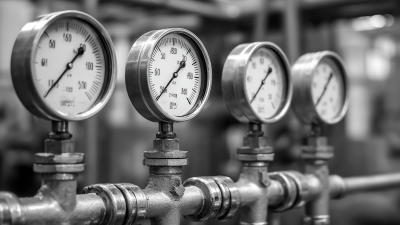
Pressure gauges are crucial in many industries, from manufacturing to HVAC systems. They measure pressure levels accurately, ensuring safety and efficiency. Different applications may require different types of gauges, such as analog, digital, or absolute pressure gauges. Each type has its strengths and weaknesses, making informed selection vital.
It’s easy to feel overwhelmed by the technical details. Gauges vary widely in price and functionality. Trying to balance cost with quality can lead to mistakes. Reflecting on specific needs helps narrow choices down. In this competitive industry, making an informed decision reflects a commitment to precision and reliability in operations.
Understanding the Different Types of Pressure Gauges Available
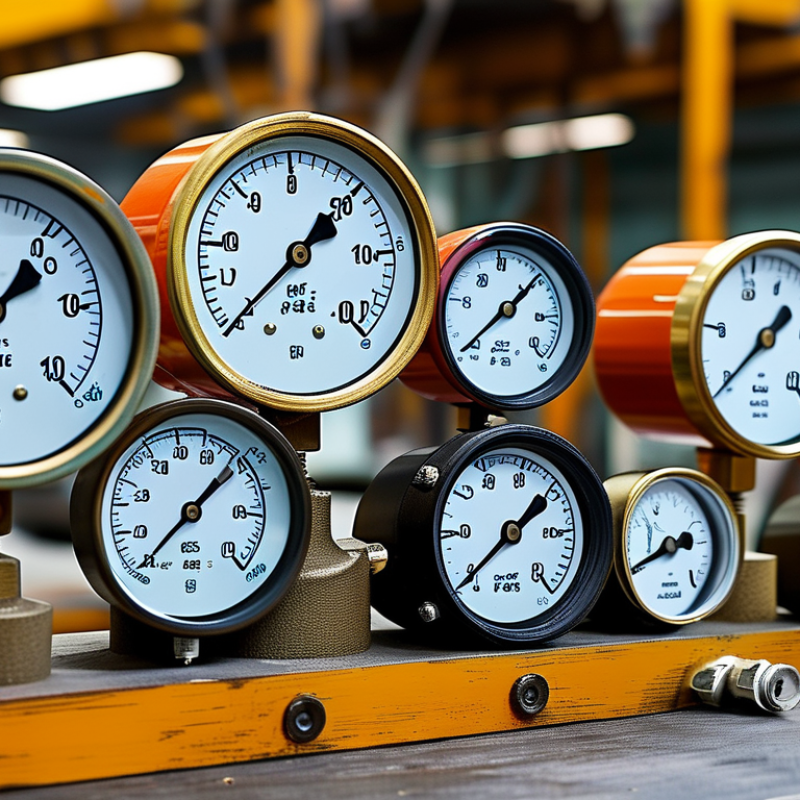
When selecting a pressure gauge, it’s crucial to understand the various types available.
Analog gauges use a dial and needle to display pressure.
They are simple and reliable.
Digital gauges offer precise readings on a screen.
They can show pressure in various units, which adds versatility. Each type has its pros and cons, affecting accuracy and ease of use.
Additionally, consider the application conditions. Some gauges are better suited for high-pressure environments.
Others may work well in low-pressure settings. The materials used in construction matter too.
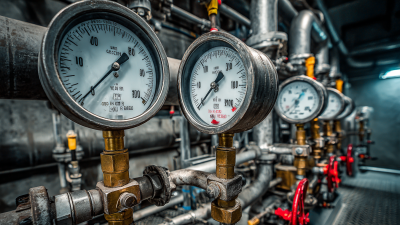
Corrosion-resistant materials are essential if you use gauges in harsh environments.
Remember, different industries have specific needs. A gauge that works well for one may not suit another.
Choosing the right pressure gauge can feel overwhelming.
It’s important to reflect on your requirements.
What pressure range do you need?
How accurate do you want the readings? Think about the conditions where the gauge will operate.
Don’t rush this decision; it will impact your operations.
Make sure to gather information and consult experts when in doubt.
Key Factors to Consider When Selecting Pressure Gauges
Choosing the right pressure gauge can seem overwhelming. Several key factors will guide your decision. Accuracy is crucial. The right gauge should reflect true pressure levels. Assess the gauge’s calibration and range. Different applications require different ranges. An industrial setting may need a wider range than a laboratory.
Material construction affects durability and performance. Consider the environment where it will be used. High temperatures or exposure to corrosive mediums demand specific materials. Stainless steel gauges are often recommended for harsh environments. Also, think about the mounting options. Certain installations may require special fittings.
Pressure gauges come in various display types. Analog gauges offer simplicity, while digital gauges provide advanced features. Each type has its pros and cons. Reflect on how you'll read and interpret the data. A digital display may be easier for some users. Gauge size can also impact visibility and ease of use. When in doubt, consult with an expert. Their insights can help bridge knowledge gaps and lead you to a better choice.
Assessing Accuracy and Range Requirements for Your Application
Selecting the right pressure gauge requires a thorough assessment of
accuracy and range. Accuracy is critical in applications where
precise measurements impact safety and performance. According to a report by the International Society of Automation,
accuracy levels of pressure gauges can vary significantly—some may achieve an accuracy of ±0.5% of full scale,
while others may exceed ±2%.
Range requirements also play a vital role in choosing a gauge.
For instance, if your application involves measuring pressures between 0-300 psi,
a gauge with a range extending beyond this, such as 0-600 psi, may introduce errors due to a wider span.
The American National Standards Institute (ANSI) suggests that the span should be at least
1.5 to 2 times the expected pressure to maintain accuracy.
This guideline ensures that fluctuations in pressure readings do not lead to misleading data.
One must also consider application-specific factors. For example, in
corrosive environments, a gauge designed from
the right materials can withstand the conditions. Even minor choices,
like the type of connection, can affect gauge performance. Industry professionals often
reflect on these details as they impact reliable readings and equipment longevity.
Missing a detail may inadvertently lead to operational discrepancies, affecting not just performance
but also safety protocols. Doing so requires careful review of both
specifications and operational context.
Material and Environmental Considerations for Pressure Gauges
When selecting pressure gauges, material choices are crucial. Different environments require specific materials to ensure longevity and reliable readings. For corrosive environments, stainless steel is often preferred. It resists rust and chemical reactions, making it suitable for various applications. However, not all stainless steel grades are equal in performance. It's essential to choose based on the specific chemicals involved.
In high-temperature settings, materials like bronze or specialized alloys may be necessary. These materials can withstand extreme conditions without compromising accuracy. Think about where the gauge will be used. A gauge exposed to vibrations may need a different design than one in a stable position.
Environmental factors shouldn't be overlooked. Humidity, pressure variations, and temperature shifts impact gauge performance. Some materials may warp or fail under certain conditions. This is another area where careful consideration is required. Avoid the temptation to cut corners with cheaper materials. The long-term costs of failure can be significant, both financially and operationally. Look for gauges that are suited to your unique needs, ensuring reliability in every scenario.
Maintenance and Calibration Tips for Ensuring Reliable Readings
Maintenance of pressure gauges is crucial for ensuring accurate measurements. Regular checks can reveal any discrepancies in readings. This helps to identify any wear and tear. A simple visual inspection can go a long way. Look for leaks or physical damage. Sometimes, calibration may be necessary even if no visible issues arise.
Calibration ensures that your pressure gauge provides reliable results. It involves comparing the gauge against a known standard. For best results, follow manufacturer guidelines for frequency. Temperature and environmental conditions can affect readings. If your gauge is in a constantly changing environment, recalibration might be needed more often.
Consider keeping a maintenance log. Tracking your gauge’s performance over time can highlight recurring issues. This reflective practice can provide insights into when to replace the gauge entirely. Understanding these factors leads to better decision-making for your equipment choices. It’s an ongoing process that warrants close attention.
Pressure Gauge Selection and Reliability