How to Choose the Right Isolation Switch for Your Needs?
Choosing the right Isolation Switch is crucial in various industrial applications. According to a report by MarketsandMarkets, the global isolation switch market is projected to reach $2.2 billion by 2025, growing at a CAGR of 5.2%. This growth underscores the increasing importance of safety and reliability in electrical systems.
Isolation switches are essential for ensuring safe maintenance and minimizing electrical hazards. When selecting one, consider the voltage rating, current capacity, and environmental conditions. Data from the Electrical Safety Foundation shows that electrical faults lead to approximately 30,000 fires annually. Thus, the right switch can significantly enhance safety measures.
Many professionals overlook the importance of compatibility with existing systems. A poorly chosen isolation switch can lead to operational inefficiencies or even mechanical failures. It’s vital to assess specific needs carefully and not rush the selection process. A thoughtful choice can make a difference in both safety and performance.
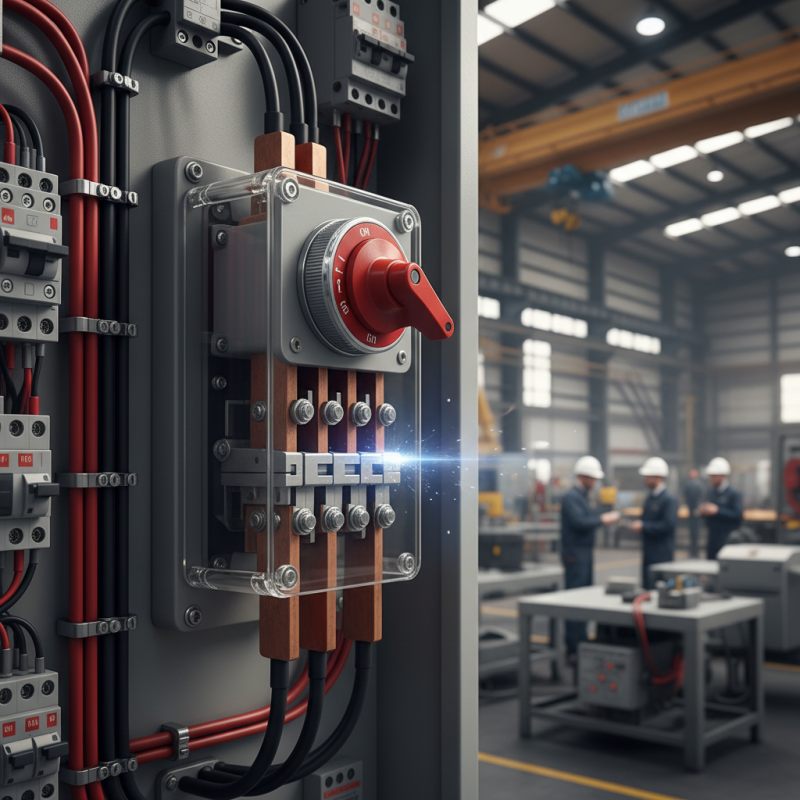
Understanding the Purpose of Isolation Switches in Electrical Systems
Isolation switches play a crucial role in electrical systems. They ensure safety by disconnecting power during maintenance. This prevents accidental shocks and equipment damage. Understanding their purpose is essential for selecting the right type.
Tips: Choose switches based on the load they will handle. Not all switches are the same. Pay attention to voltage and current ratings to ensure compatibility. Regular inspections can help identify wear and tear. This improves reliability.
Isolation switches also protect sensitive equipment. In case of a fault, they isolate power, limiting damage. However, the wrong choice can lead to serious issues. Users should consider environmental factors, such as moisture and temperature. Not every switch is suitable for all locations.
Choosing the correct isolation switch requires careful thought. It is a decision that impacts safety and efficiency. Sometimes, the best option might be the simplest one. Redundancy might seem unnecessary, but it can save time and costs in the long run. Always reflect on past experiences before making a final choice.
Key Factors to Consider When Selecting an Isolation Switch
Choosing the right isolation switch requires careful consideration of several key factors. One of the most important aspects is the voltage and current rating. According to the IEC 60947-3 standard, the switch must match or exceed the system's electrical characteristics. A mismatch can lead to unsafe conditions. Using a switch rated too low can cause failure or overheating.
Another critical factor is the environmental conditions in which the switch will operate. A report from the International Electrotechnical Commission states that over 15% of electrical failures are due to unsuitable environmental conditions. Factors like humidity, temperature, and the presence of corrosive agents can significantly affect switch performance. For example, using a standard switch in a damp environment can lead to rapid degradation.
Lastly, consider the installation process. Some switches require more space than others. Tight spaces can complicate installation and maintenance. A study by the National Electrical Manufacturers Association revealed that 20% of maintenance costs arise from accessibility issues. Selecting a switch that fits well in the designated area can save time and resources in the long run.
Comparing Different Types of Isolation Switches Available
When selecting the right isolation switch, understanding the available types is essential. Common types include manual switches, rotary isolators, and fused isolation switches. Each type has unique applications and features. For example, manual switches require physical operation, making them simple but less convenient in remote applications. Rotary isolators offer a compact design and can be quickly operated, which is beneficial in emergency situations.
Fused isolation switches integrate a fuse to protect circuits from overloads. According to industry reports, these switches can reduce equipment failure rates by up to 30%. However, they may require more space due to their construction. It's important to balance size, functionality, and safety when making a decision. Many companies overlook the difference between switch ratings. This oversight can lead to inappropriate applications and potential hazards.
Some users struggle with choosing the right ampere rating for their needs. For instance, if a switch is rated at 10A but the application requires 15A, it may fail. Additionally, environmental factors like humidity and temperature can affect switch performance. Research shows that up to 20% of equipment failures may be attributed to unsuitable isolation switches. Making informed decisions is crucial in avoiding unnecessary system downtime.
Evaluating Electrical Ratings and Compatibility for Isolation Switches
Choosing the right isolation switch can be challenging. Evaluating electrical ratings is crucial for safety. Start by checking the voltage and current ratings. Ensure they match your system's requirements. Incorrect ratings can lead to failure or hazardous conditions. So, be meticulous in this process.
Compatibility is another important factor. Consider the switch's design and intended application. Isolation switches come in various forms. Some are suited for industrial use, while others fit residential systems. Inspect the materials used in construction. They should withstand your environment’s conditions. Look for weather-resistant options if needed.
Don’t overlook the operational mechanism. Some switches might feel intuitive while others might require adjustments. Think about user experience. Ease of operation can influence safety. Evaluate how often it will be used, and in what conditions. Reflection on these details matters; making an informed choice reduces potential risks.
Installation and Maintenance Considerations for Isolation Switches
When installing an isolation switch, location matters. It should be easily accessible for quick use during emergencies. Avoid placing it in hard-to-reach spots. Think about potential obstructions, like equipment or cabinets. Some areas may have moisture issues. Make sure the switch you choose is rated for such environments.
Regular maintenance is crucial for ensuring safety and reliability. Inspect the switch periodically for signs of wear, corrosion, or damage. Clean the contacts to maintain good conductivity. Pay attention to any unusual noises or sparks when operating the switch. These could indicate underlying issues. It's easy to overlook small problems, but they can lead to bigger ones.
Installation should follow safety guidelines. Ensure all connections are tight and secure. Mistakes can happen, even for seasoned professionals. Using a checklist can help reduce errors. After installation, test the switch to confirm it functions correctly. Being proactive today can save you headaches tomorrow.