How to Choose the Right Boomless Spray Nozzle?
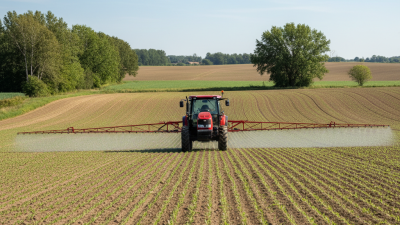
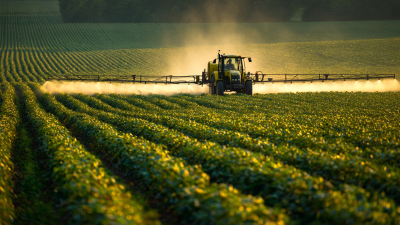
Choosing the right boomless spray nozzle is not simply a matter of selecting the widest spray pattern. It requires attention to terrain, target coverage, chemical label directions, water volume, pressure, and wind. A nozzle that performs well across an open pasture may produce uneven coverage beside fences, trees, ditches, or irregular field edges. Small decisions matter.
Dr. Tom Wolf, a respected spray-application specialist and co-founder of Agrimetrix Research & Training, has stated, “The nozzle is the most important component of the sprayer.” His point remains practical: the nozzle determines how liquid leaves the machine, how droplets travel, and where they finally land. With a boomless spray nozzle, those effects become more visible because the spray pattern depends heavily on pressure, height, orifice design, and operating speed.
A useful selection process begins with the job itself. Are you treating roadsides, pasture weeds, drainage banks, or rough ground? Measure the expected width rather than trusting a product photograph. Check the manufacturer’s flow chart, then compare it with your pump capacity and travel speed. Droplet size deserves equal attention. Fine droplets may improve contact coverage, but they can drift in light wind. Coarser droplets may reduce drift, yet leave hidden leaf surfaces untreated. There is no perfect setting.
Field experience also exposes uncomfortable details. A clogged strainer can distort the pattern within minutes. Low pressure can create weak edges. Excessive pressure may create unwanted mist. Even experienced operators sometimes choose convenience over calibration. This guide examines those trade-offs and explains how to select a boomless spray nozzle with greater confidence, safer judgment, and more consistent coverage.
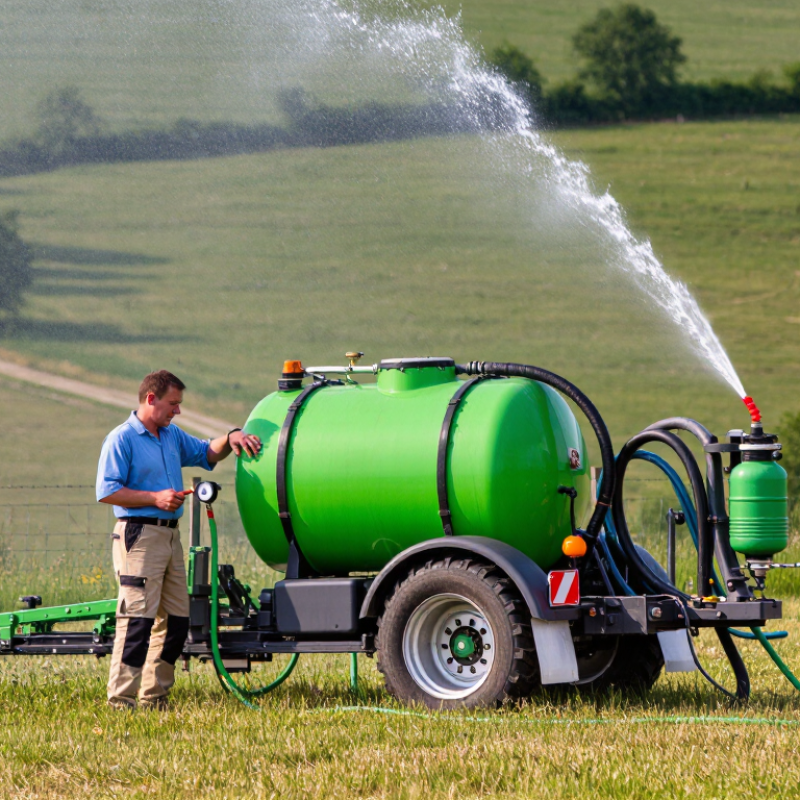
Identify Boomless Nozzle Types by 20–50 PSI Operating Pressure
How to Choose the Right Boomless Spray Nozzle?
Identify Boomless Nozzle Types by 20–50 PSI Operating Pressure
Operating pressure offers a practical way to compare boomless nozzle performance. It does not define nozzle type alone. Design, orifice size, spray angle, and liquid properties also matter.
At 20–30 PSI, wide-angle deflector nozzles usually produce a softer, broader pattern. They suit open ground and moderate coverage speeds. Larger droplets may reduce drift, but coverage can become uneven in wind. I have found a pressure gauge more reliable than relying on a tractor’s display.
At 30–40 PSI, adjustable-pattern and dual-direction nozzles often provide a useful balance. Their streams can reach both sides of the sprayer, improving coverage near field edges. The exact pattern still depends on nozzle height and liquid volume. A simple water test can reveal dry strips that pressure readings miss.
At 40–50 PSI, high-output boomless nozzles generally create finer droplets and longer spray reach. They can cover wider areas, yet wind sensitivity increases quickly. Avoid choosing the highest pressure automatically. More pressure may improve reach, but it can also increase drift and shorten wear life. That assumption deserves checking.
Place a container beneath the spray for one minute. Compare collected volumes across several positions. Uneven results suggest a poor setup, not necessarily a defective nozzle. Calibration takes patience. Mistakes happen.
How to Choose the Right Boomless Spray Nozzle? - Identify Boomless Nozzle Types by 20–50 PSI Operating Pressure
| Boomless Nozzle Type |
Typical Operating Pressure |
Representative Spray Pattern |
Approx. Spray Width* |
Droplet Character |
Flow at 20 PSI |
Flow at 30 PSI |
Flow at 40 PSI |
Flow at 50 PSI |
Best Application |
| Single-Deflector Broadcast |
20–40 PSI |
Wide, fan-shaped discharge from one deflector |
14–24 ft |
Medium to coarse |
0.95 L/min |
1.16 L/min |
1.34 L/min |
1.50 L/min |
General pasture, roadside, and field-edge spraying |
| Dual-Outlet Boomless |
30–50 PSI |
Two angled streams for balanced left-and-right coverage |
18–30 ft |
Medium |
1.15 L/min |
1.41 L/min |
1.63 L/min |
1.82 L/min |
Large open areas requiring a wider, more even pattern |
| Wide-Angle Deflector |
20–50 PSI |
Low-profile fan with broad horizontal distribution |
24–40 ft |
Medium to coarse |
1.45 L/min |
1.78 L/min |
2.05 L/min |
2.29 L/min |
High-acreage coverage where maximum width is important |
| Adjustable-Deflector Nozzle |
20–40 PSI |
Adjustable stream or fan for variable coverage |
10–26 ft |
Medium to coarse |
0.80 L/min |
0.98 L/min |
1.13 L/min |
1.26 L/min |
Mixed areas, spot treatment, and changing target distances |
| Narrow-Angle Stream |
30–50 PSI |
Concentrated directional stream with limited lateral spread |
8–16 ft |
Medium to coarse |
0.65 L/min |
0.80 L/min |
0.92 L/min |
1.03 L/min |
Fence lines, ditches, banks, and targeted vegetation control |
*Spray width depends on nozzle height, deflector design, liquid properties, wind, and terrain. Flow figures are representative values for comparison; actual output should be verified with a timed collection test. Flow generally increases with the square root of pressure, so raising pressure also increases drift risk and may produce finer droplets.
Match Nozzle Flow Rate to Tank Capacity and Application Speed
Choosing a boomless spray nozzle starts with three measured values: tank capacity, travel speed, and effective spray width. The width is easy to overestimate. I once used the manufacturer’s stated pattern, but uneven terrain reduced the usable swath. Measure the wetted width in the field instead.
University of Nebraska–Lincoln Extension calibration guidance uses this equation: nozzle flow rate equals application rate multiplied by speed and width, divided by 594. For example, a 15-gallon-per-acre target, 6-mph speed, and 30-foot swath require about 4.55 gallons per minute. A 500-gallon tank then covers roughly 33 acres before refilling. At that speed, the theoretical work rate is about 21.8 acres per hour. Real output will be lower.
Pressure matters too.
Flow changes with the square root of pressure, as recognized in ASABE S572.1 spray classification practice. Raising pressure from 40 to 60 psi does not increase flow by 50%; it increases flow by about 22%. That mistake can quietly over-apply material. Check the nozzle into a measuring container for one minute, then compare the result with the calculated rate. Small errors become costly across a full tank. Keep the speed steady, because a slower pass increases application volume per acre. My first calculation looked precise, but wind and slope exposed its weak assumption. Recheck it in actual field conditions.
Select Droplet Sizes from 100–400 Microns to Control Spray Drift
Choosing the right boomless spray nozzle begins with droplet size, not spray width. ASABE S572.1 classifies droplets from 100 to 400 microns across fine, medium, coarse, and very coarse categories. Droplets below 150 microns remain highly vulnerable to wind, according to drift research summarized by the USDA Agricultural Research Service. They can travel beyond the target area before reaching the ground.
For open fields, 250–400 micron droplets usually provide a more practical balance between coverage and drift control. Coarse droplets resist wind better, but they may leave fewer droplets on narrow leaves. Fine droplets can improve surface coverage, especially on dense vegetation. Small is not always better. A boomless nozzle should match droplet size with spray height, travel speed, humidity, and wind.
Field checks often reveal a simple mistake: operators select a nozzle by flow rate alone. That approach ignores droplet behavior. At 300 microns, a droplet has substantially more mass than one near 100 microns, so it falls faster and drifts less under similar conditions. The U.S. Environmental Protection Agency’s spray-drift assessments also emphasize weather and application settings as major exposure factors. In practice, verify the nozzle’s tested droplet spectrum, then inspect the pattern at working height. A stable spray pattern matters more than impressive coverage claims. Data helps, but field conditions remain imperfect.
Calculate Coverage Width Using Swath Ranges of 15–40 Feet
How to Choose the Right Boomless Spray Nozzle?
Calculate Coverage Width Using Swath Ranges of 15–40 Feet
Choosing a boomless spray nozzle starts with its real coverage width, not the advertised range alone. A nozzle may cover 15 feet at a low height, while reaching 40 feet only at greater height and pressure. Those changes can affect droplet size, drift risk, and spray uniformity. Field conditions matter.
Test with clean water before applying any product. Place markers at both spray edges, then measure the actual swath in feet. Walk or drive a straight pass at your planned speed. Repeat the test in light wind and calm conditions. I once assumed a 30-foot swath from the nozzle chart. That shortcut was wrong. My measured width was closer to 24 feet.
Use the measured width for application calculations. The basic field capacity formula is acres per hour = speed in miles per hour × swath width in feet ÷ 8.25. For example, traveling at 5 mph with a 20-foot swath gives about 12.1 acres per hour. A 40-foot swath at the same speed doubles the theoretical capacity, but only if overlap remains controlled. Mark the centerline and check the edge pattern after each adjustment. Uneven edges may require lower speed, different pressure, or a narrower setting. Keep written notes. Small changes can matter.
Verify Chemical Compatibility, Wear Resistance, and ISO Flow Ratings
How to Choose the Right Boomless Spray Nozzle?
A boomless spray nozzle must match the chemical, pump, and application conditions. Chemical compatibility comes first. Check the nozzle material against the product’s safety data sheet and technical guidance. Some mixtures can soften plastics, swell seals, or cause cracking after repeated exposure. Do not rely on appearance alone. A nozzle may look clean while its internal passage is already damaged.
ISO flow ratings provide a dependable comparison between nozzle output and operating pressure. Select a rating that fits your pump capacity, then verify the actual flow with a calibrated container and stopwatch. Pressure changes can alter droplet size, coverage, and drift risk. In field testing, small pressure errors have produced surprisingly uneven results. My first selection was not perfect; I focused too much on coverage and overlooked pump limitations.
Tips: Inspect the orifice before every use. Replace worn parts when flow increases noticeably. Compare measured output with the ISO rating, and record the pressure used. Choose wear-resistant materials when spraying abrasive mixtures or working frequently. Rinse the nozzle with an approved cleaning method after application, but avoid harsh cleaners unless compatibility is confirmed. A practical test strip helps reveal gaps, streaks, or excessive overlap before wider use. Recheck the pattern later, because wear rarely develops evenly.
How to Choose the Right Boomless Spray Nozzle?
Verify chemical compatibility, wear resistance, and ISO flow ratings before selecting a nozzle.
Chemical Compatibility
Polypropylene is generally suitable for many agricultural chemicals, while stainless steel offers broader chemical resistance. Always confirm compatibility with the exact formulation, concentration, temperature, and exposure time.
Wear Resistance
Ceramic typically provides the highest abrasion resistance, followed by hardened stainless steel. Polymer nozzles are economical but can wear faster when spraying abrasive suspensions.
ISO Flow Rating
The chart shows nominal ISO 10625 flow rates at 3 bar. Confirm actual flow with a collection test because pressure, wear, liquid density, and nozzle design affect field performance.