How to Choose the Best Soft Wash Pump?
Choosing the best soft wash pump requires more than comparing flow rates and prices. The pump must match chemical exposure, hose length, roof height, and daily workload. Grand View Research valued the global pressure washer market at approximately USD 2.5 billion in 2023. Its forecast also indicates steady growth through 2030. That wider market matters because pump manufacturers increasingly emphasize durability, efficiency, and controlled application. However, pressure-washer data does not perfectly represent soft washing. That difference deserves attention.
AC Lockyer, founder of SoftWash Systems, describes the method clearly: “Soft washing is the process of using low pressure and environmentally friendly chemicals to clean exterior surfaces.” His explanation points toward the central buying principle. A useful soft wash pump should deliver consistent chemical flow without excessive pressure. It should also tolerate common cleaning solutions, support reliable priming, and remain serviceable after repeated use. A pump that looks powerful on paper may fail beside a hot van floor, a 200-foot hose, or a clogged proportioner.
Industry guidance from the Pressure Washers of North America stresses equipment selection, chemical handling, and operator safety. Those recommendations support a practical evaluation, not a rushed purchase. Check gallons per minute, maximum pressure, diaphragm material, voltage, and replacement-part availability. Then test the pump under real conditions. Maybe the advertised flow rate drops sharply at height. That is easy to miss. This guide compares pump types, specifications, maintenance needs, and operating costs, helping contractors choose with stronger evidence and fewer expensive assumptions. Efficiency matters. So does restraint.
Define Soft Washing: Operate Below 1,000 PSI to Protect Surfaces
How to Choose the Best Soft Wash Pump?
Soft washing operates below 1,000 PSI to protect delicate surfaces. In practice, many jobs require far less pressure. The cleaning result comes from solution coverage, dwell time, and controlled rinsing. High pressure can strip paint, loosen siding, or drive water beneath roofing materials. Pressure matters.
Choose a pump that delivers steady flow without excessive force. A moderate flow rate helps cover walls evenly and reduces working time. Check chemical compatibility before selecting seals, hoses, and fittings. Some cleaning solutions can damage unsuitable components quickly. A reliable pressure gauge also helps operators avoid accidental surface damage.
Experienced technicians test a small, hidden area before treating the whole surface. They watch for discoloration, runoff, and changing texture. I have seen operators focus too heavily on pressure ratings and overlook flow consistency. That mistake is costly. A pump may appear powerful, yet produce uneven spray patterns during longer jobs. Regularly inspect connections, filters, and wiring before operation. Keep clear records of pressure settings and surface reactions. This creates useful evidence for future work. Still, every property behaves differently, so a previous setting may not be perfect. Adjust carefully, rather than trusting a fixed formula.
How to Choose the Best Soft Wash Pump?
Soft washing operates below 1,000 PSI, using chemical cleaning solutions and adequate water flow to remove organic growth while reducing the risk of surface damage. Choose a pump that can maintain consistent flow without exceeding this pressure range.
The chart shows common exterior-cleaning pressure ranges. Soft washing remains below 1,000 PSI; higher-pressure methods require greater caution because delicate materials can be damaged by excessive force. Always follow the surface manufacturer’s cleaning guidance.
Match Flow Rate: Select 5.5–10.5 GPM for Professional Cleaning
Choosing a soft wash pump starts with flow, not pressure. For professional cleaning, a practical target is 5.5–10.5 GPM. This range moves solution across siding, roofs, fences, and commercial surfaces efficiently. A 5.5 GPM pump suits smaller crews and moderate hose runs. Higher flow covers wide walls faster, but it also consumes chemical solution and water more quickly. That trade-off matters.
I have found that rated flow is not working flow. Long hoses, restrictive fittings, clogged filters, and elevation reduce output. Test the pump with your actual hose, gun, and nozzle installed. Measure the discharge into a container for one minute. The result reveals the real GPM. Small details count. If your test shows 7.2 GPM from a rated 10 GPM system, plan around 7.2. Do not guess.
For many professional setups, 7–8 GPM offers a useful balance between coverage and solution use. Choose 9–10.5 GPM when surfaces are broad and the water supply can keep pace. Confirm tank drawdown, filter capacity, hose diameter, and pump duty cycle before buying. A narrow hose can quietly waste the pump’s potential. I once focused too heavily on maximum flow and overlooked refill speed. The machine worked, but the crew waited. That mistake changed my selection process. Check recovery time during a realistic cleaning shift, not only during a short shop test.
Choose Chemical-Resistant Pumps for 1–12.5% Sodium Hypochlorite
Choosing the best soft wash pump begins with chemical resistance, not maximum pressure. Sodium hypochlorite from 1% to 12.5% can attack unsuitable metals, plastics, and seals. A pump handling weak cleaning solution may deteriorate when exposed to concentrated bleach. Look beyond the product label. Check the wetted materials, diaphragm or impeller design, valve construction, and seal compatibility. Polypropylene, PVDF, suitable fluoropolymers, and corrosion-resistant elastomers are common options. Compatibility still depends on temperature and exposure time. Manufacturer data should confirm the intended concentration range.
Match the pump to the actual job. Flow rate controls application speed, while moderate pressure helps reduce mist and surface damage. A practical setup needs chemical-resistant tubing, secure clamps, and a compatible strainer. Keep the intake line short. This reduces air leaks and supports consistent dosing. Test the system with clean water first, then use a small, controlled solution batch. Never judge chemical strength by appearance. Clear liquid can still be highly corrosive.
Inspect seals, hoses, and fittings before every use. Rinse the system with clean water after application, following the pump instructions. Store the pump dry, shaded, and away from incompatible chemicals. Ventilation matters. Wear suitable gloves, eye protection, and work clothing. Technicians often find that overlooked fittings fail before the pump body. That mistake is easy to repeat. Chemical compatibility, flow performance, and realistic maintenance habits all deserve equal attention.
Compare 12V, Gas, and Electric Pumps by Power and Portability
How to Choose the Best Soft Wash Pump?
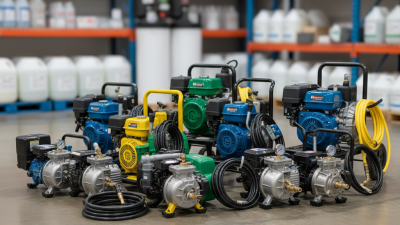
Choosing a soft wash pump starts with the worksite, not the advertised pressure. A 12V pump is lightweight, quiet, and easy to carry between small residential jobs. It works well for siding, fences, and modest roof sections. A battery pack or vehicle connection can keep setup simple. However, its flow may drop when hoses become long or clogged.
Gas pumps provide stronger flow for large roofs, long hose runs, and frequent commercial work. They do not depend on an electrical outlet. That freedom is useful on remote properties. The tradeoff is clear: more weight, engine noise, fuel storage, and regular maintenance.
Electric pumps offer steady performance and usually require less mechanical care. They suit workshops or sites with reliable power. Long extension cords can become awkward, especially around wet ground.
Check both flow rate and chemical compatibility. Pressure alone can mislead you. A pump with impressive pressure may still clean slowly if its flow is limited. During a practical test, measure how quickly the pump fills a marked container through your actual hose.
Small details matter. I once underestimated hose friction and chose a pump that looked adequate on paper. That choice slowed the job and increased fatigue. Portability also includes lifting, storage, and cleanup, not just carrying distance. For occasional work, 12V may be the sensible compromise. For demanding sites, gas often wins. Electric remains attractive when dependable power is close.
Check Duty Cycle, Hose Length, and 50–200-Foot Spray Reach
Choosing a soft wash pump starts with duty cycle, not maximum flow. A pump rated for continuous operation handles repeated roof and wall applications better than an intermittent unit. The U.S. Environmental Protection Agency’s WaterSense at Home guide places pressure-washer flow near 2–5 gallons per minute. That range helps estimate chemical use, refill frequency, and hose losses. For larger properties, a 5-gallon-per-minute pump can reduce waiting time, but only when its duty cycle supports sustained work.
Hose length controls practical spray reach. A 50-foot hose suits small homes and close access. Reaching 100–200 feet reduces equipment movement around landscaping, vehicles, and fragile surfaces. However, longer hoses create more friction loss. Hydraulic Institute guidance shows that smaller hose diameters lose pressure faster as flow increases. Choose a larger inside diameter when working near 200 feet. Measure the actual route, not the advertised distance. Corners matter. Height matters too. A pump may reach a second-story eave, yet deliver a weak pattern at the nozzle.
I once focused too heavily on maximum reach. That was a mistake. The spray reached the wall, but the pattern became uneven. Field practice should include a timed test with the intended hose, nozzle, and solution. Check output after ten minutes. Listen for pulsing. Inspect fittings for leaks. A reliable setup may sacrifice a little speed for steadier coverage and less strain on the pump. Industry training materials from the Pressure Washers of North America also emphasize matching flow, hose size, and application distance rather than selecting one impressive specification.