How to Choose the Right Power Washer Hose for Maximum Performance
When it comes to achieving maximum performance from your power washing tasks, choosing the right power washer hose is crucial. According to industry expert John Martin, a respected figure in the power washing field, "The hose directly impacts not only the efficiency of the pressure washer but also the quality of the cleaning results." This statement underscores the importance of selecting the correct hose, as it significantly affects the unit's performance and the overall effectiveness of the cleaning process.
In today's market, power washer hoses come in various sizes, materials, and ratings, making it essential to understand how these factors contribute to the overall functionality of your power washer. With advancements in technology and design, the right hose can help enhance pressure delivery, increase maneuverability, and extend the lifespan of your equipment. As we delve into the details of what makes a power washer hose suitable for your needs, it's vital to consider aspects like diameter, length, and pressure rating, all of which play a pivotal role in achieving outstanding results. Selecting the right power washer hose is not merely an accessory choice; it's a significant investment in your cleaning arsenal that can lead to professional-grade outcomes.
Understanding PSI and GPM: Key Factors for Selecting a Power Washer Hose
When selecting the right power washer hose, understanding two critical metrics—PSI (pounds per square inch) and GPM (gallons per minute)—is essential for maximizing performance. PSI measures the pressure at which water is delivered through the hose, which directly influences the cleaning power of the pressure washer. A higher PSI indicates a more potent stream that can handle tough stains and dirt. However, pairing a high PSI with a suitable GPM is crucial to ensure efficient cleaning without damaging surfaces.
GPM, on the other hand, measures the water flow rate. A higher GPM means more water is being expelled from the nozzle, resulting in quicker cleaning, as it allows for efficient rinsing of surfaces. It's vital to match the GPM of the power washer with the hose specifications. Choosing a hose that can handle both high PSI and GPM optimizes cleaning capabilities and minimizes the risk of hose damage. Evaluating these factors carefully will lead to a more effective power washing experience.
Power Washer Hose Performance Based on PSI and GPM
Identifying Hose Material: Rubber vs. PVC and Their Impact on Durability
When selecting a power washer hose, understanding the difference between rubber and PVC materials is crucial for achieving maximum durability and performance. Rubber hoses are widely regarded for their flexibility and resilience. They can withstand extreme temperatures and pressure, making them ideal for heavy-duty tasks. Additionally, rubber hoses tend to be more resistant to abrasion and can handle various chemicals, which contributes to their long lifespan in demanding environments.
On the other hand, PVC hoses are often lighter and more affordable, which can be appealing for occasional users or those on a budget. However, they are less adaptable to temperature fluctuations and may become brittle over time, especially if exposed to harsh conditions. This can impact their durability and effectiveness in high-pressure applications. Ultimately, the choice between rubber and PVC will depend on the specific use case, as well as your budget and expectations for longevity. Understanding these differences will help you make an informed decision for your power washing needs.
Hose Length Considerations: Balancing Reach and Pressure Loss in Performance
When selecting a power washer hose, one of the key factors to consider is the length of the hose, which significantly impacts both reach and pressure loss. A longer hose allows for greater maneuverability to cover larger areas without having to reposition the power washer. However, longer hoses can introduce a notable drop in pressure due to friction along the hose's interior, which may reduce the effectiveness of the cleaning process. This trade-off must be carefully evaluated to ensure optimal performance.
To strike a balance between reach and pressure, it's essential to choose a hose length that fits the specific tasks at hand. For jobs requiring extensive movement around larger surfaces, a longer hose may be beneficial. Conversely, if maximum pressure is essential for tough cleaning tasks, a shorter hose could prove to be more effective. Additionally, understanding the specifications of your power washer—such as its maximum PSI and GPM—can guide you in selecting the right hose length that complements its performance without sacrificing pressure and efficiency.
Coupling Compatibility: Ensuring a Secure Connection Between Hose and Washer
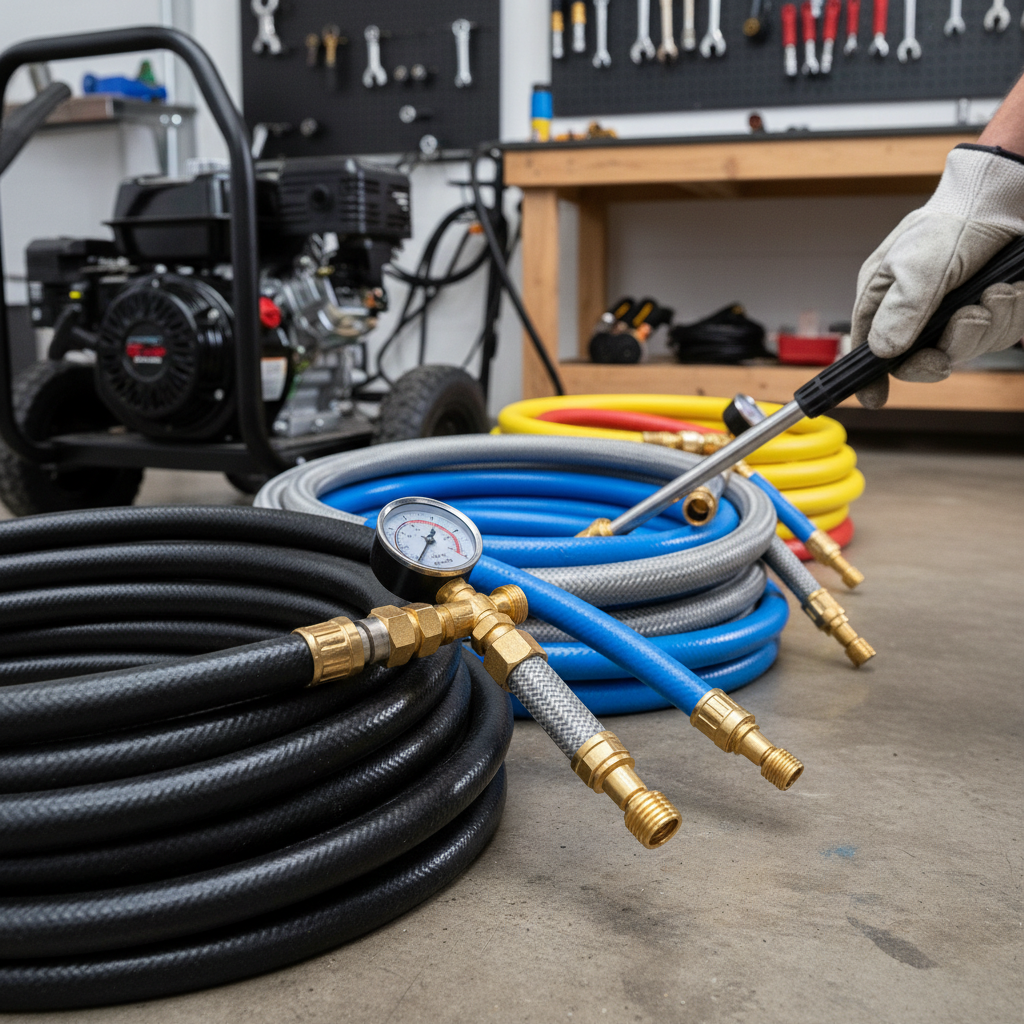
When selecting a power washer hose, one of the most critical factors to consider is coupling compatibility. Proper coupling ensures that your hose securely connects to the washer, preventing leaks and maximizing efficiency during operation. It’s essential to check the specifications of both your power washer and the hose to determine the type of couplings they require. Most hoses feature either quick connect or threaded fittings, and mismatching these can lead to frustration and potential damage.
Additionally, consider the diameter of the hose and the size of the fittings, as these dimensions play a significant role in compatibility. A hose that is too narrow may restrict water flow, resulting in decreased performance, while a hose that is too wide may not fit the washer properly. Checking for manufacturer recommendations can provide further guidance. Investing time in ensuring the correct coupling compatibility will facilitate a more efficient cleaning process, allowing you to tackle tough jobs with ease.
How to Choose the Right Power Washer Hose for Maximum Performance
| Hose Length |
Hose Diameter |
Material Type |
Coupling Type |
Max PSI |
| 25 ft |
1/4 inch |
PVC |
Quick Connect |
2600 PSI |
| 50 ft |
1/4 inch |
Rubber |
M22 |
4000 PSI |
| 100 ft |
3/8 inch |
Steel reinforced |
Quick Connect |
3200 PSI |
| 30 ft |
1/4 inch |
PVC |
M22 |
3000 PSI |
| 40 ft |
3/8 inch |
Rubber |
Quick Connect |
3500 PSI |
Evaluating Hose Diameter: How Size Affects Water Flow and Cleaning Efficiency
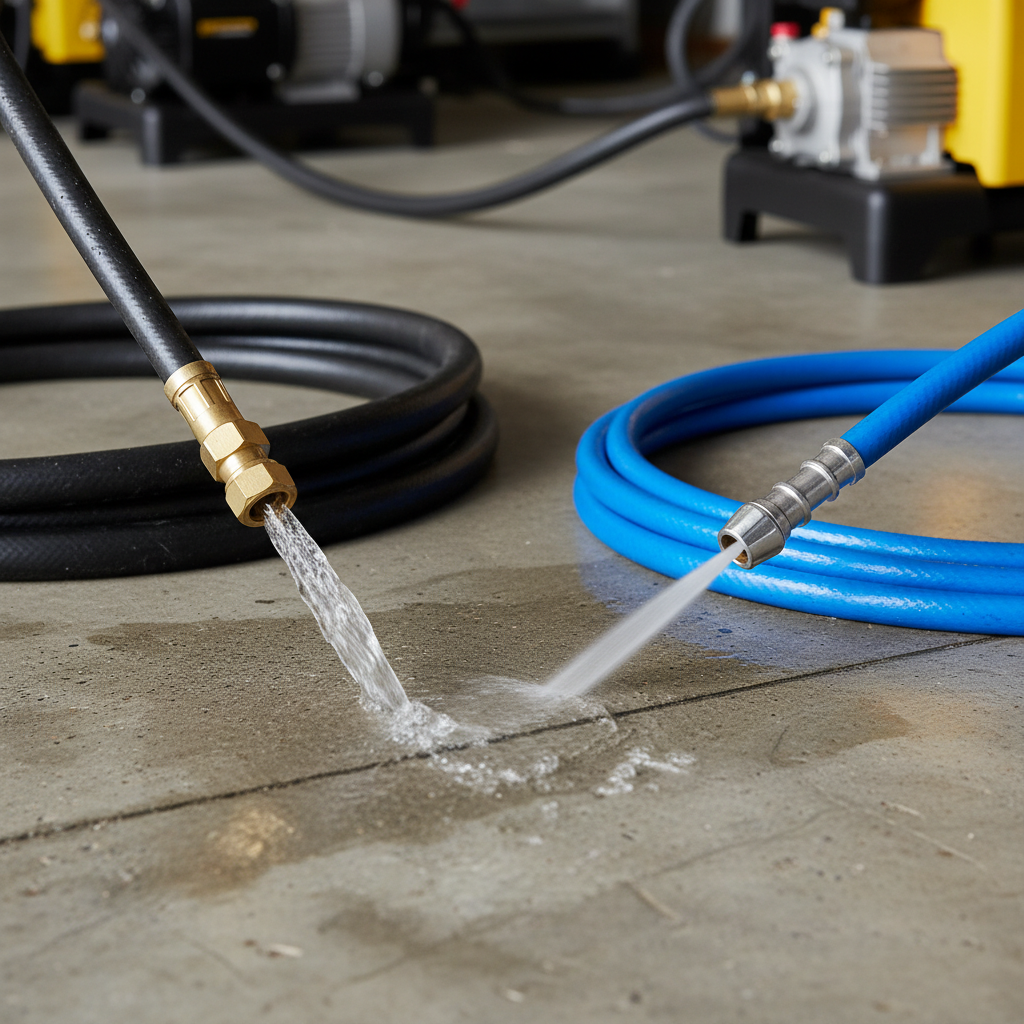
When selecting a power washer hose, one of the most critical factors to consider is the diameter of the hose. The size of the hose significantly affects water flow and, consequently, the cleaning efficiency of your power washer. A wider diameter hose allows more water to flow through, which increases the cleaning power and speed. For heavy-duty tasks requiring high pressure, such as stripping paint or removing tough stains from concrete, a larger diameter, typically 3/8 inch, is recommended. This ensures that the water flow remains consistent and effective, maximizing the performance of your power washer.
Conversely, a smaller diameter hose may be more suitable for lighter cleaning tasks, such as washing cars or outdoor furniture. A 1/4 inch hose can provide sufficient pressure for these applications while offering greater flexibility and ease of handling. However, it is essential to note that using a hose that is too small for your power washer's capacity can lead to diminished performance, increased wear on the machine, and potential overheating. Selecting the right hose diameter not only optimizes water flow but also ensures that the power washer operates efficiently for its intended use.