China Top Temperature Humidity Test Chamber for Global Buyers?
In recent years, the demand for high-quality Temperature Humidity Test Chambers has surged globally. Experts agree on their importance. Dr. Emily Zhang, a leading industrial engineer, states, “A reliable test chamber is crucial for precise environmental testing.” This highlights the significance of Temperature Humidity Test Chambers in various industries, including electronics, pharmaceuticals, and materials science.
China has emerged as a top contender in manufacturing these essential devices. The country offers advanced technology and competitive prices. Nevertheless, some buyers may find it challenging to select the right equipment. With numerous options available, understanding specifications and reliability is vital. The knowledge gap can lead to misinformation and poor investment decisions.
Investing in a Temperature Humidity Test Chamber should be done with caution. Buyers must evaluate manufacturers based on certifications and reviews. Conducting thorough research before making a purchase can help mitigate risks. China provides excellent quality, but not all suppliers deliver the same reliability. Thus, careful consideration is necessary when choosing the perfect model for your needs.
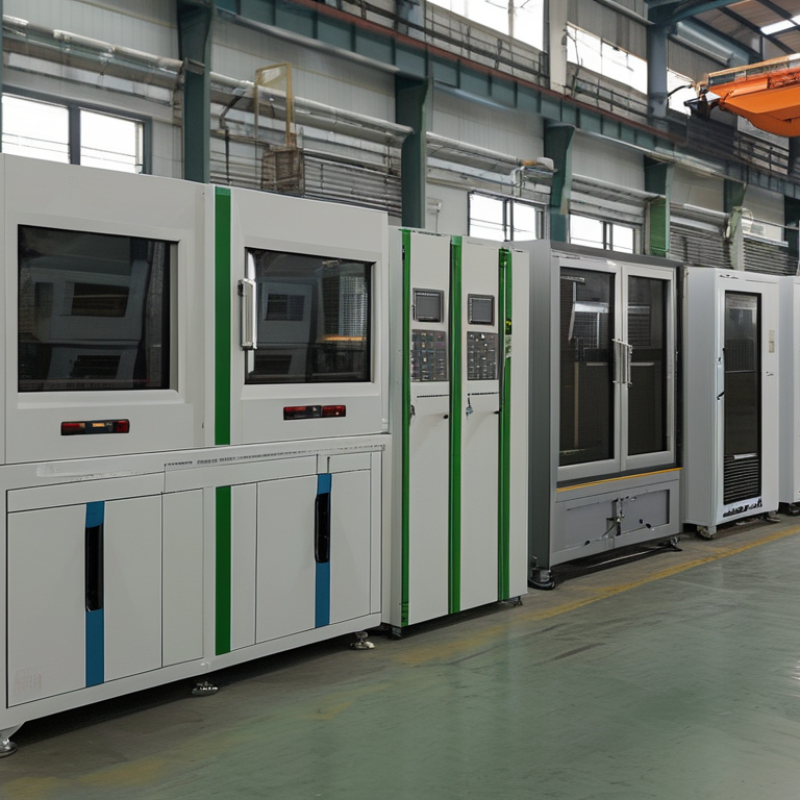
Understanding Temperature and Humidity Test Chambers in China
Temperature and humidity test chambers are essential for various industries. They assess how products perform under different environmental conditions. These chambers replicate extreme temperatures and humidity levels. The aim is to ensure product reliability and longevity. In China, several manufacturers produce advanced test chambers catering to global needs. However, buyers must analyze their intended use.
Understanding the specifications is crucial. Different test chambers serve unique purposes. Some are designed for accelerated testing, while others focus on long-term stability assessments. As competition among manufacturers increases, not all products meet high standards. This can lead to risks, especially if users are unaware of inconsistencies in performance.
Quality assurance should involve rigorous testing protocols. Many buyers may overlook the importance of user manuals and certifications. These documents offer insights into the chamber’s capabilities. Furthermore, it's essential to consider after-sales support and service. A good chamber is not just about initial performance; ongoing maintenance is key to preventing mishaps.
China Top Temperature Humidity Test Chamber for Global Buyers
| Model | Temperature Range (°C) | Humidity Range (%) | Volume (L) | Power Supply (V) | Weight (kg) |
| TH-100 | -20 to 150 | 20 to 98 | 100 | 220 | 150 |
| TH-200 | -40 to 150 | 10 to 95 | 200 | 220 | 200 |
| TH-300 | -30 to 120 | 20 to 99 | 300 | 380 | 250 |
| TH-400 | -10 to 130 | 30 to 98 | 400 | 220 | 300 |
| TH-500 | -25 to 150 | 20 to 95 | 500 | 380 | 350 |
Key Features of China's Leading Temperature and Humidity Test Chambers
China has emerged as a pivotal player in the global market for temperature and humidity test chambers. Leading manufacturers focus on advanced features that meet diverse testing needs. These chambers often provide precise control over environmental conditions, ensuring accuracy and reliability during testing. According to industry reports, about 70% of companies in sectors like pharmaceuticals and electronics prioritize such technology for R&D.
One of the key features is the temperature range and humidity control. Many systems can operate within -70°C to +150°C, with humidity levels adjustable from 10% to 98%. This level of versatility is essential for various applications, including stress tests and reliability assessments. While these specifications are impressive, inconsistencies in performance can arise. Quality assurance processes may sometimes be lacking, and not all products meet the expected standards.
User-friendliness is another critical aspect. Many test chambers now include digital interfaces and remote monitoring capabilities, improving accessibility and ease of use. However, relying solely on technology can be a double-edged sword. User training and competency are crucial, as misinterpretations can lead to flawed results. Ensuring that technicians fully understand the equipment is as important as the technology itself.
Key Features of China's Leading Temperature and Humidity Test Chambers
Applications of Test Chambers in Various Industries
Test chambers are essential tools in various industries. They help simulate environmental conditions that products might face during their lifecycle. Temperature and humidity chambers, in particular, are vital for conducting rigorous tests. They allow manufacturers to assess the durability and resilience of their products under extreme conditions.
In the electronics industry, these chambers test devices against heat and moisture. A failure can lead to significant losses. Industries like pharmaceuticals and food processing rely on these tests to ensure product integrity. From observing the stability of drugs to maintaining food safety, humidity test chambers play a critical role.
Despite their importance, not all companies effectively utilize these tools. Some lack the expertise to interpret test results properly. This can lead to misjudgments about product quality. Companies must invest time and training to understand the value of these chambers. Only then can they utilize them effectively for quality assurance.
Quality Standards and Certifications for Test Chambers in China
Quality standards for temperature and humidity test chambers in China are crucial for global buyers. These standards ensure that products can withstand various environmental conditions. In such test chambers, precise control of temperature and humidity levels is essential. Buyers must consider certifications like ISO and CE. These verify the reliability of the equipment used in testing.
China has a robust framework for these standards. However, inconsistency can arise among manufacturers. Some may not fully comply with testing protocols. This can lead to unreliable data and subpar performance of products. Buyers must assess the manufacturer’s commitment to quality and adherence to regulations. Regular audits and third-party inspections help improve accountability.
The journey can seem complex. Buyers often face challenges in identifying trustworthy manufacturers. Documentation and certifications may vary widely. For some, it’s a learning curve to understand which certifications are essential for their specific needs. Dialogue with manufacturers is paramount. Discussing quality control measures and product testing can yield valuable insights. In the end, the right choice in test chambers can significantly enhance product development and reliability.
Buying Considerations for Global Customers of Test Chambers
When considering a temperature and humidity test chamber, global buyers should think about several key factors. The size of the chamber matters. It should accommodate your specific testing needs while fitting your available space. A compact model may work for smaller labs, but larger operations might require a more extensive chamber.
Temperature range is another critical aspect. Ensure that the chamber can handle both high and low extremes suitable for your tests. Inconsistent performance can lead to faulty results. Additionally, pay attention to humidity control features. The chamber should maintain stable humidity levels during experiments. Fluctuations can affect data integrity.
Moreover, examine the technical specifications carefully. Look for digital control systems and user-friendly interfaces. A well-designed interface enhances usability and minimizes errors. Support for calibration and maintenance is crucial. You may face challenges if post-purchase support is insufficient. Evaluate warranties and customer service options. The purchase should come with reliable after-sales support.