
What Is the Best Type of Wheels for Your Vehicle?
Choosing the right wheels can change how your vehicle feels, performs, and looks. However, the best option is rarely the most expensive one. It depends on your vehicle’s weight, suspension, tire size, driving habits, and local road conditions. A lightweight alloy wheel may sharpen steering response. A durable steel wheel may better suit winter roads, work vehicles, or rough terrain. Every choice involves trade-offs.
Fitment must come before appearance. Drivers and experienced technicians should check diameter, width, bolt pattern, offset, center bore, and load rating. These details affect braking clearance, handling, tire wear, and overall safety. The vehicle manufacturer’s specifications provide a reliable starting point. A reputable wheel retailer can also verify compatibility before installation. Small errors matter.
Think about your daily route. Smooth highways place different demands on wheels than pothole-filled streets. A larger wheel may create a sportier appearance, but its shorter tire sidewall can transmit sharper impacts. That can become uncomfortable quickly. A smaller wheel with a taller tire may offer better ride comfort and protection. It is not always the exciting choice.
Material matters, too. Cast aluminum wheels are common and affordable. Forged wheels can reduce weight, but they often cost considerably more. Steel wheels remain practical and easy to repair in many situations. Still, no wheel is indestructible. Inspect for bends, cracks, corrosion, and loose fasteners regularly. I have seen appearance guide decisions too strongly. That is worth reconsidering.
This guide examines wheel types, materials, sizes, costs, and real-world use. It aims to help you choose confidently, without ignoring comfort, safety, or long-term value.
Understanding Wheel Types and Their Main Functions
What Is the Best Type of Wheels for Your Vehicle?
Understanding Wheel Types and Their Main Functions
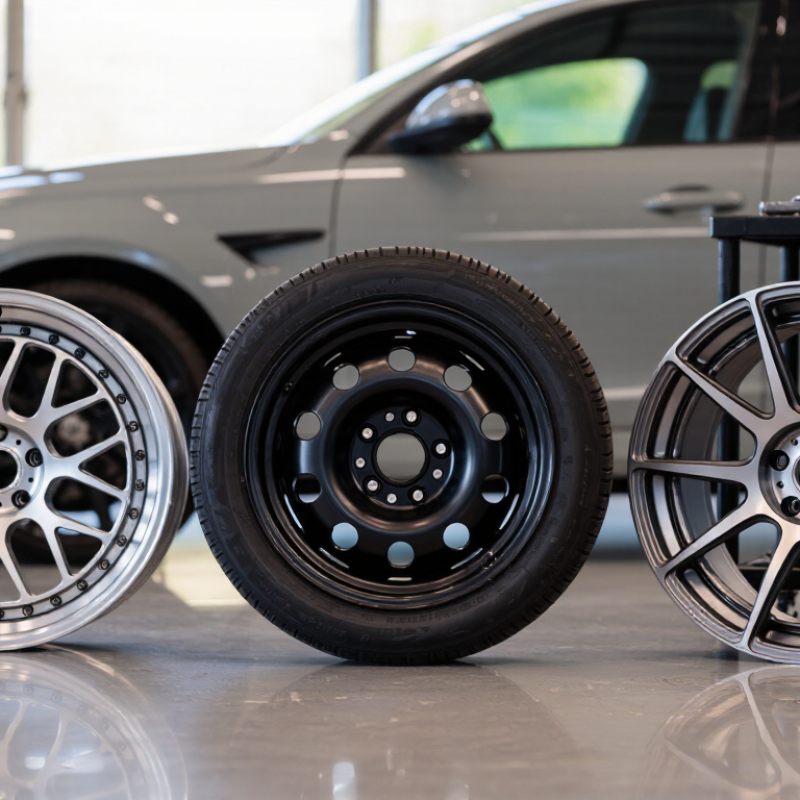
Wheels do more than hold tires. They carry vehicle weight, transfer braking force, and influence steering response. Steel wheels are strong, affordable, and easier to repair after a minor impact. They also weigh more, which can slightly reduce ride comfort and efficiency. Cast aluminum wheels are lighter and offer better heat management around the brakes. However, they may crack under a severe impact instead of bending. Forged wheels use compressed metal and usually provide excellent strength with lower weight. Their cost is often difficult to justify for everyday driving.
Wheel diameter also changes driving behavior. Larger wheels may sharpen steering response, but their shorter sidewalls transmit more road shocks. The 2024 Fuel Economy Guide from the U.S. Department of Energy and Environmental Protection Agency states that removing 100 pounds can improve fuel economy by about 1%. Wheel weight is only one factor, but it matters. A common workshop lesson is simple: bigger is not automatically better. I still think comfort is often underestimated.
Tips: Check the wheel’s load rating, bolt pattern, offset, and center bore before buying. Use the vehicle maker’s specifications as your baseline. The Tire and Rim Association Year Book provides professional fitment and dimensional standards. Avoid mixing unsuitable wheel sizes. After installation, inspect clearance near the brakes and suspension, then recheck lug torque after driving. A careful fit is more valuable than a dramatic appearance.
What Is the Best Type of Wheels for Your Vehicle? - Understanding Wheel Types and Their Main Functions
| Wheel Type | Typical Construction | Main Function | Key Advantages | Main Limitations | Best-Suited Uses |
|---|---|---|---|---|---|
| Pressed Steel Wheels | Steel sheets formed and welded into a wheel, commonly protected with paint or a coating. | Provide durable support for the tire and withstand regular road impacts. | Strong, cost-effective, widely repairable, and generally suitable for heavy loads. | Heavier than many alloy wheels; may corrode if protective coatings are damaged. | Daily driving, commercial vehicles, winter conditions, and utility applications. |
| Cast Aluminum Alloy Wheels | Molten aluminum alloy poured into a mold and then machined and finished. | Reduce unsprung mass while providing a balance of strength, appearance, and handling performance. | Lighter than many steel designs, available in varied shapes, and effective at dissipating heat. | Can crack under severe impact and may be more expensive to replace than steel wheels. | Passenger cars, crossovers, sport-oriented vehicles, and general road use. |
| Forged Aluminum Alloy Wheels | A solid aluminum billet is shaped under high pressure and heat, followed by machining and heat treatment. | Deliver a high strength-to-weight ratio for responsive handling and performance use. | Typically lighter and stronger than comparable cast designs when properly engineered. | Higher manufacturing and replacement cost; design and load ratings still determine suitability. | Performance vehicles, track use, premium applications, and weight-sensitive builds. |
| Multi-Piece Wheels | Separate rim sections are joined with fasteners or welded components, depending on the design. | Allow specialized control of wheel width, offset, and component configuration. | Flexible fitment options and the possibility of replacing individual sections on serviceable designs. | More complex maintenance, higher cost, and sealing or fastener issues may occur if improperly serviced. | Motorsport, specialist vehicles, custom fitments, and applications requiring precise dimensions. |
| Carbon-Fiber Composite Wheels | Carbon-fiber reinforcement embedded in a polymer matrix, often combined with metal components at mounting areas. | Minimize rotational and unsprung mass while maintaining high stiffness. | Very low weight, high stiffness, and potential improvements in steering response and ride control. | Very expensive, specialized to inspect, and potentially sensitive to hidden damage after severe impacts. | High-performance road cars, competition vehicles, and specialist weight-reduction projects. |
| Off-Road Beadlock Wheels | A mechanical beadlock ring clamps the tire bead to the wheel flange on designs intended for off-road use. | Help keep the tire bead seated during low-pressure off-road driving. | Useful for demanding terrain where reduced tire pressure can improve traction and flotation. | Heavier and more maintenance-intensive; road legality and installation requirements vary by jurisdiction. | Dedicated off-road vehicles and controlled trail use, subject to applicable regulations. |
| Aero-Designed Wheels | Wheels shaped with covers, fewer spokes, or smoother surfaces to reduce airflow disturbance. | Improve aerodynamic efficiency and, in some applications, reduce energy consumption. | Can lower aerodynamic drag while retaining the wheel’s basic structural and mounting functions. | May limit brake cooling airflow or make cleaning and access more difficult, depending on the design. | Electric vehicles, fuel-efficient cars, and vehicles designed for highway efficiency. |