What Are the Best Safety Padlocks for Your Needs?
Selecting the right Safety Padlock is crucial for securing your assets. In a world filled with potential threats, ensuring safety becomes paramount. A reliable safety padlock is a simple yet powerful tool for protection. It can safeguard everything from sheds to storage units.
Different needs require different safety padlocks. For instance, some require heavy-duty options, while others might look for portable choices. Evaluating the environment is essential. Extreme weather or high-security areas may call for specific features. Not every padlock meets every need. It's vital to consider durability and design, as they influence effectiveness.
In conclusion, choosing a safety padlock is more than a mere purchase. It involves understanding your specific requirements. A well-chosen padlock can offer peace of mind. Yet, if chosen carelessly, it may leave vulnerabilities. Taking the time to analyze your needs will help in making an informed decision. Every detail counts in the quest for safety and security.
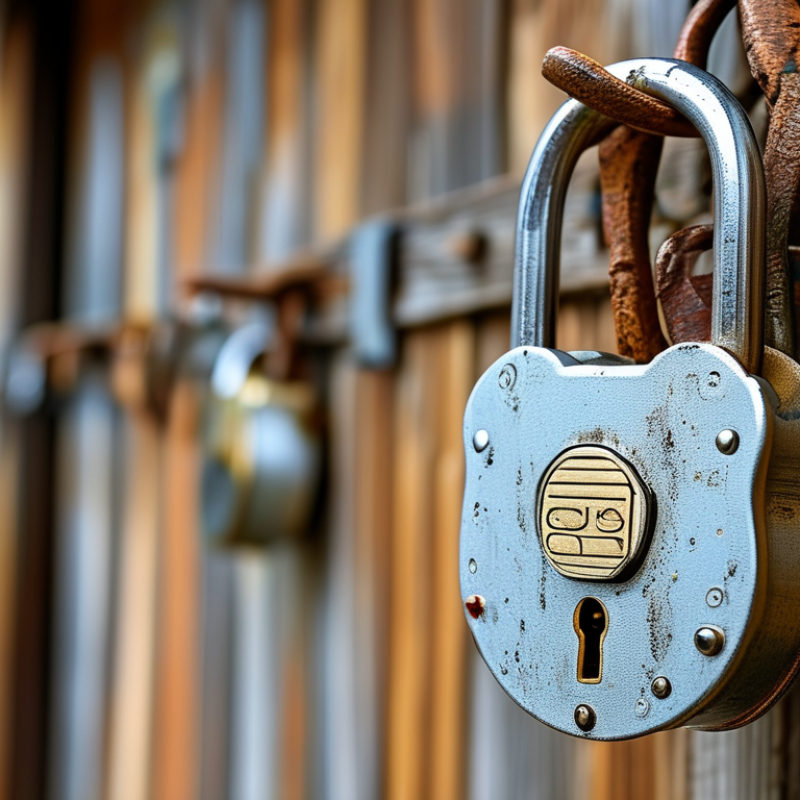
Understanding the Different Types of Safety Padlocks Available
Safety padlocks come in various types, each designed for specific security needs. When selecting the right padlock, consider the environment and potential threats. There are key-operated, combination, and smart padlocks. Key-operated padlocks are straightforward and reliable for everyday use. Combination padlocks offer a no-key solution, yet they can be tricky if you forget the code. Smart padlocks, meanwhile, combine technology with security but depend on battery life and connectivity.
Tips: Choose the type based on frequency of use. If you often lose keys, a combination lock might suit you better. Additionally, check the material. Some locks are made from hardened steel, making them more resistant to cutting.
Weatherproof locks are ideal for outdoor use. They are designed to withstand the elements, but even the best locks can wear down over time. Regularly inspect them for rust or damage. Replacing old locks can prevent security breaches. Always ask yourself: Is this lock providing the protection I need? Consider all options before making a decision.
Evaluating Materials and Durability for Safety Padlocks
When choosing safety padlocks, material and durability are critical factors. Different materials offer varying degrees of protection. Steel padlocks provide significant strength against cutting and prying. Meanwhile, weather-resistant options, often made from brass or coated alloys, excel in outdoor environments. These combinations impact both longevity and overall effectiveness.
Durability also hinges on construction quality. Some padlocks feature anti-drill plates, enhancing security. Others may have laminated designs that add layers of protection. However, not all padlocks are equal. Some may corrode under moist conditions, while others may fail under extreme temperatures. Regular inspection is essential to ensure ongoing effectiveness.
Thinking critically about your needs enhances your choice of padlocks. Consider your environment and how often you need access. Heavy-duty options might seem useful, but if changes are frequent, lighter options could work better. Testing various pads with your specific locks helps understand their real-life performance. This hands-on approach can prevent costly mistakes down the road.
Key Features to Look for in High-Security Padlocks
When searching for high-security padlocks, understanding key features is crucial. Security experts recommend evaluating lock mechanisms thoroughly. A sturdy padlock should have a hardened steel shackle. This material can resist cutting and sawing. According to a 2022 industry report, locks made from hardened steel show a 30% increase in resistance to forced entry.
An essential feature is the locking mechanism itself. Look for padlocks that utilize dials, keys, or combination systems. Each mechanism has its pros and cons. For instance, while keyed locks may be easier to operate, they can pose risks if keys are lost. A reliable padlock should also feature weatherproofing, especially for outdoor use.
Additional security features can enhance safety further. Many high-security options now come with anti-pick pins and double-locking mechanisms. A 2021 survey found that over 70% of professionals prefer double-locking systems for added assurance. Although these locks may be bulkier, their effectiveness against burglary is noteworthy. Opting for such features often leads to better long-term security.
How to Choose the Right Safety Padlock for Specific Environments
Choosing the right safety padlock is crucial for various environments. In industrial settings, padlocks must withstand harsh conditions. The material is vital; many experts recommend using steel for enhanced durability. According to industry reports, over 30% of safety incidents occur due to improper locking mechanisms. This statistic underlines the importance of selecting appropriate padlocks that can effectively prevent unauthorized access.
For electrical environments, non-conductive locks are essential. They minimize the risk of electric shock and enhance safety measures. A study found that 25% of electricians reported safety concerns linked to inadequate locks. Additionally, consider the locking mechanism. Different environments require different features, such as keyed or combination locks. The right choice can prevent accidents and ensure compliance with safety standards.
Organizations should routinely reassess their lock systems. The effectiveness of padlocks can diminish over time. Regular inspections can highlight potential weaknesses. While some may opt for cheaper options, investing in quality locks provides long-term security. Safety should never be compromised for cost, as the repercussions can be severe.
What Are the Best Safety Padlocks for Your Needs? - How to Choose the Right Safety Padlock for Specific Environments
| Padlock Type | Material | Shackle Diameter | Weather Resistance | Best Use Case |
| High-Security Padlock | Hardened Steel | 9/32 inch | Yes | Commercial Settings |
| Weatherproof Padlock | Brass | 1/4 inch | Yes | Outdoor Use |
| Combination Padlock | Steel | 3/8 inch | No | Personal Use |
| Rekeyable Padlock | Aluminum | 5/16 inch | Yes | Variable Access Control |
| Multi-Padlock System | Composite Material | 1/2 inch | Yes | Complex Facilities |
Maintenance Tips for Ensuring Longevity of Safety Padlocks
Maintaining safety padlocks is crucial for ensuring their longevity and effectiveness. Regular cleaning is essential. Dirt and grime can accumulate, leading to rust and mechanical failures. It is advisable to use a soft cloth and a mild detergent to gently wipe the exterior. According to the American Lock Manufacturers Association, 30% of padlock failures are due to neglect in maintenance.
Lubrication is another critical aspect. A well-lubricated lock operates smoothly and prevents wear. Industry experts recommend using a graphite-based lubricant rather than oil or grease. These can attract dirt, which causes jams. Performing this maintenance every six months is a best practice, especially for locks exposed to the elements.
Lastly, visual inspections can save time and headaches. Check for signs of corrosion, cracks, or other damage. A 2019 survey indicated that 20% of professionals reported issues from overlooked maintenance. A simple routine can extend the life of your padlocks significantly, ensuring they remain reliable and secure. Keeping a record of maintenance activities may be beneficial, even if it seems tedious. Each of these steps contributes to the overall reliability and functionality of safety padlocks.