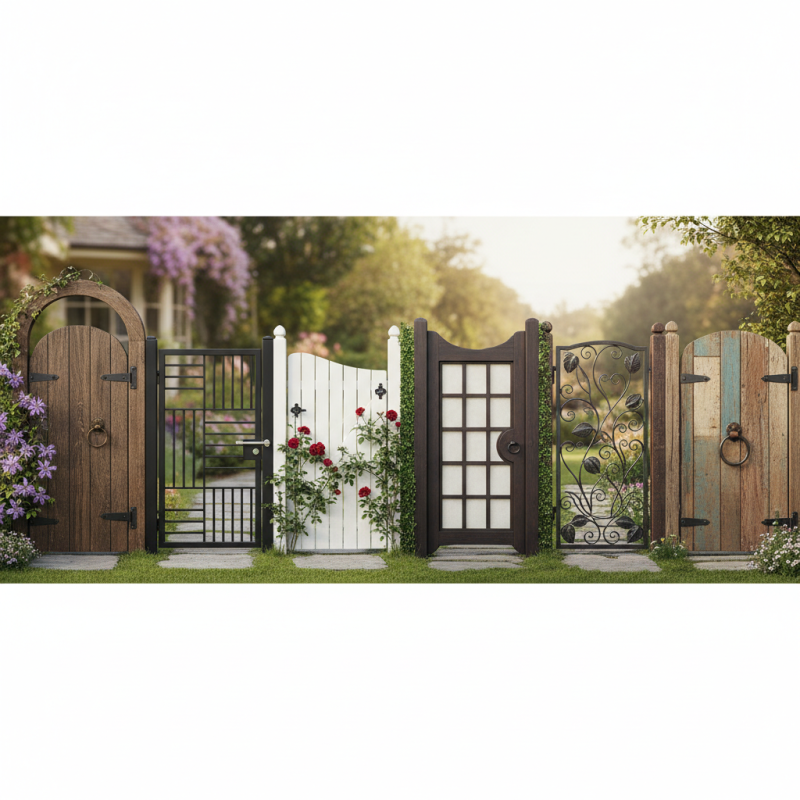
Best Single Garden Gate Designs for Your Home Project?
When enhancing the beauty of your home garden, a single garden gate can make a significant impact. These gates are both functional and stylish, offering a welcoming entry point. Many homeowners overlook the importance of this element, often choosing practicality over design.
A well-designed single garden gate can act as the perfect frame for your outdoor space. Materials range from sturdy wood to modern metal, each offering unique advantages. The choice greatly affects the overall aesthetic. However, it’s essential to consider the gate's durability and maintenance needs.
Choosing the right design demands careful thought. Reflect on your garden's style and your personal taste. A gate should complement your home without overwhelming it. Mistakes can happen: mismatched colors or sizes may detract from your garden's charm. Take your time to explore different styles and find the perfect single garden gate for your project.
Best Materials for Garden Gates: Durability and Aesthetics
Choosing the right materials for your garden gate is crucial. Different materials bring unique benefits and aesthetics. Wood is a classic choice, offering warmth and charm. It can be customized in various styles and finishes. However, it requires regular maintenance to prevent rot and weather damage.
Metal gates, such as wrought iron or aluminum, provide strength and security. They often require less upkeep compared to wood. However, some may find metal gates lack the same warmth as wood. While they can last long, they may rust if not treated properly.
Vinyl is another option that is gaining popularity. It mimics the look of wood without the maintenance. However, color options may be limited. Poor-quality vinyl can fade over time, which is a consideration. It's essential to weigh durability against aesthetic preferences when choosing materials. Each option has its pros and cons, so reflect on what fits your home's design best.
Popular Styles of Garden Gates: Choosing the Right Design for Your Home
When selecting a garden gate, design is crucial. It influences the first impression of your home. According to a recent study, well-designed gates can increase property appeal by 20%. Homeowners want aesthetics and functionality. Popular styles include classic wood, sleek metal, and rustic wrought iron. Each has its charm.
Tips for choosing the right style: consider your home’s architecture. A modern home often pairs well with minimalist gates. On the other hand, traditional houses benefit from ornate, decorative designs. A blend of materials can create a unique look. Balance is key.
Security should not be overlooked. A sturdy gate enhances safety. Reports indicate that properties with secure gates have a lower incidence of break-ins. Installing a gate with a good locking mechanism is wise. Reflect on how the gate complements your landscape. It should enhance, not detract.
| Design Style | Material | Features | Ideal for |
| Arched Garden Gate | Wood | Elegant, Soft curves | Traditional homes |
| Simple Wooden Gate | Wood | Rustic, Easy to install | Country homes |
| Wrought Iron Gate | Iron | Durable, Security focused | Modern homes |
| Picket Fence Gate | Wood | Classic, Child-friendly | Suburban areas |
| Sliding Garden Gate | Aluminum | Space-saving, Modern | Urban settings |
Dimensions and Regulations: Ensuring Compliance for Garden Gates
When planning your garden gate, compliance is essential. Many local building codes require specific dimensions and materials. For instance, a standard width for pedestrian garden gates is often around 36 inches. This size ensures easy access while remaining aesthetically pleasing. However, height regulations can vary. Some areas permit gates up to 6 feet tall, while others may restrict heights to 4 feet for visibility and safety.
Understanding local zoning laws is crucial. Violating these regulations can lead to fines or forced alterations. According to industry reports, nearly 30% of homeowners encounter issues when erecting new gates due to lack of awareness. It's vital to check whether permits are necessary, especially for larger or more elaborate designs.
Material choice also intertwines with regulations. Wood and metal gates require different maintenance, impacting longevity and compliance. For instance, untreated wood can rot, leading to structural issues. Professionals often advise using weather-resistant materials to extend life and meet community standards. Not ensuring compliance can result in losing both time and resources, making research imperative before initiating your garden gate project.
Cost Analysis: Budgeting for Your Garden Gate Project
When planning a garden gate project, understanding costs is crucial. The material you choose affects the budget significantly. Wooden gates can range from $100 to $500, depending on the type and finish. Metal gates often start at around $200 and can exceed $1,000 for intricate designs. Factors like installation, hardware, and ongoing maintenance must also be considered.
Labor costs are another essential component. Hiring a professional may add $100 to $300, but DIY installation can save money. Still, not everyone has the skills or time for this. Think about potential mistakes that could arise during installation. These missteps can lead to extra expenses and frustration.
Don't overlook additional features. Adding custom artwork or locking systems can further increase costs. Budgeting for unexpected expenses is wise. Always leave a cushion in your budget for surprises. This helps maintain your project's integrity without financial strain. A careful evaluation of your financial limits leads to a successful installation.
Cost Analysis for Garden Gate Designs
Maintenance Tips: Keeping Your Garden Gate in Excellent Condition
Maintaining your garden gate is crucial for its longevity and functionality. Regular inspections can help you catch minor issues before they become significant problems. According to a recent landscaping report, 70% of homeowners neglect routine maintenance on garden gates. This ultimately leads to unnecessary repairs. Keeping your gate clean is a simple yet effective way to start.
Tips for keeping your garden gate in excellent condition:
- Checking for rust or decay.
- Wooden gates may need sealing or painting every few years.
- Metal gates often require rust-proof paint to prevent corrosion.
- Pay attention to hinges and latches; lubricate them periodically to ensure smooth operation.
Even a small amount of neglect can lead to larger problems like misalignment or broken components.
Remember that the environment can affect your gate’s condition. Areas with high humidity can cause wood to swell and crack. In contrast, extreme heat can warp wooden materials. Regularly adjusting your maintenance routine based on local weather patterns can help prolong your gate’s life. Always be proactive rather than reactive. This way, you’ll maintain not just the gate but the aesthetic appeal of your home as well.