What are the Benefits of Using Polymeric Insulators?
The adoption of Polymeric Insulators in the electrical industry has been gaining traction. Recent studies indicate that polymeric insulators can reduce maintenance costs by up to 30%. Their lightweight design and exceptional resistance to environmental factors make them a preferred choice among utilities. According to Dr. James H. Collins, a leading expert in electrical engineering, "Polymeric insulators offer unparalleled advantages in terms of performance and longevity."
Polymeric insulators feature advanced materials that enhance their durability and reduce the risk of failure. Their design allows for efficient performance in various climates. However, there remains room for improvement regarding their long-term reliability. Industry reports suggest that while they outperform traditional ceramic insulators in many aspects, occasional degradation under extreme conditions needs to be addressed.
Despite these challenges, the benefits of polymeric insulators are significant. They contribute to improved grid reliability and lower overall costs. As the industry continues to evolve, focusing on enhancing the performance of polymeric insulators is crucial. These advancements will help maximize their potential in modern electrical infrastructure.
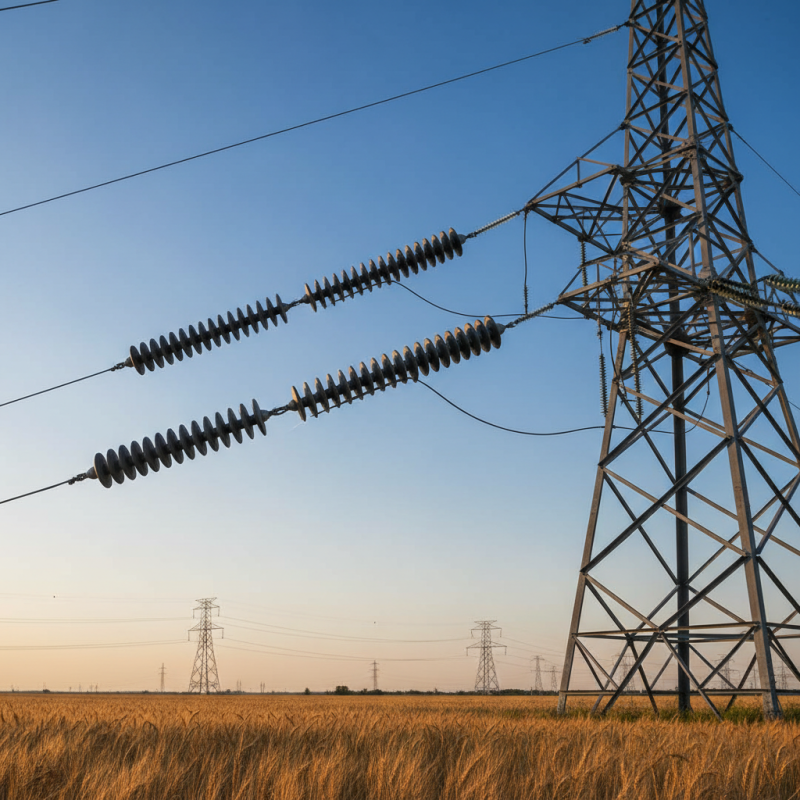
Types of Polymeric Insulators Used in Electrical Applications
Polymeric insulators have gained traction in electrical applications due to their unique properties. These insulators are primarily made from polymers, which provide advantages over traditional materials. There are several types of polymeric insulators commonly used in the industry, notably silicone rubber and ethylene propylene diene monomer (EPDM). Each type has distinct benefits suitable for various electrical environments.
Silicone rubber insulators exhibit excellent hydrophobic properties, making them ideal for wet and polluted conditions. According to a report from the International Electrotechnical Commission, silicone insulators can reduce flashover rates by up to 25% in contaminated environments. EPDM insulators, on the other hand, are known for their UV resistance and durability, making them suitable for outdoor applications. Their lifetime can extend beyond 30 years when properly maintained, which enhances their reliability.
However, the adoption of polymeric insulators does come with challenges. Their initial cost can be higher compared to ceramic insulators, creating a barrier for some utilities. Additionally, concerns exist regarding their long-term performance in extreme temperatures. Ongoing research aims to address these issues and improve the overall reliability of polymeric insulators. Balancing cost and performance remains a critical factor for industry stakeholders.
Benefits of Using Polymeric Insulators and Types Used in Electrical Applications
| Type of Polymeric Insulator | Material | Benefits | Applications |
| Suspension Insulators | Silicone Rubber | Lightweight, High Resistance to Pollution | Overhead Power Lines |
| Pin Insulators | Polymeric Composite | Durable, Excellent Mechanical Strength | Transmission Lines |
| Post Insulators | Epoxy Resin | High Voltage Endurance, Corrosion Resistant | Substations, Switchgear |
| Dead End Insulators | High-Strength Composites | Resistant to Mechanical Impact, Long Service Life | Transmission Towers |
| Crossarm Insulators | Polymer Materials | Flexibility, Low Maintenance Requirements | Distribution Lines |
Advantages of Polymeric Insulators Over Traditional Materials
Polymeric insulators represent a significant advancement in electrical insulation technology. Unlike traditional ceramic or glass insulators, polymeric insulators are lighter and less prone to breakage. This durability leads to cost savings in transportation and installation. With their inherent flexibility, they can withstand severe environmental conditions without degrading.
One key advantage is their resistance to pollution. Unlike ceramics, polymeric materials repel dirt and debris. This property reduces maintenance needs, especially in urban areas with high pollution levels. Moreover, polymeric insulators are more adaptable. They can fit various designs and specifications, which is not always possible with rigid traditional materials. This adaptability allows for innovative applications that traditional insulators might struggle to accommodate.
Polymeric insulators also offer enhanced electrical performance. They exhibit better dielectric properties, leading to reduced energy losses. However, it is important to note that they may require more careful handling during installation. Improper installation could lead to future performance issues. As technology evolves, ongoing research can explore potential drawbacks and further improve reliability.
Durability and Weather Resistance of Polymeric Insulators
Polymeric insulators are gaining popularity due to their superior durability and weather resistance. Unlike traditional ceramic or glass insulators, polymeric materials can withstand harsh environmental conditions. A recent study revealed that polymeric insulators can last up to 30 years, significantly outpacing their ceramic counterparts, which may only endure about 15-20 years in similar conditions.
Weather resistance is a critical factor. Polymeric insulators exhibit low moisture absorption. This characteristic prevents electrical failures often caused by surface tracking in wet conditions. Additionally, they can resist UV degradation and temperature fluctuations, making them suitable for diverse climates. Reports indicate that these insulators can operate effectively across a temperature range of -40°C to +90°C.
Despite these advantages, some challenges remain. The long-term performance of polymeric insulators under extreme temperatures is still under review. Users must regularly inspect these insulators for potential wear at joints or seams. Ensuring continuous reliability requires a proactive maintenance approach. Nevertheless, the benefits of polymeric insulators in durability and weather resistance are compelling for modern electrical infrastructure.
Economic Benefits of Using Polymeric Insulators in Power Systems
Polymeric insulators have become increasingly popular in power systems due to their notable economic benefits. These insulators offer lower installation and maintenance costs compared to traditional ceramic ones. According to a report from the Electric Power Research Institute, polymeric insulators can reduce maintenance costs by up to 30%. This reduction is particularly significant in areas with harsh environmental conditions, where traditional insulators often sustain damage and require frequent repairs.
Additionally, the lightweight nature of polymeric insulators allows for easier handling and installation, reducing labor costs. A study conducted by the International Energy Agency showed that using polymeric insulators can decrease installation time by approximately 20%. This efficiency can lead to a quicker project turnaround and improved resource allocation. Despite these advantages, some may question the long-term durability of polymeric materials. While early instances showed degradation under extreme UV exposure, advancements in material science have addressed these issues effectively.
Finally, the overall lifecycle cost of polymeric insulators presents a compelling case. They generally offer better resistance to pollution and moisture, which translates to fewer outages and service disruptions. A report from the International Council on Large Electric Systems revealed that well-maintained polymeric insulators can last over 30 years, providing long-term savings and reliability for power infrastructure. This combination of cost efficiency and performance makes polymeric insulators a valuable choice for modern power systems.
Benefits of Using Polymeric Insulators in Power Systems
Environmental Impact and Sustainability of Polymeric Insulators
Polymeric insulators are gaining traction due to their environmental benefits. Traditional insulators often involve materials that harm ecosystems. In contrast, polymeric insulators are designed to minimize environmental impact. They are lightweight, reducing energy consumption during transportation. Additionally, their durability means less frequent replacements, leading to less waste.
Consider using polymeric materials in new projects. They resist pollution, which is crucial in urban areas. Less maintenance means reduced use of chemicals for cleaning, further lowering ecological footprints.
Tips for sustainability: Choose materials that have a long lifespan. Assess the lifecycle of insulators to understand their overall impact. Engage with suppliers who prioritize environmental standards.
Polymeric insulators are a step forward, but challenges remain. They can be sensitive to UV radiation if not properly engineered. It's essential to select high-quality products to avoid premature failure. Balancing these considerations is vital for achieving true sustainability.