What is an AC EV Charger and How Does it Work?
The rise of electric vehicles (EVs) is transforming the automotive landscape. An essential part of this transition is the AC EV Charger. This charger enables electric cars to connect to the electrical grid for efficient charging. Understanding how it works can empower potential EV owners and users.
AC EV Chargers are commonly found in residential and public charging stations. They convert alternating current (AC) from the grid into a form that electric vehicles can use. This process seems straightforward, but various factors can affect charging speed and efficiency. Users might encounter different charger types with varying power levels, which can influence their driving experience.
While AC EV Chargers largely support the growing demand for sustainable transport, there are limitations. Slow charging times might not meet the needs of every user. Potential users should consider their driving habits and charging needs before investing in an AC EV Charger. A well-informed choice will determine the convenience and efficiency of their electric vehicle experience.
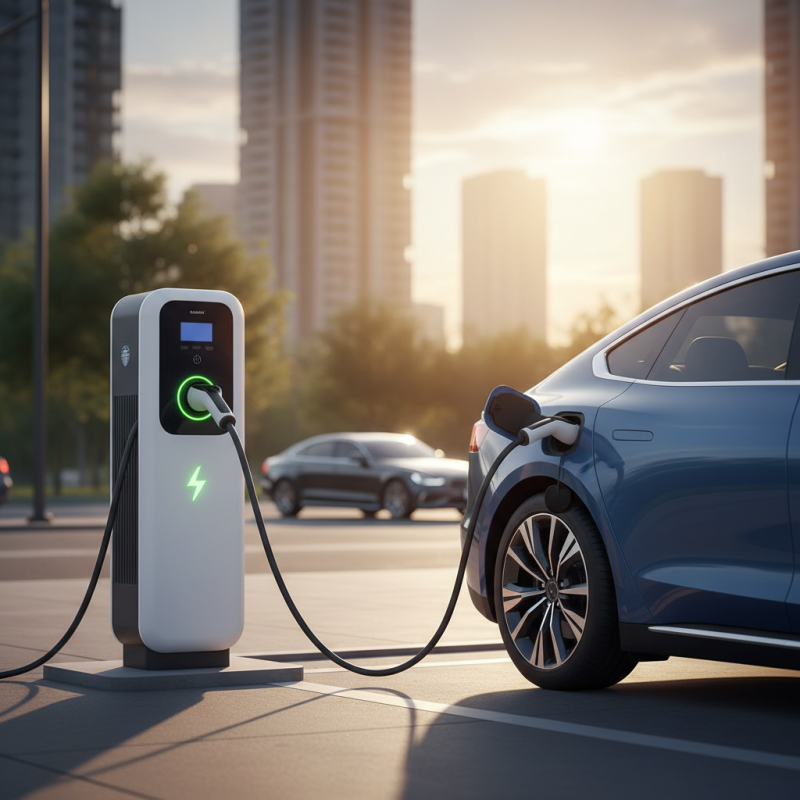
What is an AC EV Charger?
An AC EV charger, or alternating current electric vehicle charger, is a key component in the electric vehicle ecosystem. These chargers are designed to convert AC power from the electrical grid into a form that can be used to charge EV batteries. This process takes place through an onboard charger located within the vehicle. According to the International Energy Agency, the number of electric vehicles on the road reached approximately 10 million in 2020, highlighting the growing need for accessible charging infrastructure.
AC chargers are primarily used in residential and public charging stations. They are generally slower than DC fast chargers, typically delivering power at levels between 3.7 kW and 22 kW. While this is sufficient for overnight charging at home, it may not meet the needs of users seeking quick refueling options. A 2021 report from the U.S. Department of Energy indicated that approximately 70% of EV charging occurs at home, where AC chargers provide a reliable solution. However, challenges remain, such as the need for increased installation of charging points and standardization across networks.
The design and efficiency of AC chargers also have room for improvement. Many users report frustrations with slow charging times and varying charger compatibility issues. Standardizing connectors and improving charger technology could enhance user experience. It’s clear that while AC EV chargers serve a vital role in the transition to electric mobility, ongoing innovations and investments are necessary to meet the consumer expectations efficiently.
The Components of an AC EV Charger
An AC EV charger consists of several key components that work together to charge electric vehicles efficiently. The primary component is the charging station itself, which converts Alternating Current (AC) from the power grid into a format suitable for the car's battery. Typically, these chargers operate on a voltage range of 240V to 400V, delivering power levels from 3.7 kW to 22 kW, according to industry standards.
Additionally, the charging cable and connector play an essential role. They facilitate the transfer of electricity to the vehicle. Connectors must meet various safety standards and are designed to withstand the rigors of daily use. Safety mechanisms like residual current devices (RCD) are also integrated to prevent electric shocks and other hazards. Research indicates that improved safety designs have reduced charging-related incidents by over 30% in recent years.
Moreover, the communication between the charger and the vehicle is crucial for effective charging. This interaction ensures the battery is charged optimally, preventing overcharging. Some reports highlight that only about 85% of charging stations currently offer effective communication protocols. This gap suggests room for improvement, as better-informed charging practices can enhance battery lifespan and performance. As the market evolves, addressing these shortcomings will be vital for widespread AC EV charger adoption.
How an AC EV Charger Operates
An AC EV charger is a crucial component for electric vehicle users. It converts alternating current from the power grid to a format that vehicles can safely use. These chargers usually come with a standard plug that fits a variety of electric vehicle models. Users simply connect the charger to their vehicle and the power source. What happens next is a controlled transfer of electricity into the vehicle’s battery. This process is user-friendly and does not require advanced skills.
The operation of an AC EV charger typically involves several stages. Initially, the charger communicates with the vehicle to establish connection protocols. This ensures the right amount of energy is delivered, preventing overcharging. The user often sees an LED indicator showing the charging status. The entire process varies depending on the charger’s power rating and the vehicle’s battery size. For instance, faster chargers may provide more power, but not all vehicles can accept this higher rate.
While using an AC EV charger is generally straightforward, users must pay attention to compatibility. Some older electric vehicles may not work well with newer charging technology. Plus, the infrastructure for these chargers is still developing in many regions. Users often find themselves searching for available chargers or waiting in line. This experience highlights the need for improvements in charging station availability and technology. It's a part of the growing pains of the EV industry.
Benefits of Using AC EV Chargers
AC EV chargers are essential for electric vehicle (EV) users. They are designed to utilize alternating current to charge vehicles efficiently. According to a report by the International Energy Agency, the global stock of electric vehicles reached over 10 million in 2020. This figure underscores the growing need for reliable charging solutions.
One significant benefit of AC EV chargers is their widespread availability. Many public charging stations and home installations use AC technology. This makes it easier to charge your vehicle almost anywhere. Additionally, AC chargers are less costly to install compared to their DC counterparts, saving users money. Many industry experts also highlight that using AC chargers can prolong battery life due to their slower charging rate.
Tip: When choosing an AC EV charger, consider your daily driving habits. If you only need to charge overnight, a Level 2 AC charger will suffice.
However, not all locations offer AC charging options. In some regions, the infrastructure might not be fully developed. This can pose challenges for EV owners. Some users may need to plan their routes carefully to find charging stations.
Tip: Always check the availability of AC chargers in your area before heading out on a long trip.
Types of AC EV Chargers Available
AC EV chargers are essential for electric vehicle owners. They come in various types, catering to different needs and charging capabilities. Typically, these chargers are categorized based on their power output, with levels one, two, and even three in some discussions.
Level 1 chargers are the simplest. They use a standard 120-volt outlet, providing only 2-5 miles of range per hour of charging. This level is usually suited for overnight charging at home. However, it can be painfully slow for users who drive longer distances daily.
Level 2 chargers offer a significant upgrade, operating at 240 volts. They can charge an EV in 4-8 hours, providing about 10-60 miles of range per hour, depending on the vehicle's capacity. For many, this charger strikes a balance between speed and accessibility. Growing data indicates that approximately 80% of EV owners prefer Level 2 chargers at home. There are also public Level 2 chargers popping up, making them more convenient for urban drivers. However, compatibility issues still exist across various EV models, leaving users sometimes frustrated.
Understanding these different levels is crucial for selecting the right charger. Each type has its strengths and weaknesses. The industry is evolving, with improvements expected in charging speed and technology. Yet, the current landscape still presents gaps that need addressing.
What is an AC EV Charger and How Does it Work? - Types of AC EV Chargers Available
| Type of AC EV Charger | Charging Power (kW) | Typical Charging Time | Common Use Case |
| Level 1 Charger | 1.4 kW | 8-20 hours | Home Charging |
| Level 2 Charger | 3.7 - 22 kW | 2-8 hours | Public Charging, Home Charging |
| Smart AC Charger | 3.7 - 22 kW | 2-8 hours | Home Charging with Smart Features |