What Are the 2026 Top Power Washer Parts for Global Buyers?

What Are the 2026 Top Power Washer Parts for Global Buyers? This question now involves more than price, pressure, or appearance. Buyers must compare pump durability, nozzle accuracy, hose flexibility, seal quality, and replacement availability. Grand View Research reports steady expansion in the global pressure washer market through 2030. Fortune Business Insights also identifies commercial cleaning, infrastructure maintenance, and household renovation as important demand drivers. These trends directly influence power washer parts selection.

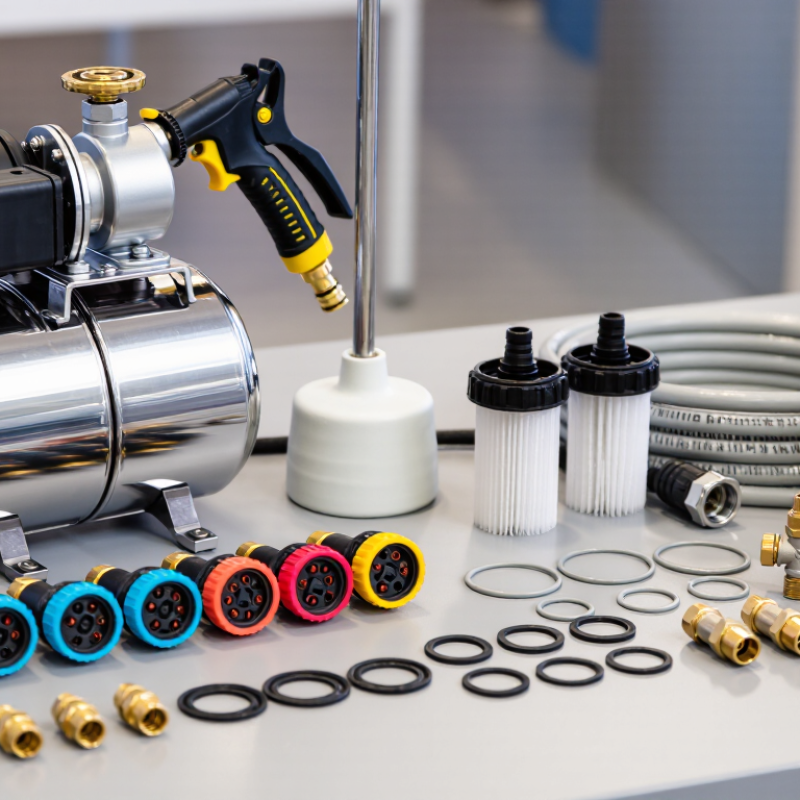
The most relevant components for 2026 include high-pressure pumps, turbo nozzles, trigger guns, inlet filters, unloader valves, O-rings, thermal relief valves, quick-connect couplers, and reinforced hoses. Buyers should verify thread standards, working pressure, temperature limits, material composition, and machine compatibility. Stainless steel can improve corrosion resistance. Ceramic plungers may support longer pump life. But specifications alone do not guarantee performance.

Hartmut Jenner, Chief Executive Officer of Kärcher, has emphasized, “Sustainability is not a trend, but a necessity.” That principle matters when selecting repairable power washer parts instead of replacing complete machines. It can reduce waste and improve maintenance planning. However, market rankings remain imperfect. Report methods differ, regional data can be incomplete, and “top” does not mean universally best.

This guide compares 2026 power washer parts through practical buying criteria, manufacturer evidence, field-service experience, and published market research. Global buyers should also review warranty terms, batch consistency, technical support, and delivery reliability. Small details matter. A cheap seal that fails early can damage a pump, interrupt work, and increase total ownership costs.

What Are the 2026 Top Power Washer Parts for Global Buyers?

Power Washer Parts: Types, Functions, and Global Market Basics

For global buyers, the most important power washer parts in 2026 are not always the newest ones. Pump assemblies, spray nozzles, high-pressure hoses, trigger guns, inlet filters, and sealing kits remain essential. These parts control pressure, water flow, cleaning reach, and leak prevention. A worn nozzle can reduce cleaning performance, even when the pump still sounds normal.

The pump creates pressure, while the unloader valve regulates pressure when the trigger closes. Hoses must match the washer’s pressure rating, connection type, and working temperature. Inlet filters stop grit from reaching the pump. Small seals and O-rings matter too. One damaged ring may cause steady dripping around a fitting. It is easy to overlook.

Global purchasing requires careful compatibility checks. Buyers should compare thread standards, hose lengths, flow rates, pressure limits, and electrical specifications for powered units. Stainless steel and reinforced materials often suit demanding environments, but cost and repair access still matter. Packaging should protect fittings from moisture and crushing during long transport.

From practical maintenance experience, replacing a filter early can prevent a much larger pump repair. Yet part selection is not always simple. Catalog measurements can be incomplete, and “universal” fittings may not fit securely. Reliable suppliers should provide drawings, material details, test information, and traceable quality records. Buyers should inspect samples before placing large orders. That step feels slow, but it can prevent expensive returns.

Key Parts Defining 2026 Power Washer Performance

What Are the 2026 Top Power Washer Parts for Global Buyers?

Key Parts Defining 2026 Power Washer Performance

Power washer performance depends on coordinated parts, not only motor strength. The pump remains central because it controls pressure, flow, and operating stability. Ceramic-coated plungers can reduce wear during frequent cleaning tasks. Seals and O-rings also matter, especially when water temperatures and chemical exposure vary. Poor sealing causes pressure loss and leaves visible leaks around connections.

A reliable unloader valve protects the pump when the trigger closes. The spray gun, hose, and quick-connect fittings must tolerate working pressure without uncomfortable stiffness. In practical inspections, I check threads, gasket seating, and hose flexibility before measuring output. Small defects often appear after several minutes, not immediately. This is where many purchasing decisions become too optimistic.

Tips: Match every replacement part with the machine’s pressure, flow rate, temperature range, and connection size. Ask suppliers for material details, dimensional drawings, inspection records, and sample testing. Filters deserve attention too. A clogged inlet screen can make a healthy pump seem defective. Replace worn seals in complete sets when possible, but avoid changing parts without identifying the original failure. That shortcut may save time today. It can create another leak tomorrow. Global buyers should also verify packaging protection, spare-part availability, and clear maintenance instructions before ordering large quantities.

How to Choose Parts for Different Washing Applications

What Are the 2026 Top Power Washer Parts for Global Buyers?

How to Choose Parts for Different Washing Applications

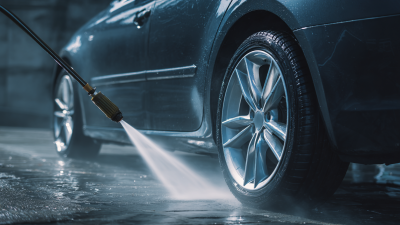
Choosing power washer parts starts with the job, not the catalog. Vehicle cleaning needs a wide fan nozzle, moderate pressure, and a hose that resists oil and abrasion. Stone, concrete, and old paint need harder impact, but excessive pressure can scar surfaces or force water into joints. Use a rotary nozzle only when the surface can tolerate concentrated spray. Test a hidden area.

For routine cleaning, match every part to both pressure and water flow. A nozzle with the wrong orifice can reduce performance, overload the pump, or leave uneven stripes. Select seals and connectors according to water temperature and chemical exposure. Brass or stainless components may suit demanding work, while reinforced polymer parts can reduce weight for mobile crews. Check thread type, inlet size, and maximum rated pressure before ordering. Measure twice.

For agricultural equipment, choose filters that handle sediment and hoses with flexible covers for rough ground. Food-contact cleaning requires components approved for that environment and the cleaning agents used on site. Never judge a replacement by appearance alone; internal seals, bypass settings, and flow limits matter. Reliable suppliers should provide test data, material details, and traceable specifications. Still, product sheets can miss real conditions. Cold water, hard water, and careless storage often change service life. A low-cost choice may look sensible, yet faster wear can expose the mistake.

What Are the 2026 Top Power Washer Parts for Global Buyers?

Typical working-pressure requirements by washing application

Choose replacement parts according to the application: lower-pressure vehicle cleaning commonly uses a 25° or 40° spray nozzle, while masonry and heavy equipment often require a 15° nozzle, a reinforced high-pressure hose, durable seals, and a larger inlet filter. Always match the pump, hose, gun, fittings, and nozzle to the washer’s rated pressure and flow, and select compatible metric or imperial connections for the destination market.

Global Standards, Compatibility, and Sourcing Requirements

What Are the 2026 Top Power Washer Parts for Global Buyers?

Global Standards, Compatibility, and Sourcing Requirements

In 2026, global buyers are prioritizing pumps, unloader valves, hoses, spray guns, nozzles, seals, and water inlet filters. These parts directly affect pressure stability, water control, and service life. A pump rated at 2,500 psi may fail when paired with the wrong flow rate. Check both pressure and liters per minute before ordering. Small mismatches create expensive returns.

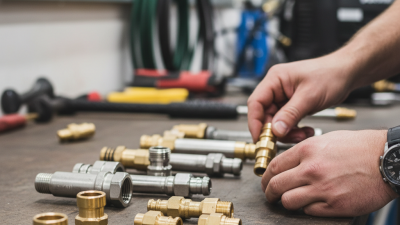
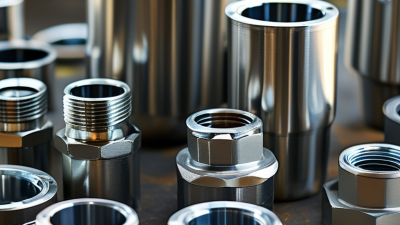
Compatibility requires more than matching product photographs. Buyers should confirm thread size, connection type, shaft dimensions, operating temperature, voltage, and material grade. Metric and imperial fittings can look almost identical. They are not interchangeable. For seals and hoses, chemical resistance and temperature ratings matter greatly. Field inspections often find damaged threads caused by forced assembly. That detail is easy to miss.

Reliable suppliers should provide drawings, batch numbers, inspection records, and clear replacement guidance. Test reports should identify pressure, flow, leakage, and endurance results. Quality systems aligned with recognized international standards can improve sourcing confidence, but certificates still need verification. Regional requirements may also cover electrical safety, materials, labeling, and environmental substances. Ask for current documentation. Old files prove little.

A practical sourcing plan includes sample testing, spare-part availability, packaging checks, and defined defect limits. Buyers should test parts with local water conditions and common detergents. The result may differ from laboratory data. That is worth remembering. A lower price can hide inconsistent rubber, weak springs, or poor plating. Careful comparison remains essential.

What Are the 2026 Top Power Washer Parts for Global Buyers? - Global Standards, Compatibility, and Sourcing Requirements

Part Category Typical 2026 Specification Key Compatibility Requirements Relevant Global Standards Recommended Materials Sourcing and Quality Requirements Buyer Verification Points
High-Pressure Pump Common portable range: 100–180 bar working pressure; 5–10 L/min flow; axial or triplex design. Pressure, flow rate, shaft configuration, mounting pattern, inlet/outlet ports, motor power, and thermal protection must match the washer. IEC 60335-2-79 for high-pressure cleaners; applicable electrical safety and machinery regulations in the destination market. Brass or anodized-aluminum pump head; stainless-steel valves; ceramic or hardened plungers for extended service life. Require pressure-flow test reports, leakage testing, dry-run resistance information, spare seal availability, and batch traceability. Confirm rated pressure is continuous working pressure rather than short-duration maximum pressure.
High-Pressure Hose Typical lengths: 5–15 m; working pressure commonly 150–250 bar; burst pressure should provide an appropriate safety margin. End fittings, thread type, seal profile, hose diameter, bend radius, and pressure rating must match the gun and pump outlet. ISO 7751 for hose pressure-ratio principles; applicable product and chemical-resistance requirements. Multi-layer thermoplastic or rubber construction with textile or wire reinforcement; abrasion-resistant outer cover. Require hydrostatic pressure testing, dimensional inspection, kink-resistance testing, and permanent pressure/production marking. Do not rely on nominal fitting size alone; verify actual thread form, pitch, gender, and sealing method.
Spray Gun and Trigger Assembly Working pressure typically 150–250 bar; flow capacity commonly 7–12 L/min; ergonomic insulated handle. Must match hose connection, lance connection, flow rate, pressure, and trigger safety-lock arrangement. IEC 60335-2-79; general mechanical safety and pressure-component requirements. Glass-filled engineering polymer body; stainless-steel or brass internal valve components; chemical-resistant seals. Require trigger-cycle testing, pressure leakage testing, grip-temperature evaluation, and spare seal or valve kits. Check whether the trigger is rated for the stated pressure under continuous cycling, not only static pressure.
Quick-Connect Couplings Common configurations include 1/4-inch quick-connect nozzle fittings and M22-based hose connections, but dimensions vary by design. Verify nominal size, thread pitch, plug/socket profile, locking mechanism, flow bore, and pressure rating. Applicable ISO 4414 safety principles for pneumatic and fluid-power interfaces where relevant; supplier dimensional drawings are essential. Nickel-plated brass or stainless steel with nitrile, EPDM, or fluorocarbon sealing elements according to chemical exposure. Require interchangeability samples, insertion-force testing, corrosion testing, and seal compatibility data. Never assume that two fittings labeled “1/4 inch” are interchangeable; compare the complete profile drawing.
Spray Nozzles and Nozzle Tips Common spray angles: 0°, 15°, 25°, 40°, and detergent patterns; orifice size must be selected for pump flow and pressure. Nozzle orifice, quick-connect profile, spray angle, operating pressure, and flow rate must match the pump output. Manufacturing dimensions should follow documented nozzle sizing and pressure-flow calibration practices. Ceramic, stainless steel, hardened brass, or wear-resistant polymer depending on pressure and chemical use. Require calibrated flow-angle testing, orifice inspection, color or identification coding, and consistent spray-pattern checks. A smaller angle concentrates impact; users must follow surface-distance and material-safety instructions.
Inlet Water Filter and Strainer Typical mesh range: approximately 40–100 mesh, selected to protect pump valves without excessively restricting inlet flow. Inlet thread, screen diameter, flow capacity, pressure loss, and housing dimensions must fit the pump inlet. Applicable drinking-water or material-contact rules may apply if the equipment is marketed for potable-water use. Stainless-steel mesh; polypropylene, nylon, or brass housing; EPDM or nitrile gasket as appropriate. Require flow-rate and pressure-drop data, mesh-size verification, cleanability testing, and replacement-screen availability. Confirm the filter does not become the main restriction when the water supply pressure is low.
Unloader or Pressure-Regulating Valve Must be selected for the pump’s flow and pressure range; bypass flow and adjustment range require controlled calibration. Port thread, valve orientation, spring range, bypass path, seal material, and compatibility with the pump head are critical. IEC 60335-2-79 and applicable pressure-system safety requirements. Brass or stainless-steel body; corrosion-resistant spring; chemical-compatible elastomer seals. Require set-pressure calibration reports, pressure-stability testing, bypass-temperature evaluation, and tamper-resistant adjustment options. Incorrect adjustment can cause pump overheating, unstable pressure, or component damage.
Seals, O-Rings, and Valve Kits Replacement kits should include identified seal positions, dimensions, hardness, and temperature or pressure limits. Match exact groove dimensions, cross-section, chemical exposure, lubrication method, and pump revision. ISO 3601 is commonly used for O-ring dimensional and quality references where applicable. Nitrile for general water and oil resistance; EPDM for water and detergent exposure; fluorocarbon for higher chemical and temperature resistance. Require material certificates, hardness reports, dimensional sampling, aging tests, and sealed moisture-controlled packaging. Material selection must be based on detergent chemistry and temperature, not color alone.
Electric Motor and Start Components Regional ratings commonly include 100–127 V or 220–240 V, at 50 or 60 Hz; power commonly ranges from about 1.5–3.0 kW for portable units. Voltage, frequency, phase, shaft size, mounting, rotation direction, capacitor, thermal protector, and duty cycle must match. IEC 60335-1; IEC 60034 series for rotating electrical machines; IEC 60529 for enclosure protection where applicable. Copper windings, corrosion-protected steel housing, sealed bearings, and insulation systems suitable for the rated temperature. Require insulation-resistance, dielectric-strength, no-load current, locked-rotor, noise, vibration, and thermal-rise testing. Electrical ratings must be specified for the destination market; a plug adapter does not convert voltage or frequency.
Power Cord, Plug, and Switch Cable cross-section, insulation, grounding, plug configuration, current rating, and ingress protection must suit the regional electrical system. Match motor current, voltage, frequency, plug standard, cable length, strain relief, switch rating, and residual-current protection requirements. IEC 60335-1; IEC 60884-1 for household plugs and socket-outlets where applicable; IEC 60529 for IP classifications. Flame-retardant, flexible cable jacket; corrosion-resistant terminals; sealed or protected switch housing. Require regional plug documentation, grounding continuity, leakage-current, flexing, pull, moisture, and switch endurance tests. Do not combine a high-current motor with an undersized extension cable or an unverified plug assembly.
Detergent Injector and Chemical Hose Low-pressure chemical injection is common; injector performance depends on nozzle size, water flow, chemical viscosity, and back pressure. Injector port size, metering control, pickup hose diameter, check valve, and detergent compatibility must match the system. Chemical compatibility and material-safety requirements of the detergent and destination market must be considered. Chemical-resistant polypropylene, nylon, EPDM, or fluorocarbon components selected according to detergent formulation. Require draw-rate testing with defined detergent viscosity, backflow prevention, metering repeatability, and safety data documentation. Test with the actual detergent concentration; clear water alone cannot verify chemical pickup performance.
Thermal Relief and Safety Valve The valve should protect the pump from excessive water temperature during bypass or trigger-release conditions. Opening temperature, pressure rating, port size, flow capacity, mounting location, and reset behavior must match the pump circuit. IEC 60335-2-79 and applicable pressure-relief safety requirements. Brass or stainless-steel body with temperature-resistant spring and elastomer components. Require opening-temperature calibration, pressure testing, corrosion evaluation, and clear installation instructions. Verify that the protection device is not blocked, bypassed, or replaced with an incorrectly rated component.
Global sourcing note: Compatibility should be confirmed using engineering drawings, measured dimensions, pressure-flow curves, electrical ratings, material declarations, and destination-market compliance documents. Thread names, voltage labels, and quick-connect descriptions alone are not sufficient for interchangeability.

Maintenance, Replacement Cycles, and Future Part Trends

What Are the 2026 Top Power Washer Parts for Global Buyers?

In regular field servicing, pump seals, inlet filters, nozzles, hoses, and unloader valves need the closest attention. A clogged filter can make a healthy pump sound strained. Hard water also accelerates scale around seals and fittings. Many operators replace nozzles every three to six months under frequent use. Hoses may last one year or longer, depending on abrasion, pressure, and storage. These intervals are practical estimates, not fixed rules. Some equipment survives longer. Some does not.

Tips: Check connections before every shift. Replace cracked O-rings immediately. Keep spare filters, seals, and nozzles in dry storage. Match thread size, pressure rating, and flow rate before ordering. A part that fits physically may still damage performance. That mistake is more common than expected.

For global buyers in 2026, repairable and modular parts should become more important. Buyers may prefer corrosion-resistant fittings, reinforced hoses, and longer-life ceramic or composite pump components. Simple wear indicators could also support better replacement planning. Digital service records may show when a part was installed and how often it worked. Still, technology will not solve poor maintenance. I have seen operators blame the pump after using a damaged nozzle for weeks. Clear technical drawings, tested materials, and accessible service instructions remain essential. Part standards may improve, but compatibility can still be confusing across markets.